China’s economic involvement in Africa is witnessing a notable resurgence, particularly in the realm of mineral investments. Last year, Chinese investment in African minerals surged by 114%, reflecting a strategic focus on resources crucial for global energy needs and China’s domestic economic priorities.
This surge in investment includes significant acquisitions, such as China’s MMG Ltd’s purchase of Botswana’s Khoemacau copper mine for $1.9 billion, alongside ventures into cobalt and lithium mines in several African countries.
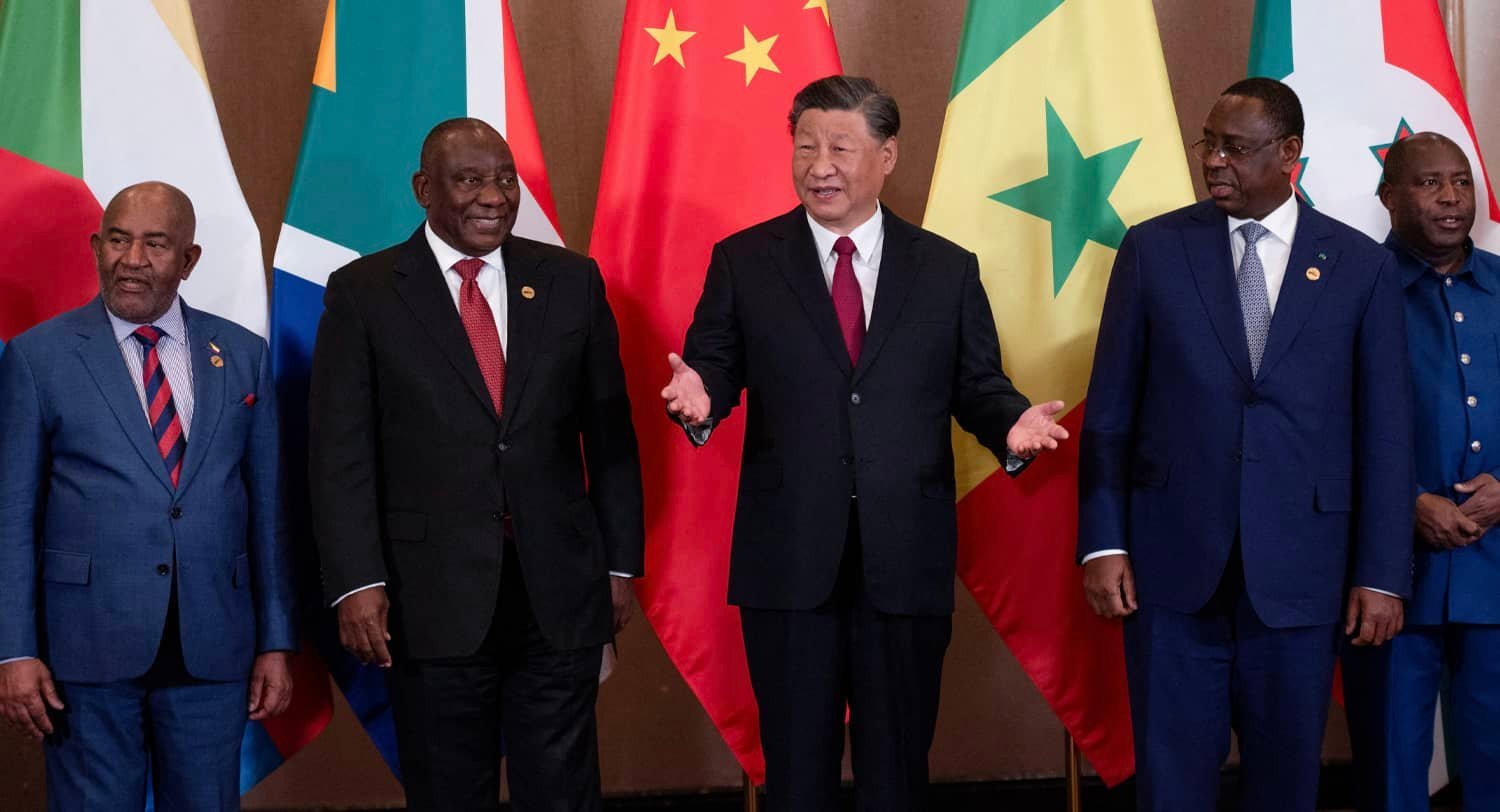
However, scrutiny accompanies this renewed engagement. Observers note that while Chinese leaders emphasize cooperation and mutual benefit, the predominant nature of the relationship remains extractive, sparking concerns in European public discourse and among policymakers.
Despite China’s ambitious rhetoric surrounding initiatives like the Belt and Road, the reality reveals a more nuanced dynamic. Chinese sovereign lending for African infrastructure has declined to its lowest level in two decades, while efforts to diversify African exports beyond minerals face challenges, contributing to a widening trade deficit.
Moreover, China’s promotion of public-private partnerships (PPPs) as a preferred investment model has yet to gain significant traction in Africa.
In response to criticisms, China’s foreign ministry emphasizes Africa’s autonomy in shaping its external relations and selecting partners. They argue that China’s support for Africa’s development path has gained acceptance among African nations.
As China deepens its investment in African minerals, the evolving nature of this relationship prompts questions about its long-term implications for both China and the African continent.
Photo source: Google
Montel Kamau
Serrari Financial Analyst
29th May, 2024