A Welcome Rally in a Time of Strain
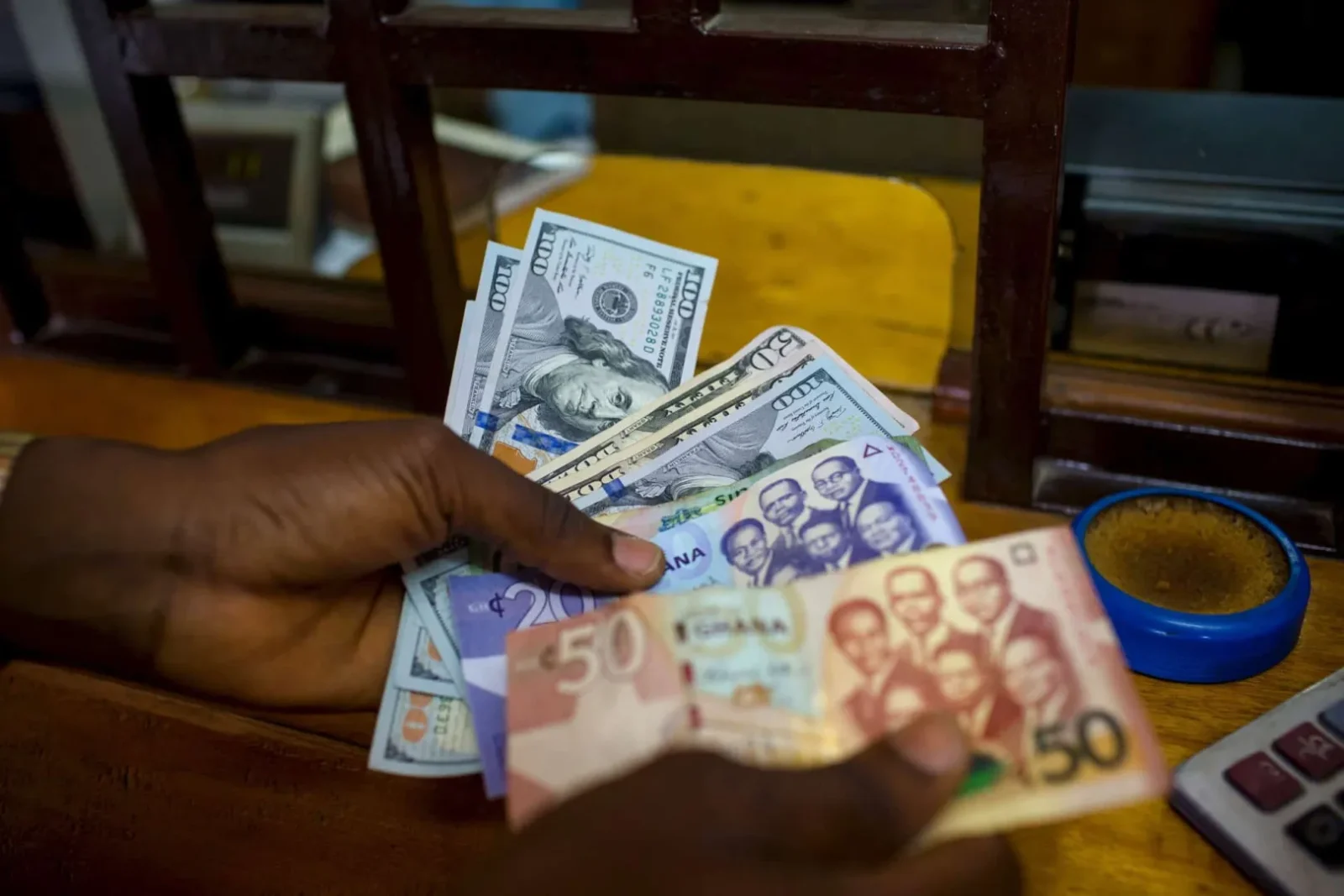
Ghana’s cedi has staged a remarkable comeback in 2025, gaining 42% against the U.S. dollar since January and trading near ₵10.20/$1 as of late May. This surge has surprised many investors and provided a critical lifeline to a country grappling with the aftermath of a sovereign debt default and deep economic contraction. By strengthening the local currency, Ghana has effectively shrunk the dollar cost of its roughly $35 billion external debt, creating much-needed fiscal breathing room for President John Mahama’s administration to redirect spending toward growth-enhancing projects (Reuters).
From Historic Lows to a 42% Rebound
Throughout late 2023 and 2024, the cedi tumbled to record lows—plunging past ₵15/$1—amid high inflation, dwindling FX reserves and plunging commodity revenues. The rapid depreciation inflated the country’s debt-servicing burden and eroded citizen purchasing power, pushing consumer inflation above 30% at its peak. Against this backdrop of hardship, the 2025 rally represents a dramatic reversal, restoring not only the cedi’s nominal value but also a measure of public confidence in Ghana’s economic recovery path (GBC Ghana).
Key Drivers: Gold, IMF Support and Tight Money
Analysts point to three primary catalysts behind the cedi’s meteoric ascent:
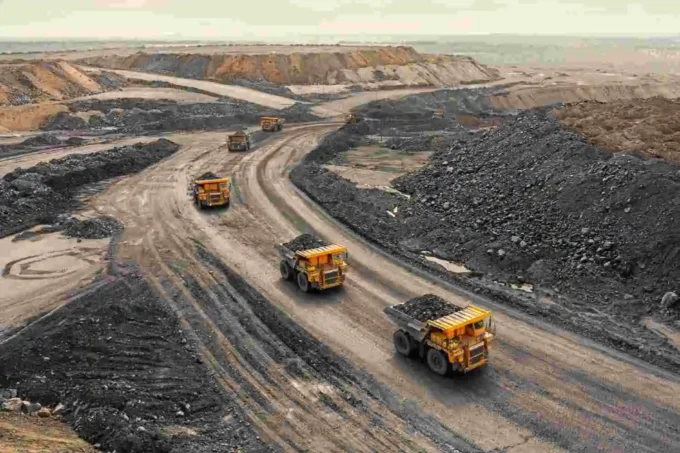
- Gold Windfall: As one of Africa’s top gold producers, Ghana has benefited from surging prices—28 all-time highs reached by April 2025—boosting FX inflows from mining exports. JPMorgan researchers note that the gold sector alone contributed a substantial 60% of Ghana’s export receipts in Q1 2025, providing a steady stream of dollars into local markets.
- IMF-Backed Programme: Ghana’s IMF Extended Credit Facility, agreed in late 2024, unlocked a $3 billion bailout contingent on strict fiscal targets and structural reforms. This programme has bolstered investor confidence by signaling official backing and offering periodic disbursements to support balance-of-payments needs.
- Restrictive Monetary Policy: The Bank of Ghana has steadily raised its policy rate—hiking by 500 basis points since December—to a 30% benchmark, curbing excess liquidity and incentivising foreign capital inflows into short-term T-bills and forex auctions.
Presidential Perspective: Debt Reduction in Action
At the African Development Bank annual meeting in Abidjan, President John Mahama announced that the cedi’s strength had already reduced Ghana’s foreign-currency debt by nearly ₵150 billion over the past five months. He projected that, if maintained, the current trajectory would allow Ghana to hit its target of a 55–58% debt-to-GDP ratio by year-end—well ahead of the original 2028 deadline
Fiscal Space: Redirecting Funds to Growth
With the cost of servicing external debt declining, Ghana’s government can now consider reallocating up to 15% of its previous debt-service outlays toward capital projects. Key areas poised to benefit include:
- Road and Railway Upgrades: Accelerated work on the Tema-Ho Railway and rural feeder roads to ease transportation bottlenecks.
- Healthcare Expansion: Further rollout of district-level Community-Based Health Planning and Services (CHPS) compounds to extend primary care.
- Power Sector Reforms: Investment in Renewable Energy Independent Power Producer (REIPP) programmes and grid stabilisation to reduce frequent outages.
Household Impact: Restoring Purchasing Power
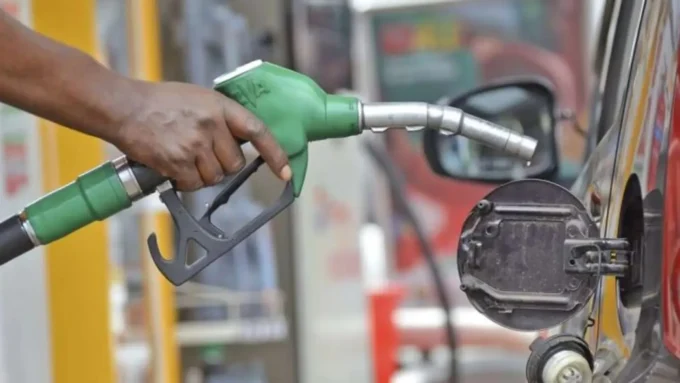
For Ghanaian consumers, the cedi’s recovery has provided a modest reprieve. The cost of imported staples—fuel, cooking gas and pharmaceuticals—has eased. In Accra’s Makola Market, traders report that prices of imported rice and sugar have fallen 10–15% compared to Q1 levels, offering relief to cash-strapped households. Remittance-dependent families have also benefited, as diaspora transfers now convert to more local currency, boosting rural and peri-urban spending power.
Corporate Confidence: Reviving Investment Plans
Local businesses, which delayed expansion amid currency volatility, are now revisiting plans for new factories, warehouses and retail outlets. The Ghana National Chamber of Commerce has recorded a 30% uptick in inquiries for industrial leases in Tema and Kumasi, attributing renewed interest to more predictable forex rates. Multinationals like Unilever Ghana and Dangote Cement have announced gradual restarts of planned capacity expansions that were paused in late 2024 (BusinessLIVE).
Central Bank’s Stance: No Reserve Depletion
Central Bank Governor Johnson Asiama, addressing the Ghana CEO Summit in Accra, emphasised that the cedi rally was not fuelled by depleting reserves. Instead, he credited cleaner FX auctions, tighter monetary settings and stronger remittance inflows—which have risen 12% year-on-year—for underpinning the currency’s health. Official reserves, he noted, have remained above the $8 billion threshold deemed adequate for 3 months of import cover.
The Role of Commodity Prices: Cocoa and Oil
Ghana’s second-largest foreign-exchange earner, cocoa, has seen mixed fortunes. Cocoa prices peaked near $12,000/tonne in early 2025 before retreating to $10,500/tonne in May—still above the five-year average. Though the sector contributed to early-year dollar inflows, recent price softness poses a potential headwind. Meanwhile, modest oil output growth from the Jubilee and TEN fields has maintained stable revenues, but looming maintenance shutdowns in Q3 could squeeze inflows unless new projects like Pecan come online in late 2025.
Cautionary Notes: Sustainability of Gains
Despite the euphoria, analysts caution that the rally may not be permanent:
- Commodity Volatility: A renewed slump in gold or cocoa prices could reverse the cedi’s gains, exposing Ghana’s FX position to renewed stress.
- IMF Disbursement Lags: Programme tranches hinge on meeting strict fiscal targets; any slippage could delay $500 million instalments and unsettle markets.
- Global Dollar Dynamics: Unexpected Fed rate hikes or a resurgence in U.S. inflation could strengthen the dollar broadly, pulling emerging-market currencies lower.
Broader Debt Strategy: Beyond Exchange-Rate Relief
While the cedi’s rebound provides immediate relief, Ghana’s debt strategy remains multi-pronged:
- Debt Restructuring: The ongoing bond exchange of commercial creditor claims has extended maturities by up to 10 years and reduced coupon rates by 200 basis points, under IMF-mandated terms. This exchange covers 97% of external public debt, excluding multilateral claims.
- Domestic Market Development: To reduce reliance on external financing, Ghana plans to deepen its domestic debt market—issuing ₵50 billion in long-tenor bonds in H2 2025 and promoting pension-fund participation.
- Fiscal Consolidation: Finance Minister Cassiel Ato Forson’s “shock therapy”—scrapping distortionary levies while broadening the VAT base—aims to bring the 2025 budget deficit down to 3.1% of GDP from 3.9% in 2024.
By coupling exchange-rate gains with structural reforms, Ghana hopes to lock in sustainable debt dynamics.
Regional Comparisons: Cedi vs. Peers
Ghana’s performance stands in stark contrast to many African and emerging-market currencies, the majority of which remain flat or down against the dollar. In 2025:
- Nigeria’s naira has weakened 5%, trading around ₦780/$1 amid persistent FX shortages.
- South Africa’s rand is up a modest 6%, buffeted by weak growth and ongoing electricity woes.
- Egypt’s pound is down 8%, following a larger IMF-mandated devaluation in 2024.
Outlook: From Crisis to Opportunity
Looking forward, Ghana faces a critical window to convert its currency windfall into long-term resilience:
- Attracting FDI: A stable exchange rate and clearer debt outlook could lure greenfield investments in manufacturing, agro-processing and technology.
- Expanding Exports: Competitiveness gains from a stronger cedi must be balanced against potential strain on exporters; strategic forex interventions may be needed to support non-traditional sectors.
- Inclusive Growth: Fiscal space opened by debt relief should prioritise job-creating initiatives—youth skills programmes, SMEs support and digitalisation drives—to ensure broad-based prosperity.
As Finance Minister Forson has emphasised, the priority now is “to look inward, boost domestic revenue, cut wasteful expenditure and introduce better accountability in governance.” By doing so, Ghana can transform a temporary currency rebound into a sustained economic turnaround.
Conclusion: A Turning Point for Ghana
Ghana’s cedi rally in 2025 represents more than a financial rebound—it is a symbol of recovery, a reflection of joint efforts by policymakers, multilateral partners and private-sector actors. If maintained, the 42% appreciation will deliver billions in fiscal relief, restore household purchasing power and catalyse new investment. Yet, with global headwinds looming, Ghana must use this window of opportunity to solidify reforms, diversify its economy and build buffers against future shocks. The cedi’s surge has eased the debt burden, but the real test lies in translating currency gains into inclusive, long-term growth for all Ghanaians.
Ready to take your career to the next level? Join our dynamic courses: ACCA, HESI A2, ATI TEAS 7 , HESI EXIT , NCLEX – RN and NCLEX – PN, Financial Literacy!🌟 Dive into a world of opportunities and empower yourself for success. Explore more at Serrari Ed and start your exciting journey today! ✨
photo source: Google
By: Montel Kamau
Serrari Financial Analyst
29th May, 2025