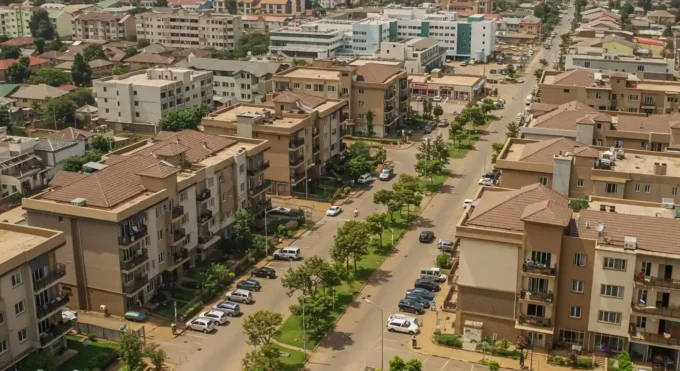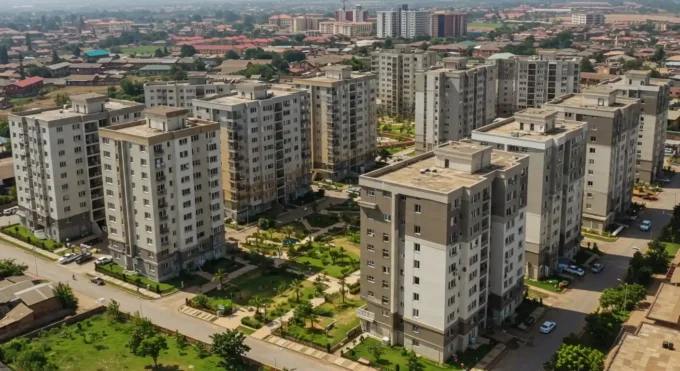

The ambitious journey to deliver quality, affordable shelter to Kenya’s rapidly expanding urban population scored a major victory recently as GulfCap Real Estate was honored with the coveted Affordable Housing Project of the Year Award for its transformative Buxton Point development in Mombasa. The prestigious recognition was conferred by the Kenya Professional Realtors Association (KPRA) during their 7th Real Estate Awards and Recognition Dinner held at the Trademark Hotel, Village Market in Nairobi, solidifying GulfCap’s position as a critical executor of the national housing agenda.
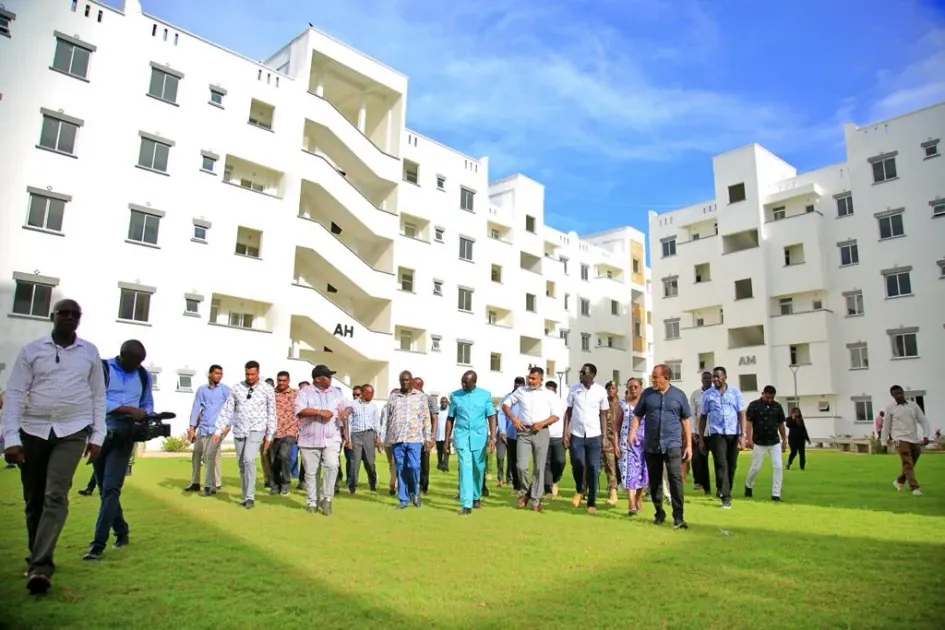
The Sh6 billion project, a massive undertaking in Kenya’s second-largest city, is significant not just for its scale but for its pioneering status. Buxton Point is the first affordable housing project of its kind to be delivered in Mombasa County, representing a successful model of Public-Private Partnership (PPP) where private sector efficiency met public sector land resources. The initial phase, Phase 1, saw the successful construction and delivery of 584 modern housing units. This milestone was crowned by the official handover of the units to their owners shortly before the award ceremony, marking a profound moment of transformation for hundreds of families and providing tangible evidence that the national goal of providing dignified housing is achievable.
Build the future you deserve. Get started with our top-tier Online courses: ACCA, HESI A2, ATI TEAS 7, HESI EXIT, NCLEX-RN, NCLEX-PN, and Financial Literacy. Let Serrari Ed guide your path to success. Enroll today.
The Significance of the KPRA Recognition
The KPRA awards are highly regarded within the Kenyan property sector, recognizing excellence across development, agency, and finance. Winning the Affordable Housing category, in particular, carries significant weight, signaling that Buxton Point meets stringent criteria for quality, timely delivery, and genuine affordability. The project emerged victorious amidst intense competition from numerous developers vying for projects under the government’s flagship Big Four Agenda, which prioritizes the delivery of 500,000 affordable housing units across the country.
GulfCap Real Estate General Manager, Benard Ojwaya, upon receiving the award, underscored the company’s commitment: “This prestigious recognition affirms GulfCap’s unwavering commitment to developing quality homes, sustainable communities, and meaningful socio-economic opportunities for families across Kenya.” His comments highlight the dual mandate of the project—not merely building structures, but building integrated, sustainable communities.
The achievement, Ojwaya noted, reflects the collective dedication of a wide array of stakeholders, including development teams, financial partners, contractors, and, critically, the homeowners themselves who bought into the company’s vision of reshaping Kenya’s housing landscape.
Urban Renewal and Economic Impact
Buxton Point’s impact extends far beyond the housing units themselves. The project is a textbook example of urban renewal, transforming a site previously occupied by dilapidated and aging public housing structures into a vibrant, modern, and planned community. This transformation has immediate socio-economic benefits:
- Job Creation: The construction phase of the Sh6 billion investment created thousands of direct and indirect jobs, providing employment opportunities for local artisans, laborers, and service providers in Mombasa, delivering a much-needed boost to the county’s economic activity.
- Improved Living Conditions: The new homes offer superior standards of safety, sanitation, and design compared to the former structures, directly contributing to improved living conditions and public health outcomes for residents.
- Economic Multiplier Effect: A project of this scale has a substantial economic multiplier effect, driving demand for local materials such as cement, steel, and fittings, thereby supporting allied manufacturing and supply chain sectors across Kenya. Data from the Kenya National Bureau of Statistics (KNBS) often links such large-scale construction activity to measurable GDP growth in the construction sector.
The project’s success serves as a critical template for other county governments seeking to implement similar renewal initiatives. Mombasa County, by partnering with GulfCap, demonstrated a feasible pathway for utilizing valuable public land to achieve social housing objectives without draining public coffers.
Phase 2: Building a Modern Urban Ecosystem
While Phase 1 focused on delivering the core housing units, Phase 2 of the Buxton Point project, currently ongoing and slated for completion next year, is dedicated to enhancing the area with comprehensive modern amenities. This ensures that the development is not just affordable, but truly a location for modern, integrated urban living. The planned additions include a swimming pool, basketball court, football pitch, extensive green spaces, and a dedicated kids’ playground.
These amenities are crucial for fostering the long-term community wellbeing that GulfCap champions. By prioritizing these communal and recreational spaces, the developer is deliberately addressing the quality-of-life aspects often overlooked in rapid, high-density housing developments. The integration of such facilities helps to create a genuine sense of community and provides safe, accessible recreational opportunities for families.
One decision can change your entire career. Take that step with our Online courses in ACCA, HESI A2, ATI TEAS 7, HESI EXIT, NCLEX-RN, NCLEX-PN, and Financial Literacy. Join Serrari Ed and start building your brighter future today.
GulfCap’s Expanding Vision and Portfolio
The success of Buxton Point is now fueling GulfCap’s expansion across the country, with the company aiming to replicate this successful model. General Manager Ojwaya specifically mentioned two other key projects that embody this vision: Starehe Point and LV Marina.
Starehe Point is likely positioned as a similar urban renewal project in the Nairobi metropolitan area, targeting the dense demand for affordable housing in the capital. Meanwhile, LV Marina, potentially situated near Lake Victoria (LV), suggests a strategic move to address the significant housing deficits in Kenya’s Western regions, such as Kisumu or Kisii, demonstrating a commitment to expanding access to quality housing beyond the traditional coastal and capital hubs.
Ojwaya stated that each project is “designed with the understanding that well-built, inclusive housing is the foundation of thriving cities and empowered communities,” reaffirming the company’s philosophy. The goal is clear: to maintain the same rigorous standards of quality and timely delivery as the company expands its portfolio across multiple counties, thus setting a new standard in urban development for the country.
Financing and Regulatory Context: Overcoming Hurdles
Delivering a project of Buxton Point’s magnitude and keeping it within the affordability bracket requires navigating a complex financial and regulatory landscape. Historically, affordable housing projects in Kenya have struggled due to several factors, including:
- High Cost of Land and Construction Materials: The rising cost of key inputs, such as cement and steel, often puts pressure on the final unit price, threatening affordability targets.
- Financing Gaps: Traditional commercial financing often proves expensive for mass housing projects. The success of Buxton Point likely relied on innovative financing structures, possibly engaging institutions like the Kenya Mortgage Refinance Company (KMRC), which was established to provide long-term, low-cost funding to primary mortgage lenders.
- Bureaucratic Delays: Expediting approvals for a Sh6 billion urban renewal project requires significant coordination between county government, national regulatory bodies, and environmental agencies. GulfCap’s ability to deliver Phase 1 on time suggests a successful navigation of these bureaucratic hurdles, a testament to effective PPP execution.
The ability to secure an award for the project confirms that GulfCap managed to balance the commercial imperative of the Sh6 billion investment with the social imperative of affordability. This is crucial for gaining the confidence of government agencies, financiers, and local communities, as acknowledged by GulfCap Real Estate CEO, Chris Ochieng’, who thanked all stakeholders for contributing to the milestone.
The Future of Affordable Housing in Kenya
Buxton Point stands as a beacon of possibility, demonstrating that high-quality, inclusive housing can be scaled and delivered by the private sector with strong governmental support. The project provides a crucial blueprint for overcoming the perennial challenges of land tenure, finance, and logistics that have plagued the realization of the Big Four housing pillar.
As the government continues to prioritize this sector, the focus will increasingly shift from conceptual planning to execution and delivery, where projects like Buxton Point will be held up as best-practice examples. The continued expansion of GulfCap’s portfolio, including projects like Starehe Point and LV Marina, signifies a critical mass of private capital now committed to this market segment.
The key to sustaining this momentum lies in standardizing the PPP framework, ensuring consistent regulatory support, and expanding access to affordable end-user finance through mechanisms like the Affordable Housing Fund and KMRC. For GulfCap, the Affordable Housing Project of the Year Award is not just an accolade; it is validation of their business model and a powerful marketing tool that reaffirms their position as a leader in the real estate and housing sector. The company’s continued commitment to setting new standards and building communities that inspire growth and opportunity suggests a future where high-quality, modern living is no longer an exclusive privilege but a tangible reality for hundreds of thousands of Kenyan families. The successful delivery of the Sh6 billion Buxton Point is a pivotal moment, shifting the narrative from ambition to achievement in Kenya’s critical housing sector.
Catch Up With Our Other Headlines
4th December, 2025
South Africa’s Economic Growth Moderates to 0.5% in Q3 2025 as Mining Sector Propels Recovery
Kenya’s November 2025 Inflation Eases to 4.5% as Transport Costs Surge Despite Stable Fuel Prices
Ready to take your career to the next level? Join our Online courses: ACCA, HESI A2, ATI TEAS 7 , HESI EXIT , NCLEX – RN and NCLEX – PN, Financial Literacy!🌟 Dive into a world of opportunities and empower yourself for success. Explore more at Serrari Ed and start your exciting journey today! ✨
Track GDP, Inflation and Central Bank rates for top African markets with Serrari’s comparator tool.
See today’s Treasury bonds and Money market funds movement across financial service providers in Kenya, using Serrari’s comparator tools.
Photo source: Google
By: Montel Kamau
Serrari Financial Analyst
4th December, 2025