
Kenya’s housing challenge is no longer defined solely by numbers. While the national housing deficit remains substantial, the conversation has evolved beyond simply delivering more units. Today, the real test lies in how those homes are designed, financed, priced, and sustained over time. Against this backdrop, Mi Vida Homes is emerging as a key player shaping the future of affordable and middle-income housing—one that treats sustainability not as a premium add-on, but as a foundational design principle.
Recent design-stage EDGE certifications awarded to two of Mi Vida’s developments—KEZA Riruta Phase 1A and Amaiya Garden City – Block C—offer more than just technical validation. They signal a broader shift in Kenya’s residential real estate sector: a move toward cost-efficient, environmentally responsible housing that aligns affordability with long-term value for homeowners, investors, and communities alike.
Sustainability as a Design Decision, Not a Marketing Label
In many housing developments, sustainability is often introduced late in the process, typically as a response to regulatory pressure or market positioning. Mi Vida’s approach diverges sharply from this norm. The EDGE Preliminary Certifications granted to KEZA Riruta Phase 1A and Amaiya Garden City – Block C confirm that efficiency considerations were embedded at the design stage, long before construction reached execution.
EDGE—short for Excellence in Design for Greater Efficiencies—assesses projected performance in three critical areas: energy consumption, water use, and embodied energy in construction materials. Achieving certification at this stage indicates that the projects are structurally aligned with resource-efficiency benchmarks and are on course for full certification upon completion.
For Mi Vida, this is not merely a compliance exercise. It reflects a deliberate strategy to lower lifetime ownership costs while minimizing environmental impact—an increasingly important equation in urban housing markets where utility expenses can quietly erode affordability.
Build the future you deserve. Get started with our top-tier Online courses: ACCA, HESI A2, ATI TEAS 7, HESI EXIT, NCLEX-RN, NCLEX-PN, and Financial Literacy. Let Serrari Ed guide your path to success. Enroll today.
KEZA Riruta Phase 1A: Redefining Entry-Level Urban Living
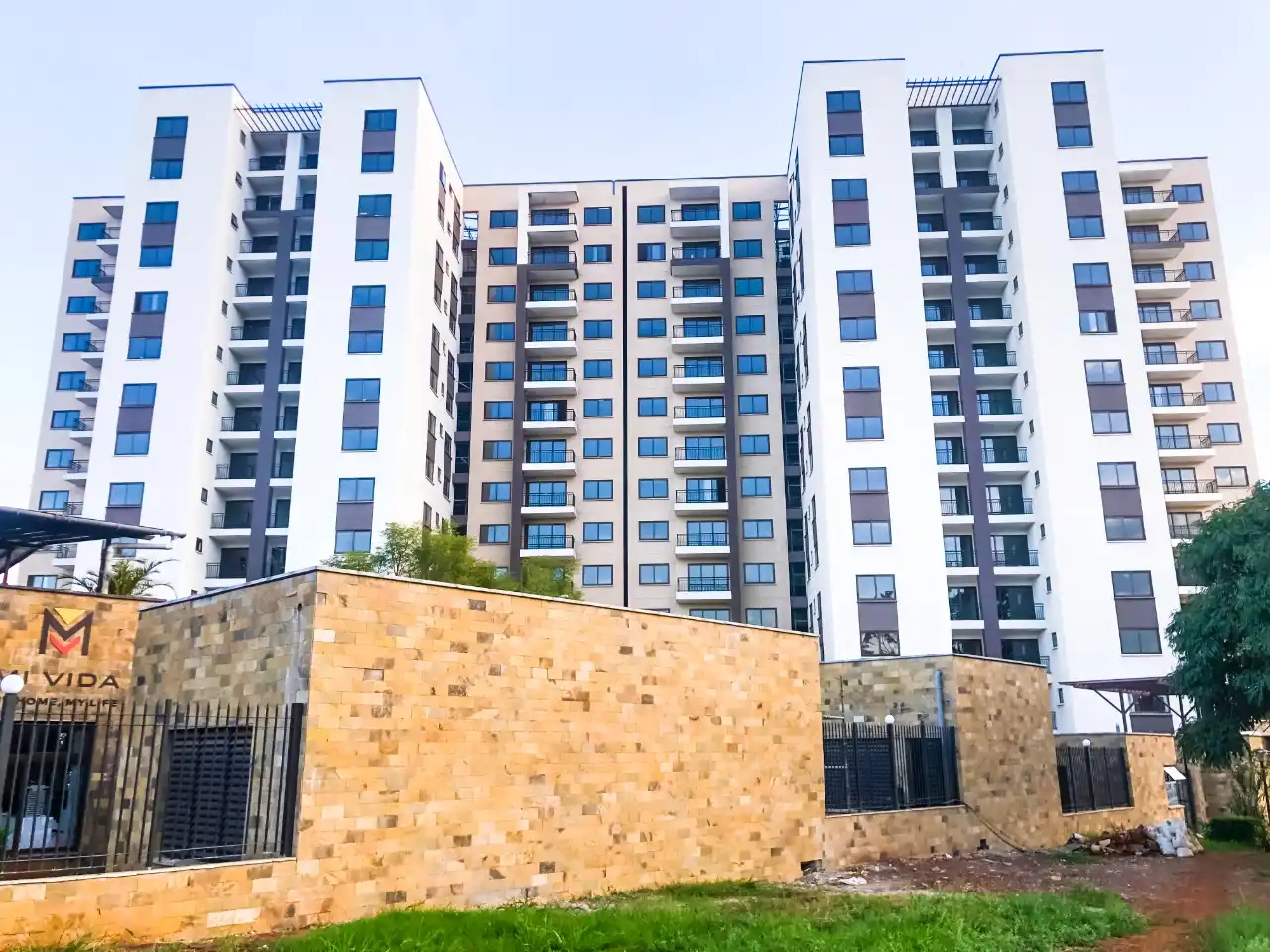
KEZA Riruta Phase 1A stands as a clear example of how thoughtful design can transform affordable housing outcomes. Targeted at first-time buyers, young professionals, and working families, the project was conceived to balance price sensitivity with functionality, accessibility, and long-term cost efficiency.
The design-stage EDGE certification confirms projected efficiencies that are substantial by any standard, 25 percent energy savings, 34 percent water savings, 30 percent reduction in embodied energy in materials
These figures are not abstract sustainability metrics. For homeowners, they translate into tangible monthly savings on electricity and water bills—costs that often rival mortgage repayments over time. In a market where affordability is frequently judged by purchase price alone, KEZA Riruta demonstrates that true affordability must consider the full lifecycle cost of living.
The development’s strong market performance underscores this point. Phase 1A was fully sold out ahead of handover, signaling robust demand for housing that aligns price, location, and operational efficiency. This uptake suggests that buyers are increasingly aware of the hidden costs of inefficient housing and are willing to prioritize developments that offer predictability and resilience in household expenses.
Amaiya Garden City – Block C: Sustainability at Scale
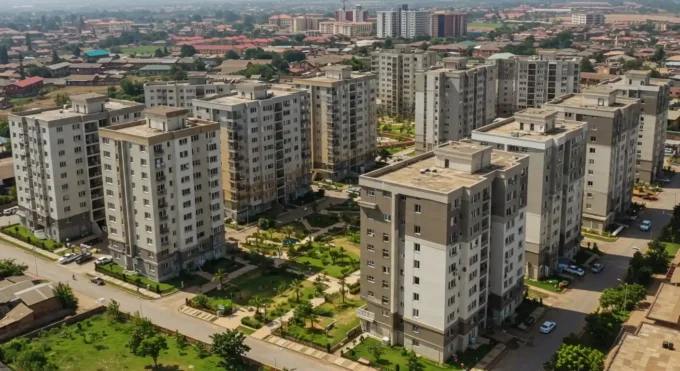
While KEZA Riruta illustrates efficiency at the entry level, Amaiya Garden City – Block C highlights how sustainability principles can be scaled within larger master-planned developments. As part of the second phase of the broader Garden City vision, Block C comprises 128 residential units designed to integrate seamlessly into an established urban ecosystem.
The EDGE Preliminary Certification for Amaiya Garden City – Block C confirms anticipated efficiencies that closely mirror those of KEZA Riruta, 26 percent energy savings, 27 percent water savings, 30 percent reduction in embodied carbon in materials
These projected outcomes are supported by a suite of integrated design features, including insulated roofing systems, energy-efficient lighting solutions, water-saving fixtures, and material-efficient structural systems. Individually, each element contributes incremental gains. Collectively, they significantly reduce operational emissions across the building’s lifecycle.
Importantly, these efficiencies are achieved without compromising unit density, layout flexibility, or market appeal. This demonstrates that sustainability does not require sacrificing scale or commercial viability—a critical insight for developers seeking to address housing shortages in rapidly urbanizing environments.
From Master Planning to Market Access
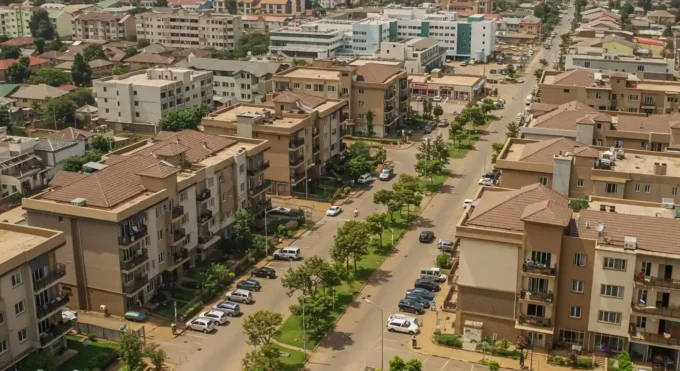
Mi Vida’s developments do not exist in isolation. They are part of a broader portfolio strategy aimed at addressing Kenya’s diverse housing needs across income segments. Completed and ongoing projects—including Mi Vida Garden City, Amaiya Garden City, 237 Garden City, and KEZA Laika in Ruaka—reflect a consistent emphasis on affordability, location connectivity, and design efficiency.
Pricing across the portfolio begins from approximately Ksh 2.9 million for studio units, with variations depending on size, configuration, and project typology. This pricing strategy positions Mi Vida squarely within reach of middle-income and emerging middle-class buyers—segments that are often underserved by conventional private-sector developers yet overstretched by informal housing alternatives.
By anchoring affordability within structured developments rather than isolated units, Mi Vida also addresses broader urban planning concerns. Integrated neighbourhoods with shared amenities, transport connectivity, and efficient infrastructure help reduce sprawl while improving quality of life.
Investor Confidence and Structured Capital
The success of affordable housing at scale depends not only on design and demand, but also on access to patient, structured capital. Mi Vida’s projects have attracted growing interest from institutional and impact-oriented investors—an indication that the company’s model resonates beyond the end-user market.
Developments such as KEZA Riruta and 237 Garden City have secured bulk off-take commitments and strategic partnerships, reducing sales risk while improving construction and financing efficiencies. These arrangements illustrate how institutional participation can support large-scale housing delivery without undermining affordability.
From an investment perspective, EDGE certification strengthens this value proposition. Resource-efficient buildings tend to exhibit lower operational risks, more predictable cash flows, and stronger long-term asset performance. For impact-focused investors, the environmental and social dimensions further align capital deployment with sustainability mandates.
One decision can change your entire career. Take that step with our Online courses in ACCA, HESI A2, ATI TEAS 7, HESI EXIT, NCLEX-RN, NCLEX-PN, and Financial Literacy. Join Serrari Ed and start building your brighter future today.
Aligning With Kenya’s Affordable Housing Agenda
Kenya’s national affordable housing agenda has placed renewed emphasis on increasing housing supply while integrating climate resilience into urban development. Mi Vida’s EDGE-certified projects align closely with this policy direction by embedding efficiency and sustainability at the project level rather than relying on post-construction interventions.
The preliminary certifications confirm that KEZA Riruta Phase 1A and Amaiya Garden City – Block C meet EDGE performance benchmarks at design stage and are on track for final certification upon completion. This forward alignment reduces the risk of costly retrofits while ensuring compliance with evolving environmental standards.
More importantly, it demonstrates how private developers can complement public policy objectives by delivering housing that narrows the national deficit without exacerbating resource strain or household vulnerability.
Sustainability as Long-Term Value Creation
At the core of Mi Vida’s strategy is a broader definition of value—one that extends beyond construction and sale. By embedding efficiency into building design from the outset, the company seeks to create enduring benefits for residents, investors, and surrounding communities.
Lower utility costs improve household financial stability. Reduced environmental impact supports national climate commitments. Enhanced building performance strengthens asset longevity. Together, these outcomes form a virtuous cycle in which affordability and sustainability reinforce each other rather than compete.
This philosophy is reflected in the company’s leadership perspective, which emphasizes that housing delivery is not merely about building units, but about shaping resilient urban environments that remain viable decades into the future.
A Market in Transition
The growing adoption of EDGE certification within Mi Vida’s portfolio reflects a wider transformation underway in Kenya’s real estate market. Buyers are becoming more discerning, investors more impact-conscious, and regulators more focused on long-term sustainability.
In this evolving landscape, developments that combine price accessibility with operational efficiency are likely to set the benchmark. Mi Vida’s expanding portfolio of EDGE-certified projects positions the company at the intersection of these trends, offering a model that balances commercial viability with social and environmental responsibility.
Conclusion: Practical Affordability Meets Sustainable Design
As Kenya accelerates housing delivery in response to urban growth and demographic pressure, the question is no longer whether affordable housing can be built—but how well it can be built. Mi Vida’s EDGE-certified developments offer a compelling answer.
By integrating sustainability at the design stage, targeting real market needs, and aligning with institutional capital and national policy goals, the company demonstrates that affordability, efficiency, and long-term value creation are not mutually exclusive. Instead, they form the foundation of a housing model capable of scaling responsibly.
KEZA Riruta Phase 1A and Amaiya Garden City – Block C are not just certified buildings. They are signals of a maturing market—one where homes are measured not only by their price tags, but by their performance, resilience, and contribution to a sustainable urban future.
photo source: Google
By: Elsie Njenga
20th January, 2026