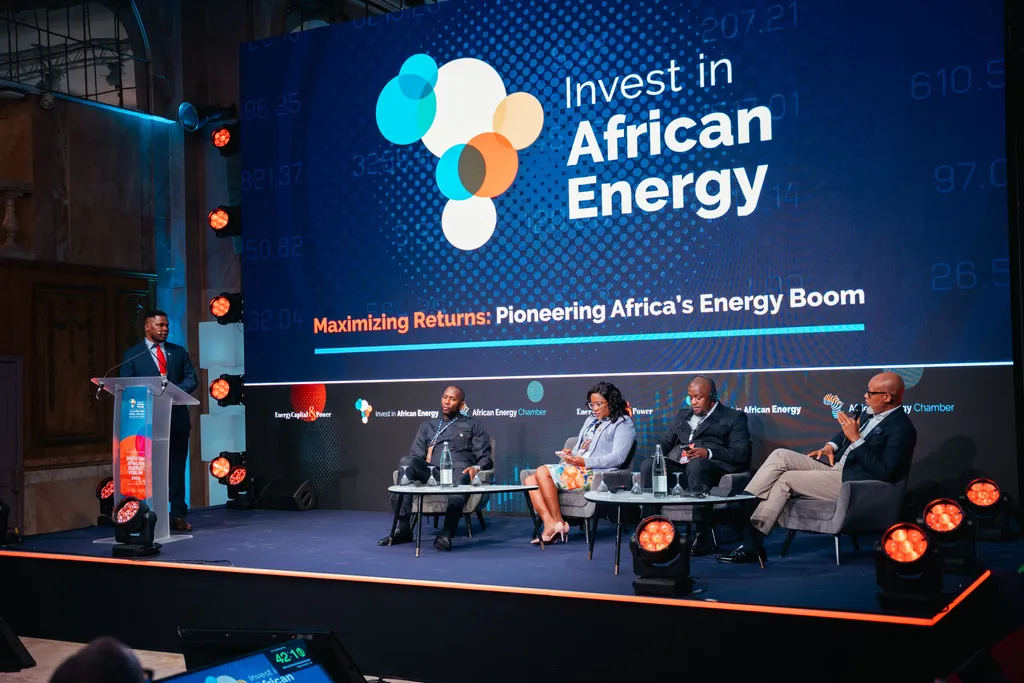
At the highly anticipated Invest in African Energy (IAE) 2025 forum, a distinguished high-level ministerial panel is set to convene, bringing together influential energy ministers from key African nations including Nigeria, Guinea-Bissau, the Democratic Republic of Congo (DRC), and Zimbabwe. The central focus of this crucial session will be to meticulously examine the significant capital requirements and the strategic partnerships that are urgently needed to bring Africa’s next generation of transformative energy projects to fruition.
Set against a complex backdrop characterized by rapidly evolving global energy dynamics and the intensifying global pressure to meet ambitious net-zero emissions targets, this pivotal session, aptly titled “Africa on the Global Energy Stage: Financing the Next Generation of Energy Projects,” will delve into the intricate ways in which African nations are strategically navigating increasingly complex investment landscapes. The overarching goal is to drive the sustainable development of the continent’s abundant hydrocarbon resources while simultaneously exploring and fostering investments in renewable energy sources. The session will be expertly moderated by NJ Ayuk, the Executive Chairman of the esteemed African Energy Chamber, ensuring a robust and insightful dialogue. The distinguished panel will feature Ekperikpe Ekpo, the Minister of State for Petroleum Resources (Gas) of Nigeria; Malam Sambu, the Minister of Energy of Guinea-Bissau; Wivine Moleka, the Deputy Minister of Hydrocarbons of the DRC; and July Moyo, the Minister of Energy & Power Development of Zimbabwe. Their collective expertise and diverse national perspectives promise a rich and informative discussion on the future of African energy investment. Understanding the current energy landscape in Africa is crucial to appreciating the context of this forum.
IAE 2025 stands as an exclusive and highly targeted forum meticulously designed to actively facilitate meaningful investment between the dynamic African energy markets and a diverse range of global investors. Taking place over two intensive days, May 13-14, 2025, in the vibrant city of Paris, the event offers delegates an unparalleled opportunity for intensive engagement with leading industry experts, seasoned project developers, influential investors, and key policymakers.
Nigeria: Spearheading the “Decade of Gas” and Attracting Major Investment
Nigeria, a nation endowed with the largest proven natural gas reserves on the entire African continent, is aggressively advancing its ambitious “Decade of Gas” agenda under a reform-oriented administration. This administration is strategically working to reposition Nigeria as a dominant global gas hub, recognizing the immense potential of its natural gas resources for both domestic consumption and international export. The government is prioritizing the critical development of essential gas infrastructure, actively pursuing market liberalization policies to create a more attractive investment environment, and implementing targeted policy incentives specifically designed to draw large-scale foreign direct investment into the burgeoning sector. These proactive efforts have already yielded significant capital commitments from prominent international energy players, including industry giants such as Shell, Chevron, and TotalEnergies. Furthermore, Nigeria is witnessing the active rollout of numerous new and strategically important Liquefied Natural Gas (LNG), Floating Liquefied Natural Gas (FLNG), and smaller-scale mini-LNG projects, signifying the tangible progress being made in realizing its gas ambitions. The global natural gas market dynamics play a significant role in Nigeria’s strategy.
Guinea-Bissau: Laying the Foundation for Frontier Exploration
In Guinea-Bissau, the energy sector is entering an exciting new phase characterized by increased exploration activities and frontier investment opportunities. As one of the continent’s least developed hydrocarbon markets, the country is diligently laying the crucial institutional and regulatory foundations necessary for sustainable future growth in the sector. A key emphasis is being placed on fostering strong public-private collaboration and promoting robust regional integration within the West African energy landscape. A significant milestone in this new chapter occurred last September when Guinea-Bissau spudded a deep offshore exploration well in close proximity to the significant Sangomar oil and gas discovery in neighboring Senegal. This bold move marks a critical step forward in the country’s efforts to unlock the considerable potential of its largely untapped offshore hydrocarbon resources. The success of exploration in neighboring countries like Senegal’s offshore discoveries provides an encouraging context.
Democratic Republic of Congo (DRC): Unlocking Underexplored Hydrocarbon Basins
The Democratic Republic of Congo (DRC), a vast and resource-rich nation, is actively pushing to unlock the considerable potential of its largely underexplored hydrocarbon basins. With a renewed and intensified focus on both exploration and development activities, the DRC is strategically pursuing licensing efforts to attract international investment and actively engaging with international partners to accelerate activity within its oil and gas sector. Simultaneously, the DRC government is keenly aware of the need to balance its ambitious economic development goals with critical environmental considerations, striving for a sustainable and responsible approach to resource development. The environmental concerns related to hydrocarbon exploration in the DRC are significant.
Zimbabwe: Prioritizing Energy Diversification and Regional Power Security
Zimbabwe continues to strategically prioritize energy diversification and the strengthening of regional power security within the Southern African Power Pool. In recent years, the country has undertaken concerted efforts to significantly expand its domestic power generation capacity through various initiatives, including fostering investment through independent power producers (IPPs) and establishing crucial infrastructure partnerships. As the Southern Africa region continues to grapple with persistent energy shortfalls and the need for reliable power supply, Zimbabwe is strategically positioning itself as a critical part of the regional solution, aiming to contribute meaningfully to energy security and stability across the Southern African Development Community (SADC) region. The challenges of energy security in Southern Africa highlight the importance of Zimbabwe’s efforts.
A Collaborative Dialogue for Africa’s Energy Future
Collectively, these leading African energy ministers are poised to engage in a forward-looking and crucial dialogue at IAE 2025. Their discussions will center on innovative partnership models that can effectively bridge the existing energy investment gap, the development and implementation of enabling policy frameworks that attract sustainable investment, and the critical capital flows needed to ensure that Africa’s ambitious energy projects not only successfully get off the ground but also deliver tangible and long-term value for both international investors and the local economies of the host nations. The focus will be on creating a win-win scenario that fosters sustainable development and energy access across the continent. The role of public-private partnerships in African energy will be a key aspect of the discussion.
Ready to take your career to the next level? Join our dynamic courses: ACCA, HESI A2, ATI TEAS 7 , HESI EXIT , NCLEX – RN and NCLEX – PN, Financial Literacy!🌟 Dive into a world of opportunities and empower yourself for success. Explore more at Serrari Ed and start your exciting journey today! ✨
Photo source: Google
By: Montel Kamau
Serrari Financial Analyst
14th May, 2025