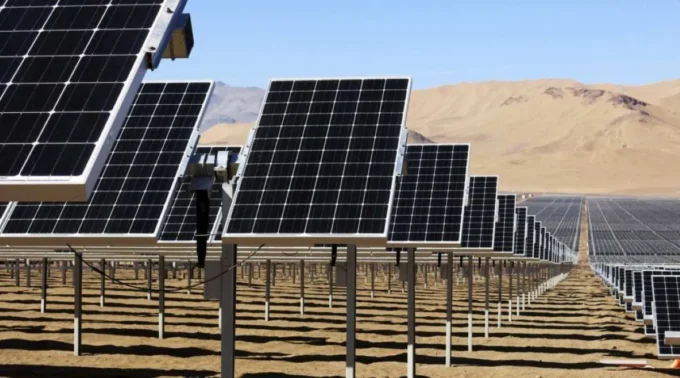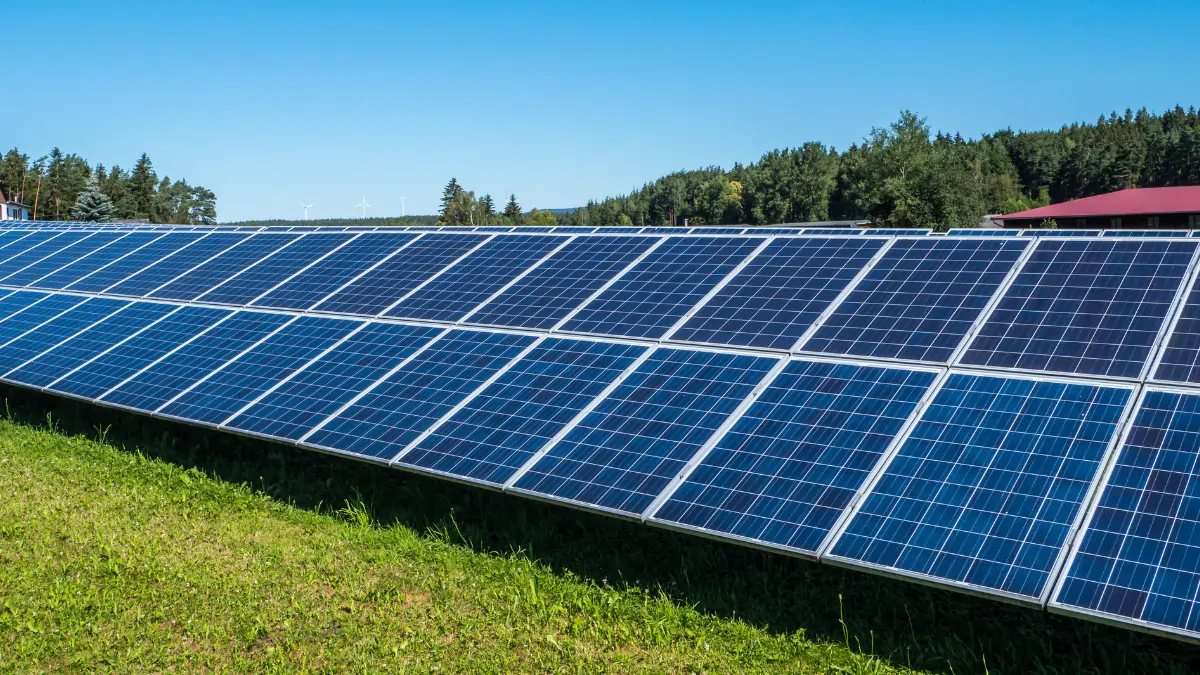
In a groundbreaking collaboration, the African Development Bank (AfDB) and PowerGen Renewable Energy have joined forces with prominent international investors to launch a scalable renewable energy platform in Africa. The initiative aims to deploy 120 megawatts (MW) of renewable power across underserved regions in Africa, integrating advanced battery energy storage solutions. This platform seeks to accelerate electrification efforts in areas where over 570 million people currently lack access to electricity, fostering sustainable development and economic growth.
Strategic Partnerships Driving Change
The project is backed by key international partners, including the Private Infrastructure Development Group (PIDG), the Danish Investment Fund for Developing Countries (IFU), EDFI Management Company through its EU-funded Electrification Financing Initiative (ElectriFi), and the AfDB’s Sustainable Energy Fund for Africa (SEFA). PIDG’s investment arm, InfraCo, played a pivotal role by making an anchor commitment through concessional capital, ensuring the project’s viability. Additionally, SEFA contributed catalytic finance to attract private sector investments in renewable energy and energy efficiency.
This multi-stakeholder collaboration highlights the increasing emphasis on partnerships to drive transformative change in the energy sector. By pooling resources and expertise, the initiative is poised to overcome the substantial financial and logistical barriers that have long hindered electrification in sub-Saharan Africa.
Focus on Mini-Grids and Battery Storage
PowerGen Renewable Energy will spearhead the implementation of this platform, leveraging its extensive experience in developing, operating, and maintaining renewable energy projects across Africa. The company’s expertise in mini-grids, metro-grids, and commercial and industrial (C&I) energy systems will form the backbone of the initiative.
Battery energy storage solutions will play a critical role in ensuring the reliability and efficiency of the energy systems. These solutions will address challenges such as intermittent power supply from renewable sources and provide a stable energy output for end-users.
The initial rollout of the platform will focus on three key countries: Nigeria, Sierra Leone, and the Democratic Republic of Congo (DRC). Each of these nations faces unique energy challenges but holds significant potential for renewable energy development. The initiative also envisions expansion into other regions, creating a scalable model for energy access across the continent.
Catalyzing Investments and Economic Growth
The project reached its first financial close in January 2025, securing initial funding and laying the groundwork for further equity and debt investments expected later in the year. By catalyzing private investments, the initiative aims to create a ripple effect in the renewable energy sector, encouraging more stakeholders to participate in Africa’s energy transition.
AfDB’s Director of Renewable Energy and Energy Efficiency, Dr. Daniel Schroth, emphasized the project’s broader implications, stating, “This initiative is a critical step in unlocking the potential of Africa’s renewable energy sector. By leveraging innovative financing and private sector involvement, we aim to create sustainable energy solutions that drive economic activity and improve lives.”
Transformative Impact on Communities
The renewable energy platform is expected to deliver substantial benefits to local communities:
- Energy Access for Households and Businesses: Over 68,000 households and 7,000 businesses are projected to benefit from reliable and affordable electricity. This will reduce dependency on costly and polluting diesel generators, significantly lowering energy costs.
- Economic Growth: By providing stable energy access, the initiative will enhance productivity for businesses, fostering job creation and economic development in underserved regions.
- Environmental Benefits: The deployment of renewable energy systems will contribute to reducing greenhouse gas emissions, aligning with global efforts to combat climate change.
- Empowerment of Underserved Communities: Access to electricity will enable better healthcare, education, and economic opportunities, driving long-term socio-economic progress.
Insights from Project Stakeholders
The initiative has garnered widespread support from stakeholders involved. Claire Jarratt, Head of Investment Management for InfraCo at PIDG, remarked, “This project is a testament to the power of collaboration. By combining expertise and resources, we can create lasting solutions to energy poverty and foster sustainable development in Africa.”
Henrik Henriksen, Investment Director at IFU, highlighted the importance of clean energy for underserved communities, noting, “This initiative demonstrates how renewable energy can transform lives by providing reliable and affordable electricity.”
Aaron Cheng, CEO of PowerGen, expressed optimism about the project’s potential to scale and impact, stating, “Our vision is to accelerate Africa’s energy transition by delivering innovative and scalable solutions. This platform represents a significant step toward achieving that goal.”
Global Context and Africa’s Renewable Energy Landscape
Africa’s renewable energy potential remains largely untapped, despite the continent’s abundant solar, wind, and hydropower resources. The International Renewable Energy Agency (IRENA) estimates that Africa could generate more than 300 GW of renewable energy by 2030 with the right investments and policies.
However, the challenges are significant. Many African nations face financial constraints, regulatory barriers, and infrastructure deficits that impede renewable energy deployment. Initiatives like the AfDB and PowerGen platform are critical in addressing these challenges by providing a roadmap for scalable and sustainable energy solutions.
Moreover, the project aligns with global efforts to achieve universal energy access under the United Nations Sustainable Development Goal 7 (SDG 7). By prioritizing renewable energy, Africa can contribute to global climate targets while addressing its energy poverty crisis.
Looking Ahead: Scaling the Impact
The success of this platform could serve as a blueprint for similar projects across Africa and other developing regions. As additional funding is secured and the project expands, it has the potential to drive systemic change in how energy is produced, distributed, and consumed on the continent.
Key areas of focus for the future include:
- Policy Support: Governments in target countries must establish favorable regulatory frameworks to encourage private sector participation and streamline project implementation.
- Capacity Building: Training and empowering local communities to manage and maintain renewable energy systems will be critical for long-term sustainability.
- Technological Innovation: Continued investment in advanced technologies, such as smart grids and battery storage, will enhance the efficiency and scalability of renewable energy solutions.
Conclusion
The African Development Bank, PowerGen, and their international partners have set a powerful precedent with this renewable energy platform. By addressing the twin challenges of energy poverty and climate change, the initiative represents a transformative step forward for Africa’s energy sector.
As the platform progresses, it holds the promise of unlocking Africa’s vast renewable energy potential, empowering communities, and fostering sustainable development for generations to come. Through collaboration, innovation, and unwavering commitment, the vision of a brighter and greener Africa is becoming a reality.
Ready to take your career to the next level? Join our dynamic courses: ACCA, HESI A2, ATI TEAS 7 , HESI EXIT , NCLEX – RN and NCLEX – PN!🌟 Dive into a world of opportunities and empower yourself for success. Explore more at Serrari Ed and start your exciting journey today! ✨
photo source: Google
By: Montel Kamau
Serrari Financial Analyst
20th January, 2024