💡 Quick Answer:
If you earn KSh 200,000 or more per month, you have the opportunity to build significant wealth by investing consistently in a mix of safe, income-generating, and growth investments.
Instead of keeping large amounts of money idle in a bank account, high earners can create a diversified investment strategy.
Imagine This
You earn:
💰 KSh 250,000 per month
After expenses like rent, transport, and lifestyle costs, you may still have:
💰 KSh 80,000 – KSh 120,000 available for investing each month
Over time, investing this money can significantly grow your wealth.
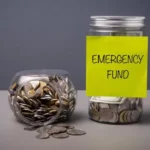
Step 1: Build an Emergency Fund First
Before investing heavily, you should have emergency savings.
Most financial planners recommend saving 3–6 months of expenses.
Example:
| Monthly Expenses | Emergency Fund |
| KSh 90,000 | KSh 270,000 – KSh 540,000 |
Emergency funds are often placed in money market funds or savings accounts because they are easy to access.
Step 2: Use Money Market Funds for Cash Management
Money market funds are useful for:
✔ short-term savings
✔ parking extra cash
✔ earning returns while maintaining liquidity
These funds are regulated by the Capital Markets Authority.
Many high earners use them as a financial buffer for unexpected expenses.
Step 3: Invest in Treasury Bonds
Treasury bonds are considered among the safest investments in Kenya because they are issued by the government.
They are managed by the Central Bank of Kenya.
Benefits include:
✔ predictable interest payments
✔ long-term stability
✔ relatively low risk
Example:
| Investment | Interest Income |
| KSh 1,000,000 | Regular semiannual interest payments |
Treasury bonds are often used for stable long-term income.
Step 4: Invest in Stocks
Stocks allow investors to benefit from the growth of companies listed on the Nairobi Securities Exchange.
Examples of major Kenyan companies include:
- Safaricom
- Equity Group Holdings
- KCB Group
Stocks may generate:
✔ dividends
✔ capital growth
However, stock prices can fluctuate.
Step 5: Consider Real Estate
Real estate remains one of the most popular investments in Kenya.
Examples include:
- rental apartments
- land investments
- commercial property
Example:
| Property | Monthly Rental Income |
| Apartment | KSh 35,000 |
Rental income can provide consistent cash flow.
Step 6: Invest for Retirement
High earners should prioritize retirement planning early.
Options include:
✔ private pension plans
✔ retirement savings investments
✔ long-term funds
Kenya’s public retirement system includes the National Social Security Fund.
Additional private pension contributions can strengthen retirement savings.
Example Investment Allocation
Someone earning KSh 250,000 per month might invest like this:
| Investment | Monthly Amount |
| Money market fund | KSh 30,000 |
| Treasury bonds | KSh 25,000 |
| Stocks | KSh 20,000 |
| Retirement savings | KSh 15,000 |
Total monthly investments:
💰 KSh 90,000
Why High Earners Must Invest
Higher income does not automatically lead to wealth.
Investing helps:
✔ grow money over time
✔ protect against inflation
✔ build financial security
Consistent investing is one of the most powerful ways to build wealth.
Example
If someone invests:
💰 KSh 100,000 per month
After one year:
💰 KSh 1,200,000 invested
Over several years, investment growth can significantly increase total wealth.
Frequently Asked Questions
Is KSh 200,000 enough to start serious investing?
Yes. This income level allows regular investment while maintaining lifestyle expenses.
Should investments be diversified?
Yes. Diversification reduces risk by spreading money across multiple assets.
Is real estate better than financial investments?
Both have advantages. Many investors combine real estate with financial investments.
Final Thoughts
High earners in Kenya have significant opportunities to build wealth through strategic investments.
A balanced investment strategy that includes safe assets, growth investments, and retirement planning can help achieve long-term financial goals.
Quick Tip
As income grows, increase your investment contributions rather than lifestyle spending.
Photo Source: Google