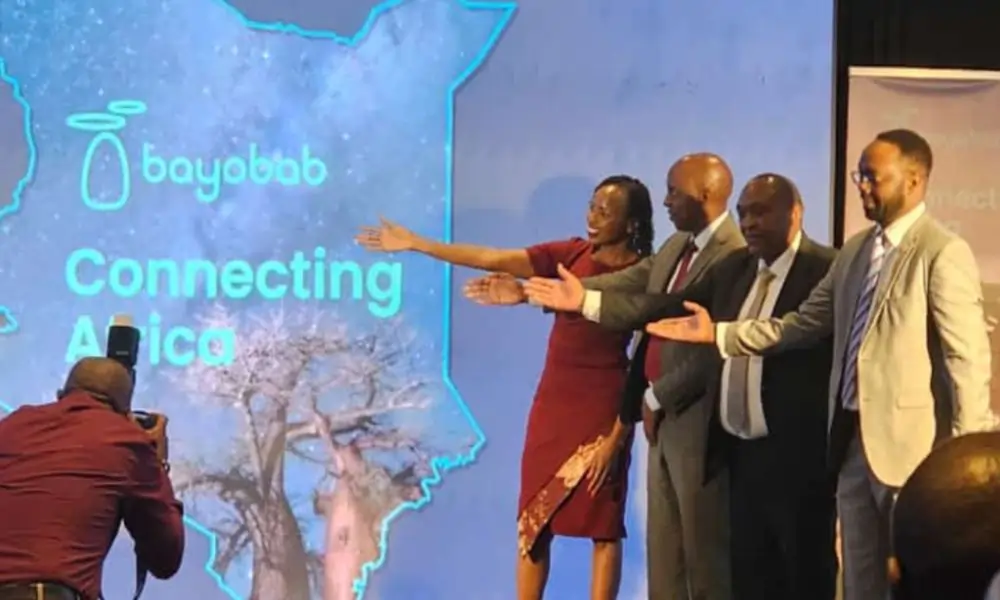
Bayobab Kenya, part of the Bayobab Group, the digital infrastructure arm of MTN Group, has announced the successful completion of a multi-million-shilling long-distance fibre network that links Mombasa to Malaba and Busia. This new fibre optic network is set to revolutionize connectivity across Kenya, Uganda, and neighboring countries, enhancing digital infrastructure and boosting economic growth in the region.
The network, which follows Kenya Railways’ metre gauge railway line, spans over 1,000 kilometers on the Kenyan side, and it extends to the borders of Uganda, Rwanda, South Sudan, and the Democratic Republic of Congo (DRC). This new infrastructure offers a reliable, high-capacity backbone for internet service providers (ISPs) looking to expand or enhance connectivity in towns along the route.
Strategic Importance of the Fibre Network
The completion of this fibre network is a significant milestone in East Africa’s digital transformation. The connection between Mombasa and Malaba is particularly strategic, as it provides an alternative route for data traffic, reducing the risk of service interruptions and offering redundancy for existing routes. This is especially important for businesses and governments relying on continuous, high-speed internet access.
Moreover, the fibre network’s proximity to the railway line means that it can easily be accessed and maintained, ensuring long-term sustainability and reliability. By leveraging the existing railway infrastructure, Bayobab Kenya has been able to reduce costs and expedite the construction of this critical network.
Impact on Regional Connectivity and Economic Growth
The fibre network’s expansion into Uganda and its interconnection with Rwanda, South Sudan, and the DRC is expected to have far-reaching implications for regional trade and economic development. The improved connectivity will facilitate smoother communication and data exchange between these countries, enhancing cross-border trade, and supporting the growth of digital economies across the region.
The project aligns with Bayobab Africa’s vision of creating a connected and empowered continent. The company’s “Ambition 2025” strategy aims to build 135,000 kilometers of proprietary fibre across Africa, a goal that underscores its commitment to improving telecommunications infrastructure and bridging the digital divide.
Enhancing Internet Access and Digital Inclusion
One of the most significant benefits of this fibre network is its potential to improve internet access in rural and underserved areas along the route. Many of these communities have historically lacked reliable internet connectivity, which has hindered their ability to participate fully in the digital economy. With the completion of this project, more people will have access to high-speed internet, opening up new opportunities for education, healthcare, and business.
The project also aligns with the Kenyan government’s broader digital transformation goals. As part of its “Digital Economy Blueprint,” the government aims to create a vibrant digital economy by enhancing internet access and promoting the adoption of digital technologies across various sectors. The Bayobab fibre network will play a crucial role in achieving these objectives, particularly in the areas of e-commerce, digital education, and telemedicine.
Collaboration and Partnership
The success of this project is a testament to the power of collaboration between the public and private sectors. Bayobab Kenya’s partnership with Kenya Railways has been instrumental in the network’s construction, as it allowed the company to leverage existing infrastructure and secure the necessary rights-of-way along the railway line.
The project has also received support from key stakeholders in the Kenyan government. At the launch event, Emmanuel Kata Kimeu, ICT Secretary at the Ministry of Information, Communication and the Digital Economy, highlighted the importance of the network in achieving the government’s digital goals. David Mugonyi, Director General of the Communications Authority of Kenya (CA), and James Turuthi, Chairman of the Technology Service Providers of Kenya (TESPOK), also attended the event, underscoring the project’s significance to the country’s digital future.
Future Prospects and Challenges
Looking ahead, the success of Bayobab Kenya’s fibre network is likely to spur further investments in digital infrastructure across the region. As more countries and businesses recognize the importance of robust connectivity for economic development, there will be increased demand for similar projects.
However, the expansion of digital infrastructure also comes with challenges. Ensuring the security of these networks, particularly against cyber threats, will be crucial. Additionally, maintaining the network’s reliability in the face of natural disasters or other disruptions will require ongoing investment and innovation.
Bayobab Kenya’s commitment to pushing the boundaries of telecommunications infrastructure is evident in its ambitious plans. The company’s focus on building a modern, connected Africa is not just about laying fibre optic cables; it’s about creating a foundation for sustainable economic growth and improving the quality of life for millions of people across the continent.
Conclusion
The completion of the Mombasa-to-Malaba fibre network by Bayobab Kenya marks a significant step forward in the region’s digital transformation journey. By providing a reliable, high-capacity backbone for internet connectivity, this project will enhance communication, support economic growth, and improve digital inclusion across Kenya, Uganda, and beyond.
As the digital economy continues to expand, the importance of such infrastructure projects cannot be overstated. They are the building blocks of a connected future, where access to information and technology can drive progress and prosperity for all. With its visionary approach and strategic investments, Bayobab Kenya is leading the charge towards a more connected and empowered Africa.
photo source: Google
By: Montel Kamau
Serrari Financial Analyst
29th August, 2024