A New Chapter for Malaysian Capital Markets
Malaysia’s financial services sector has taken a decisive step into the digital asset era. Kenanga Investment Bank, through its broader group ecosystem, has introduced what it calls the country’s first tokenised unit trust money market funds. The launch marks a convergence between traditional asset management and blockchain infrastructure, signaling a potential transformation in how low-risk investment products are accessed, distributed, and administered.
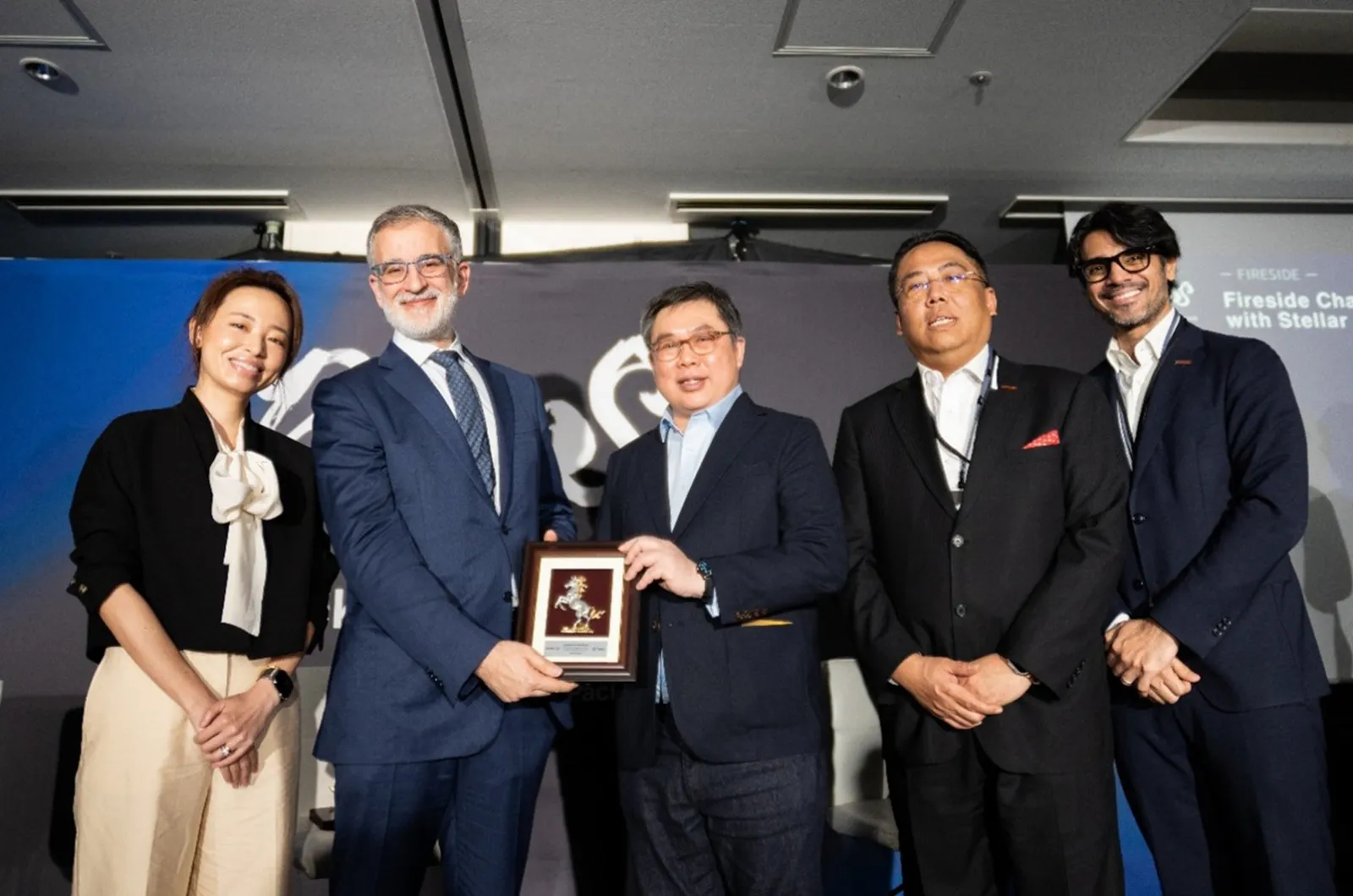
The initiative was formally unveiled during Blockchain Summit 2026, held as part of Japan Fintech Week. At the centre of the launch is Myrra, a proprietary token platform built on the Stellar network. Through this infrastructure, Kenanga Group has enabled the digital tokenisation of two established money market funds: the Kenanga Money Market Fund (KMMF) and the Kenanga Islamic Money Market Fund (KIMMF), both managed by Kenanga Investors Berhad.
The introduction of tokenised unit trust funds in Malaysia represents more than a technological experiment. It reflects a structural shift in asset management distribution, operational processes, and investor accessibility.
Build the future you deserve. Get started with our top-tier Online courses: ACCA, HESI A2, ATI TEAS 7, HESI EXIT, NCLEX-RN, NCLEX-PN, and Financial Literacy. Let Serrari Ed guide your path to success. Enroll today.
Understanding the Tokenisation Model
At its core, tokenisation refers to the digital representation of real-world assets on a blockchain. In this case, units of two Malaysian Ringgit-denominated money market funds have been converted into blockchain-based tokens.
Each digital token corresponds one-to-one with an actual unit in the underlying fund. This means investors who purchase tokens via the Myrra platform are not buying a synthetic derivative or a speculative crypto asset. Instead, they are acquiring a blockchain-recorded claim on an existing regulated fund unit.
This structure preserves:
- The regulatory framework governing unit trusts
- The asset management oversight
- The underlying portfolio composition and risk profile
While introducing:
- Digital ledger-based ownership records
- Potentially faster transaction processing
- Direct web-based access through Myrra’s portal
- Reduced reliance on traditional intermediaries
By anchoring the tokens to real fund units, Kenanga has positioned the product closer to digitised financial infrastructure rather than speculative cryptocurrency.
Why Money Market Funds?
Money market funds are generally considered among the lowest-risk collective investment schemes. They typically invest in:
- Short-term government securities
- Treasury bills
- Bank deposits
- High-grade commercial paper
The Kenanga Money Market Fund and its Islamic counterpart offer exposure to Malaysian Ringgit-denominated short-term instruments. The Islamic version adheres to Shariah principles, ensuring compliance with Islamic finance standards.
Choosing money market funds as the first asset class to tokenise is strategically significant.
Low-volatility assets reduce:
- Market risk exposure for first-time digital investors
- Reputational risk for the issuer
- Systemic concerns around blockchain-based asset instability
By starting with conservative investment products, Kenanga appears to be testing tokenisation in a controlled environment rather than launching directly into high-volatility asset classes.
The Role of the Stellar Blockchain
Kenanga’s Myrra platform is built on the Stellar blockchain network. Stellar is widely known for facilitating cross-border payments and digital asset issuance.
Stellar’s architecture emphasizes:
- Low transaction costs
- High-speed settlement
- Interoperability between financial institutions
- Asset issuance functionality
Deploying tokenised unit trusts on Stellar enables digital tokens to exist within a public blockchain infrastructure while maintaining structured issuance and compliance controls.
According to Kenanga Group’s leadership, deploying on Stellar aligns with Malaysia’s ambition to become a regional hub for blockchain-enabled finance. The integration also contributes to broader digital public infrastructure development.
This move situates Malaysia alongside other jurisdictions experimenting with real-world asset tokenisation, particularly in Asia, Europe, and parts of the Middle East.
Expanding Investor Access
One of the most consequential aspects of this development is distribution.
Traditionally, investors access unit trust funds through:
- Banks
- Licensed financial advisers
- Fund platforms
- Wealth management firms
Tokenization via Myrra allows direct access through a web portal. Investors can buy or sell digital tokens that mirror fund units without navigating conventional intermediary structures.
This potentially introduces:
- Greater accessibility for retail investors
- Lower distribution friction
- 24/7 transaction potential (subject to regulatory design)
- Fractional ownership capabilities
While traditional fund processing cycles often follow cut-off times and settlement delays, blockchain-based infrastructure may support near real-time record updates.
However, the regulatory and operational mechanics will determine whether true 24/7 liquidity is achievable in practice.
The Broader Tokenised Deposits Context
This development intersects with another growing trend: tokenised deposits.
Ant International has reportedly been among the early adopters of tokenised deposit systems globally, working with multiple banks to digitise internal treasury operations. These tokenised deposits allow corporations to move funds internationally around the clock.
In this broader context, there is speculation that Malaysian banks such as CIMB may explore Ringgit-denominated tokenised deposits, subject to regulatory approval.
If tokenised deposits and tokenised funds converge within the same ecosystem, the implications could include:
- Instant treasury management
- Automated liquidity deployment into money market funds
- Seamless on-chain cash equivalents
Such integration would blur traditional lines between banking, asset management, and payment systems.
One decision can change your entire career. Take that step with our Online courses in ACCA, HESI A2, ATI TEAS 7, HESI EXIT, NCLEX-RN, NCLEX-PN, and Financial Literacy. Join Serrari Ed and start building your brighter future today.
Historical Context: From Unit Trusts to Digital Assets
To understand the significance of this launch, it is important to look at how collective investment schemes evolved in Malaysia.
Unit trusts in Malaysia have been regulated under the Securities Commission framework for decades. The industry expanded steadily from the 1990s onward, supported by:
- Growth in household savings
- Expansion of Islamic finance
- Development of private retirement schemes
- Increased financial literacy
At the same time, Malaysia positioned itself as a global leader in Islamic capital markets.
Parallel to this, blockchain technology emerged globally after 2008. While early adoption focused heavily on cryptocurrencies, institutional interest gradually shifted toward tokenising real-world assets (RWA).
Globally, the timeline has included:
- Tokenised bonds in Europe
- Digital government bond pilots
- Tokenised money market funds in select jurisdictions
- Central bank digital currency (CBDC) experiments
Kenanga’s move places Malaysia within this global tokenisation wave, but focused on regulated, conservative asset classes rather than speculative tokens.
Why This Matters
1. Institutional Legitimacy for Blockchain in Malaysia
This is not a crypto startup issuing experimental tokens. It is a regulated investment bank integrating blockchain into mainstream financial products.
That institutional backing reduces perception risk and legitimises blockchain-based asset issuance within the Malaysian capital market.
2. Financial Inclusion and Broader Reach
Tokenization could potentially lower minimum investment thresholds and simplify onboarding. If structured properly, this may expand access to money market products for younger or digitally native investors.
3. Operational Efficiency
Blockchain infrastructure can reduce:
- Reconciliation processes
- Manual record-keeping
- Settlement delays
- Intermediary fees
If operational efficiencies materialize, fund management costs could decline over time.
4. Strategic Positioning for Malaysia
Malaysia has long aimed to strengthen its capital markets and fintech ecosystem. Becoming an early mover in tokenised unit trust funds may:
- Attract regional fintech partnerships
- Encourage regulatory innovation
- Position Malaysia competitively against Singapore and Hong Kong
5. Integration with Islamic Finance
The inclusion of an Islamic money market fund in tokenised form is particularly notable. It signals that digital innovation is being applied within Shariah-compliant frameworks, which could broaden adoption across Muslim-majority markets.
Risks and Considerations
While the development appears progressive, several risks and structural uncertainties remain.
Regulatory Risk
Tokenised financial products operate within a complex intersection of:
- Securities law
- Digital asset regulation
- Payment system oversight
- Data governance frameworks
Future regulatory adjustments could alter how these tokens are treated, taxed, or reported.
Operational and Cybersecurity Risk
Blockchain systems, while secure by design, are not immune to:
- Smart contract vulnerabilities
- Platform-level cyberattacks
- Custody-related breaches
- User wallet mismanagement
A high-profile security incident could undermine investor confidence.
Liquidity Illusion Risk
Although blockchain enables 24/7 token transfers, underlying money market assets may not settle 24/7. If redemption mechanisms depend on traditional banking hours, there could be a mismatch between perceived liquidity and actual liquidity.
Market Education Risk
Retail investors may misunderstand the difference between:
- Speculative crypto tokens
- Asset-backed tokenised funds
- Stablecoins
- Tokenised deposits
Clear communication and investor education are critical to prevent misinterpretation.
Technology Concentration Risk
Relying heavily on a single blockchain infrastructure such as Stellar introduces platform dependency. If technical or governance issues arise within that ecosystem, it could affect the product’s functionality.
Competitive Implications
Kenanga’s move may pressure:
- Other Malaysian asset managers
- Regional banks
- Fintech platforms
to accelerate their own digital asset strategies.
If tokenised funds gain traction, competitors may respond with:
- Tokenised bond funds
- Tokenised equity funds
- Digital sukuk issuance
- Blockchain-integrated treasury products
This could initiate a new competitive frontier in Southeast Asian asset management.
The Global Race Toward Real-World Asset Tokenisation
Globally, the tokenisation of real-world assets has gained traction as institutions seek to modernize settlement systems.
The value proposition includes:
- Increased transparency
- Programmable financial instruments
- Fractional ownership
- Global distribution
Money market funds, due to their stability, have become one of the preferred early asset classes for tokenisation.
Kenanga’s entry suggests that Southeast Asia is no longer merely observing this global shift but actively participating.
What Comes Next?
The initial launch covers two money market funds. However, the strategic question is whether this is a pilot initiative or the foundation of a broader tokenisation roadmap.
Future developments may include:
- Tokenised fixed-income funds
- Cross-border token distribution
- Integration with tokenised deposits
- Institutional treasury solutions
- Blockchain-based settlement layers for private markets
Much will depend on regulatory clarity, investor uptake, and technological performance.
Conclusion
Kenanga Investment Bank’s launch of Malaysia’s first tokenised unit trust money market funds marks a significant intersection between traditional asset management and blockchain infrastructure.
By digitising Malaysian Ringgit money market funds through the Myrra platform built on Stellar, Kenanga is not merely introducing a new distribution channel. It is experimenting with a structural redesign of fund ownership, settlement, and investor access.
The initiative holds promise for:
- Greater efficiency
- Broader investor inclusion
- Strengthened fintech positioning
- Integration with Islamic finance innovation
However, it also introduces regulatory, operational, and educational challenges that must be carefully managed.
If executed effectively, this move could become a foundational milestone in Malaysia’s journey toward blockchain-enabled capital markets. If mismanaged, it could reinforce skepticism around digital financial innovation.
The true impact will ultimately depend not on the technology itself, but on governance, regulatory alignment, investor trust, and practical adoption.
In that sense, Myrra is more than a platform launch. It is a test of whether tokenisation can transition from fintech experimentation to mainstream financial infrastructure in Malaysia.
Ready to take your career to the next level? Join our Online courses: ACCA, HESI A2, ATI TEAS 7 , HESI EXIT , NCLEX – RN and NCLEX – PN, Financial Literacy!🌟 Dive into a world of opportunities and empower yourself for success. Explore more at Serrari Ed and start your exciting journey today! ✨
Track GDP, Inflation and Central Bank rates for top African markets with Serrari’s comparator tool.
See today’s Treasury bonds and Money market funds movement across financial service providers in Kenya, using Serrari’s comparator tools.
photo source : Google
By: Elsie Njenga
2nd march, 2026