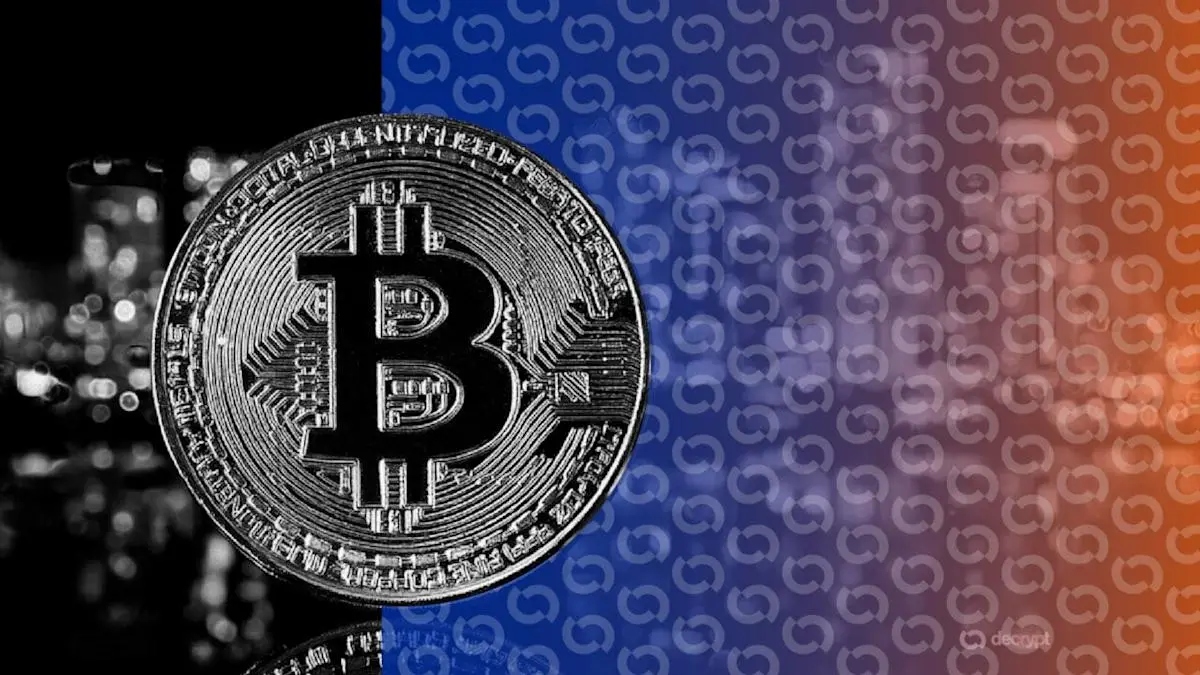
Abu Dhabi’s institutional appetite for Bitcoin has come into sharp focus following the release of Q4 2025 regulatory disclosures in the United States. SEC 13F filings submitted on February 17, 2026, reveal that Mubadala Investment Company — one of the UAE’s flagship sovereign wealth funds — now holds 12.7 million shares of BlackRock’s iShares Bitcoin Trust (IBIT) ETF, valued at $630.6 million as of December 31, 2025. The disclosure also confirms a parallel stake by Al Warda Investments RSC, another Abu Dhabi-backed entity, which holds 8.2 million IBIT shares worth approximately $408 million. Together, the two funds command a combined position exceeding $1.38 billion in the world’s largest spot Bitcoin ETF.
For Mubadala, the Q4 increase represents a 46% jump in share count from the 8.7 million units it reported at the end of September 2025. The fund added nearly four million shares during a quarter when Bitcoin’s price fell approximately 23% from its October peak, a period that included the most destructive single-day liquidation event in the history of cryptocurrency markets. The decision to buy into that turbulence, rather than retreat, is being read by analysts as a deliberate institutional long-term strategy rather than short-term speculation.
Build the future you deserve. Get started with our top-tier Online courses: ACCA, HESI A2, ATI TEAS 7, HESI EXIT, NCLEX-RN, NCLEX-PN, and Financial Literacy. Let Serrari Ed guide your path to success. Enroll today.
Buying Through the Storm: The October 10 Crash
The fourth quarter of 2025 was anything but calm for digital asset markets. On October 10, 2025, the crypto ecosystem experienced what analysts have described as a historic liquidation cascade, triggered by U.S. President Donald Trump’s announcement of 100% tariffs on Chinese imports. Within hours, over $19.13 billion in leveraged positions were forcibly closed — a figure roughly nine times larger than any previous single-day liquidation total on record, according to data from CoinGlass.
Bitcoin plummeted roughly 14% from above $122,000 to around $105,000 at the worst of the sell-off. Ethereum dropped 12%, and a swath of altcoins, including Solana which briefly shed more than 40% of its value, saw extreme intraday collapses. Over 1.6 million trader accounts were liquidated across centralised and decentralised venues. OKX research noted that approximately $16.7 billion of the liquidations were long positions — a stark indicator of how aggressively leveraged the market had become heading into the crash.
Despite the short-term chaos, institutional investors such as Mubadala appear to have interpreted the downturn as an entry opportunity. CoinShares noted in a post-event analysis that liquidation cascades are fundamentally liquidity crises rather than fundamental revaluations, suggesting that long-horizon investors with high conviction could find compelling value in regulated Bitcoin exposure products during such dislocations. Mubadala’s Q4 buying, squarely within the crash period, appears to reflect precisely that calculus.
IBIT: The Institutional Gateway to Bitcoin
BlackRock’s iShares Bitcoin Trust has become the preferred vehicle for large-scale institutional exposure to Bitcoin in the post-ETF-launch era. As of mid-February 2026, IBIT manages approximately $52.4 billion in assets under management, cementing its position as the largest spot Bitcoin ETF globally by a significant margin. The fund’s structure allows institutions — including pension funds, sovereign wealth funds, and endowments — to gain Bitcoin exposure without the operational complexities of direct custody, security infrastructure, or on-chain accounting.
Mubadala is not alone among major institutions in bolstering IBIT positions during Q4. Jane Street increased its IBIT stake by approximately 54%, bringing its total to over 20.3 million shares valued at roughly $790 million at year-end, making it the fourth-largest holder of the ETF. Morgan Stanley expanded its IBIT holdings by about 22% to reach 13.44 million shares. Barclays raised its position by nearly 23%, while Susquehanna International Group grew its stake by approximately 71%. BlackRock itself reported 12.77 million shares, following a 23% increase. On the other side of the ledger, Goldman Sachs reduced its IBIT exposure by more than 39%, and JPMorgan cut its position by 42.7% — demonstrating that the institutional view on regulated crypto remains nuanced, if directionally positive.
One decision can change your entire career. Take that step with our Online courses in ACCA, HESI A2, ATI TEAS 7, HESI EXIT, NCLEX-RN, NCLEX-PN, and Financial Literacy. Join Serrari Ed and start building your brighter future today.
Al Warda Joins the Charge
While Mubadala has attracted most of the headlines, Al Warda Investments RSC — a strategic investment arm operating under the Abu Dhabi Investment Council (ADIC) — also disclosed a significant IBIT stake of 8.2 million shares, up from approximately 7.96 million in the previous quarter. Its position was valued at around $408 million as of December 31, 2025. The two Abu Dhabi entities collectively hold more than 20 million IBIT shares, placing them among the most consequential sovereign holders of the fund globally. It is worth noting that with Bitcoin declining a further 23% year-to-date in 2026, the combined mark-to-market value of their holdings has retreated to approximately $800 million as of mid-February, though neither fund has disclosed any reduction in their positions.
A Strategy Years in the Making
The IBIT disclosures are the latest chapter in a broader Abu Dhabi digital asset strategy that has unfolded systematically over recent years. The most visible landmark came in March 2025, when MGX announced a $2 billion investment in Binance, the world’s largest cryptocurrency exchange by trading volume. The deal — the single largest institutional investment ever placed in a crypto company — was notable not only for its scale but for being settled in stablecoins rather than fiat currency, marking a milestone for digital asset transactions at the institutional level.
MGX was established in 2024 with strategic backing from G42, a prominent Abu Dhabi-based artificial intelligence and cloud computing company, and Mubadala, making the organisational links between Abu Dhabi’s major investment vehicles and its crypto strategy explicit. By acquiring a minority stake in Binance, MGX positioned itself at the intersection of blockchain infrastructure, decentralised finance, and digital payments — a nexus that its parent entities have continued to build out through the IBIT holdings and other initiatives. CoinDesk reported at the time that the MGX-Binance deal also marked the first institutional investment placement in the exchange since its founding.
The stablecoin dimension of the Binance deal later took on additional significance when Eric Trump announced at the Token2049 conference in Dubai that World Liberty Financial’s USD1 stablecoin — a product linked to the Trump family’s decentralised finance venture — would be used to settle the transaction. This disclosure drew scrutiny from U.S. legislators over the intersection of political affiliations and sovereign crypto deals, though the transactional and investment rationale for Abu Dhabi remained unchanged.
UAE as a Global Crypto Hub: Regulatory Foundations
The institutional boldness of Mubadala and its peers does not exist in a vacuum. It is underpinned by a deliberate regulatory architecture that has made the UAE one of the world’s most crypto-friendly jurisdictions for sophisticated investors. Dubai’s Virtual Assets Regulatory Authority (VARA), established in 2022, provides a clear licensing and compliance framework for digital asset businesses, giving institutional participants the legal certainty they require. According to a CoinDesk analysis published in October 2025, the UAE ranks among the top five global destinations for digital asset investors, with the global population of crypto millionaires reaching 241,700 — a 40% year-on-year increase, according to Henley & Partners’ Crypto Wealth Report 2025.
The UAE’s broader economic diversification strategy — encapsulated in frameworks such as We the UAE 2031 — has identified digital finance as a strategic pillar. Sovereign institutions including Mubadala and ADIC-linked vehicles are not simply making opportunistic bets on Bitcoin prices; they are executing a deliberate mandate to participate in and shape the institutional crypto market. Khaldoon Al Mubarak, Mubadala’s CEO, has overseen the fund’s shift toward digital assets as part of a long-term view of Bitcoin as a store of value — a “digital gold” narrative that increasingly resonates with sovereign investors seeking non-correlated assets amid persistent macroeconomic uncertainty.
What the Broader Institutional Picture Signals
Beyond Abu Dhabi, the Q4 2025 13F filings paint a picture of sustained and deepening institutional engagement with Bitcoin. Goldman Sachs disclosed approximately $2.3 billion in total crypto exposure, including a $1.1 billion IBIT position, marking a notable pivot from its earlier scepticism toward the asset class. Harvard Management Company, meanwhile, cut its Bitcoin position by 21% to 3.5 million IBIT shares but simultaneously established a new $86.8 million stake in BlackRock’s iShares Ethereum Trust — signalling a reallocation within crypto rather than an exit from digital assets altogether. Robert Mitchnick, Head of Digital Assets at BlackRock, has noted in panel discussions that IBIT’s investor base appears oriented toward longer-term positioning, with ETF-driven hedge fund activity not being the primary source of market volatility.
Taken together, the Q4 filings suggest that Bitcoin’s role as a mainstream institutional asset is now firmly established. Sovereign wealth funds in Abu Dhabi are buying through double-digit price drawdowns. Major trading firms are scaling positions to the billions. And regulated ETF structures are making it easier than ever for traditionally conservative capital allocators to access crypto markets without the operational and reputational risks historically associated with direct cryptocurrency ownership. For Mubadala, a fund that manages assets exceeding $330 billion across infrastructure, technology, healthcare, and private equity, the $630.6 million IBIT stake remains a small but symbolically significant position — one that is likely to grow as digital assets become a more established component of global institutional portfolios.
The message from Abu Dhabi is clear: when the market crashed in October, the sovereign funds bought. When the prices slid another 23% into 2026, they held. That posture, more than any single filing, defines what long-term institutional conviction in Bitcoin looks like.
Ready to take your career to the next level? Join our Online courses: ACCA, HESI A2, ATI TEAS 7 , HESI EXIT , NCLEX – RN and NCLEX – PN, Financial Literacy!🌟 Dive into a world of opportunities and empower yourself for success. Explore more at Serrari Ed and start your exciting journey today! ✨
Track GDP, Inflation and Central Bank rates for top African markets with Serrari’s comparator tool.
See today’s Treasury bonds and Money market funds movement across financial service providers in Kenya, using Serrari’s comparator tools.
photo source: Google
By: Montel Kamau
Serrari Financial Analyst
19th February, 2026