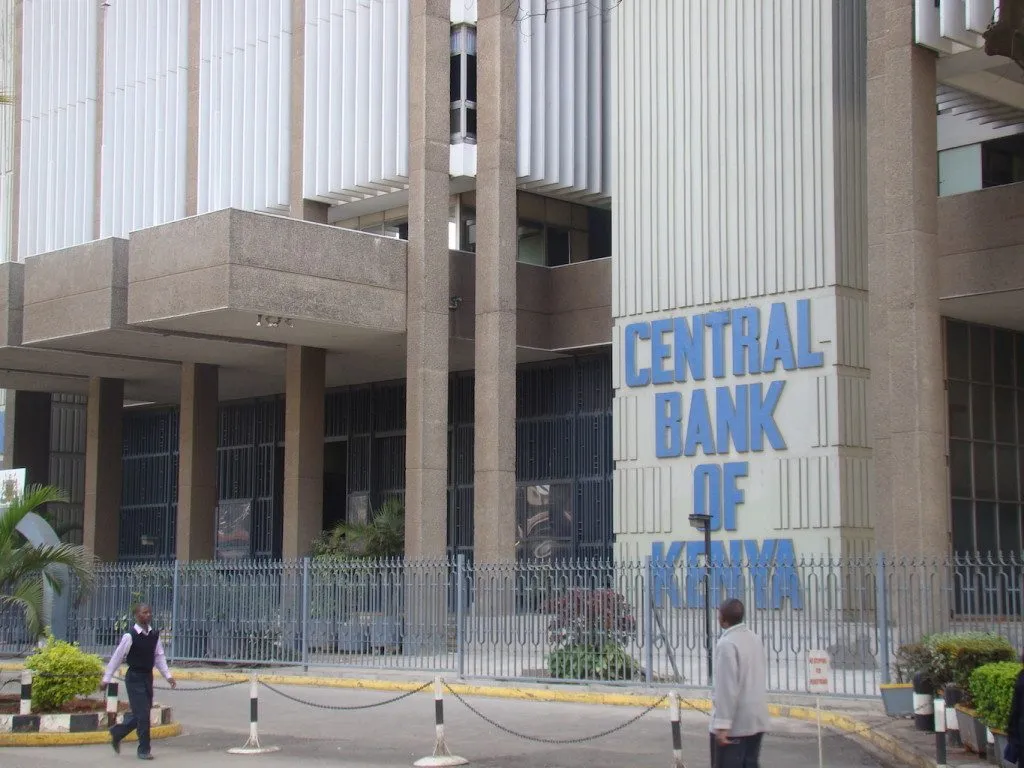
Kenya’s monetary policy cycle has entered a defining phase. The Central Bank of Kenya (CBK) has lowered its benchmark rate to 8.75 percent, marking the tenth consecutive easing move since August 2024 and bringing borrowing costs to their lowest level since January 2023. The 25-basis-point reduction reflects a central bank increasingly confident that inflation is under control, the banking system is stabilizing, and economic momentum can be sustained with further monetary support.
At first glance, the move appears incremental. But in reality, it represents a structural turning point in Kenya’s post-tightening monetary environment.
With inflation steady at 4.4 percent, private-sector credit growth accelerating to 6.4 percent, and non-performing loans trending decisively lower, policymakers now appear willing to shift from defensive stabilization toward proactive growth support.
The decision has implications not only for borrowers and banks, but also for Kenya’s fiscal outlook, external stability, and investor confidence in 2026 and beyond.
Build the future you deserve. Get started with our top-tier Online courses: ACCA, HESI A2, ATI TEAS 7, HESI EXIT, NCLEX-RN, NCLEX-PN, and Financial Literacy. Let Serrari Ed guide your path to success. Enroll today.
The Context: From Tightening to Ten Straight Cuts
To understand the significance of the tenth consecutive rate cut, it is important to revisit Kenya’s recent monetary history.
Between 2022 and early 2024, Kenya like many emerging markets faced a combination of:
- Rising global interest rates led by the U.S. Federal Reserve
- Elevated inflation pressures
- Currency volatility
- Expanding fiscal deficits
The CBK adopted a cautious tightening bias during that period, aiming to anchor inflation expectations and defend the shilling. However, by mid-2024, inflation had moderated meaningfully, and the currency stabilized as foreign exchange reserves improved. The CBK began a gradual easing cycle in August 2024.
Since then, the policy rate has been lowered ten consecutive times one of the longest easing streaks in Kenya’s monetary history. Now, at 8.75 percent, the Central Bank Rate (CBR) is approaching levels last seen before inflation and currency pressures intensified in 2023.
Inflation: The Anchor of Monetary Policy
The primary mandate of the Central Bank of Kenya is price stability. Monetary easing would not be possible if inflation risks remained elevated. According to data from the Kenya National Bureau of Statistics (KNBS), Kenya’s headline inflation eased slightly to 4.4 percent in January 2026, down from 4.5 percent in December 2025.
This figure is important for two reasons:
- It remains below the 5 percent midpoint of the CBK’s target range.
- It suggests price pressures are contained even amid global volatility.
Breaking inflation down further:
- Core inflation edged up modestly to 2.2 percent.
- Non-core inflation eased to 10.3 percent, largely due to cheaper vegetable prices.
The moderation in food prices traditionally a volatile component in Kenya’s inflation basket has provided breathing space for policymakers.
Historically, inflation spikes in Kenya have been driven by:
- Weather-related agricultural shocks
- Fuel price increases
- Exchange rate depreciation
- Imported inflation via global commodity prices
The current stability signals that these risks are presently manageable.
Credit Growth: A Quiet but Crucial Improvement
While inflation stability enables easing, improving credit growth justifies it. Private-sector lending grew by 6.4 percent in January 2026, up from 5.9 percent in December 2025. This acceleration indicates that monetary transmission is slowly regaining traction.
Growth was particularly notable in:
- Building and construction
- Trade
- Consumer durables
Credit growth is a key driver of economic expansion. When businesses borrow to invest and households borrow to consume or build homes, economic activity multiplies.
Between 2023 and early 2025, private-sector credit growth stagnated due to:
- High borrowing costs
- Elevated non-performing loans
- Weak business confidence
The rebound to 6.4 percent suggests early signs of recovery.
Bank Balance Sheets: The True Turning Point
Perhaps the most significant driver behind the CBK’s decision is the improvement in asset quality across the banking sector.
Gross non-performing loans (NPLs) fell to 15.5 percent in January 2026, down from:
- 16.5 percent in November 2025
- 17.6 percent in June 2025
- 17.4 percent peak in March 2025
For context, NPLs stood at 14.8 percent in December 2023 before rising sharply through 2024 and early 2025. The decline marks a clear inflection.
NPL deterioration during 2024–2025 reflected stress in:
- Real estate
- Construction
- Manufacturing
- Household lending
Since mid-2025, banks have:
- Increased provisioning
- Recovered delinquent loans
- Restructured distressed exposures
- Tightened credit standards
Improving asset quality reduces systemic risk and gives the CBK greater flexibility to stimulate growth. A healthier banking system is the foundation upon which rate cuts can safely rest.
One decision can change your entire career. Take that step with our Online courses in ACCA, HESI A2, ATI TEAS 7, HESI EXIT, NCLEX-RN, NCLEX-PN, and Financial Literacy. Join Serrari Ed and start building your brighter future today.
Growth Outlook: Steady but Not Spectacular
Kenya’s real GDP expanded by 4.9 percent in Q3 2025, driven largely by industrial activity and resilient services. The CBK trimmed its 2025 growth estimate slightly to 5.0 percent from 5.2 percent, citing agricultural headwinds and global uncertainties.
However, projections remain optimistic:
- 2026: 5.5 percent growth
- 2027: 5.6 percent growth
These forecasts assume:
- Stable weather conditions
- No major geopolitical shocks
- Continued policy support
Kenya’s growth profile remains stronger than many regional peers, supported by:
- Infrastructure development
- Expanding digital economy
- Urbanization trends
- Financial sector depth
The rate cut aims to reinforce this trajectory.
External Position: Stability Enables Flexibility
Monetary easing in emerging markets often carries currency risk. However, Kenya’s external metrics appear relatively stable. The current account deficit widened to 2.4 percent of GDP in 2025, up from 1.3 percent in 2024. Imports rose 9.1 percent compared to export growth of 6.1 percent. Despite this widening, the CBK expects stabilization at 2.2 percent of GDP in 2026–2027, fully financed by capital inflows. Foreign exchange reserves stood at US$ 12.46 billion, equal to 5.37 months of import cover—comfortably above statutory and regional convergence requirements. Strong reserves allow the CBK to ease rates without triggering currency panic.
The Interest Rate Corridor Adjustment
Beyond the headline rate cut, the CBK narrowed its interest rate corridor from ±75 basis points to ±50 basis points. This technical adjustment improves alignment between the policy rate and the Kenya Shilling Overnight Interbank Average (KESONIA). Improved corridor management strengthens monetary policy transmission ensuring rate cuts meaningfully influence lending rates.
Historical Comparison: Is This Kenya’s Most Aggressive Easing Cycle?
Kenya has experienced easing cycles before, particularly during:
- The global financial crisis
- The COVID-19 pandemic
However, the current ten-cut streak stands out for its consistency and duration.
Unlike crisis-driven cuts, this easing phase reflects:
- Stabilization rather than panic
- Proactive growth support
- Banking sector repair
That distinction matters.
Why This Matters
The implications of the CBK’s tenth consecutive rate cut extend across the economy.
1. Borrowers
Lower rates reduce mortgage, personal loan, and SME financing costs.
2. Businesses
Cheaper capital supports expansion, hiring, and investment.
3. Government
Lower domestic yields reduce the Treasury’s interest burden.
4. Banks
Improved asset quality and controlled easing restore confidence.
5. Investors
Stable inflation and declining NPLs enhance macro credibility.
Risks to Watch
Despite optimism, several risks remain:
- Weather shocks affecting food inflation
- Global oil price volatility
- Slower-than-expected credit transmission
- External capital flow reversals
Should inflation spike or the shilling weaken materially, the easing cycle could pause.
Conclusion: A Cautious but Confident Pivot
Kenya’s tenth consecutive rate cut is not merely symbolic. It reflects improving macro fundamentals, stronger bank balance sheets, contained inflation, and manageable external risk. At 8.75 percent, the CBR now signals a shift toward growth support.
The success of this strategy will depend on whether credit growth accelerates meaningfully and translates into sustained private-sector expansion. For now, the message from the Central Bank of Kenya is clear: stabilization has given way to cautious confidence.
Ready to take your career to the next level? Join our Online courses: ACCA, HESI A2, ATI TEAS 7 , HESI EXIT , NCLEX – RN and NCLEX – PN, Financial Literacy!🌟 Dive into a world of opportunities and empower yourself for success. Explore more at Serrari Ed and start your exciting journey today! ✨
Track GDP, Inflation and Central Bank rates for top African markets with Serrari’s comparator tool.
See today’s Treasury bonds and Money market funds movement across financial service providers in Kenya, using Serrari’s comparator tools.
photo source: Google
By : Elsie Njenga
16th February 2026