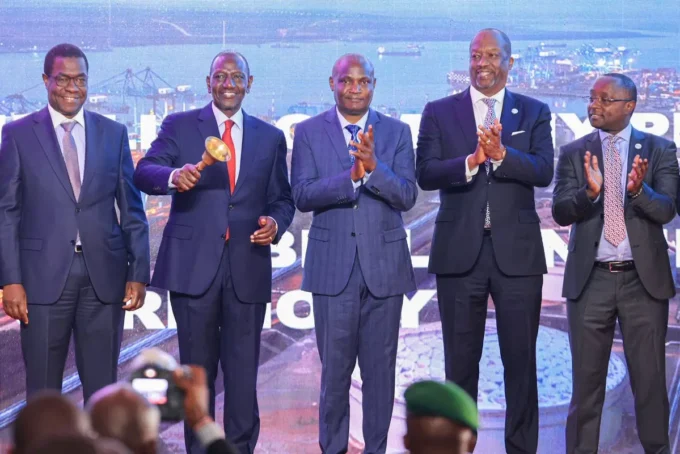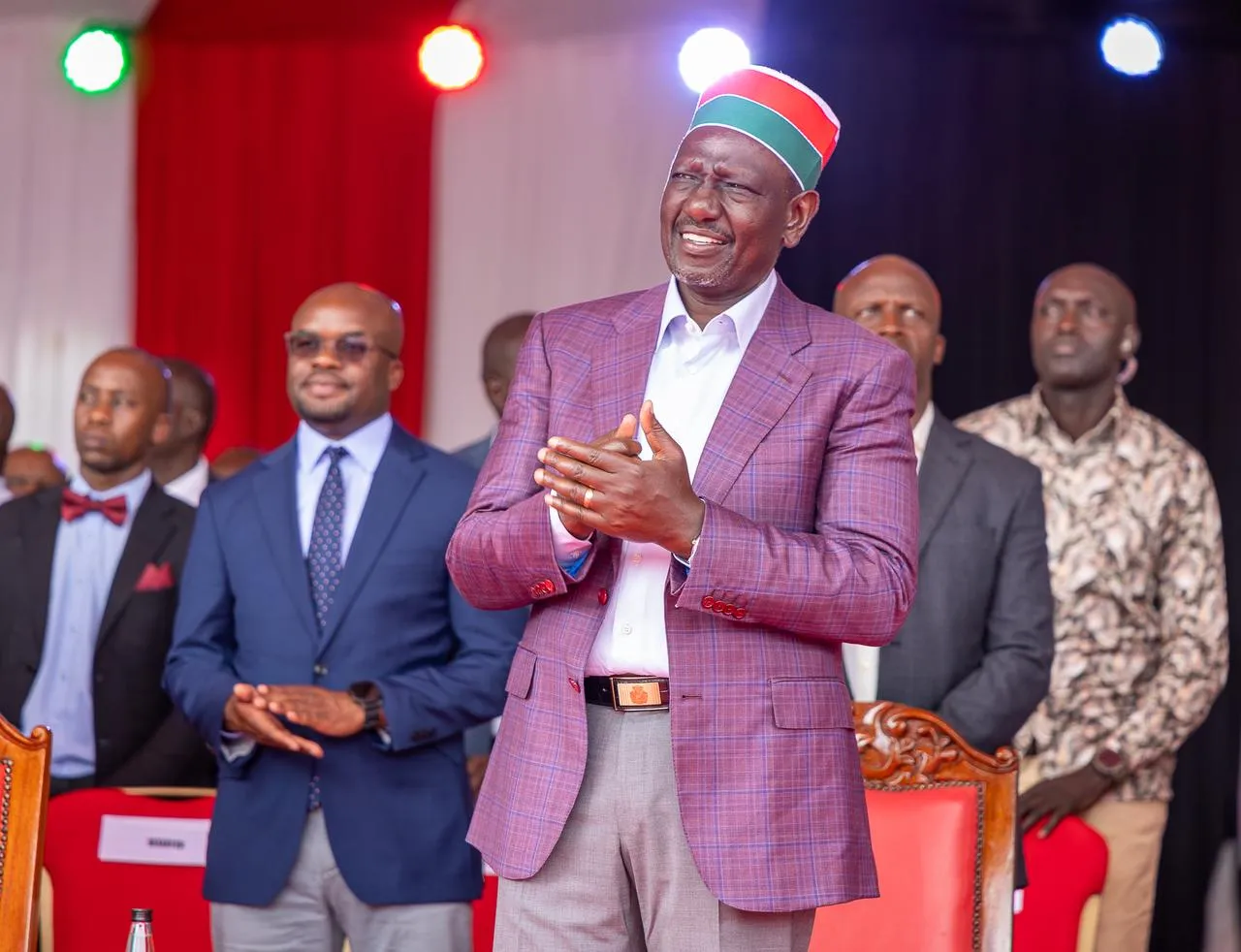
President William Ruto concluded a vigorous three-day development tour of Western Kenya, unveiling a comprehensive package of projects worth KSh 21 billion across Kakamega and Vihiga counties. The pledge comes amid a renewed focus on regional equity and national unity in the midst of Kenya’s evolving political landscape.
A region historically sidelined
Western Kenya has long been regarded as a region where infrastructure investment lagged behind national averages, even as the area contributes significantly in agriculture and trade. By making this high-value commitment during the tour, Ruto signalled an intent to change this dynamic and deliver tangible development.
During his stop at the Kakamega State Lodge, the President met grassroots leaders who laid out the region’s pressing needs—from inadequate roads and outdated markets to housing shortages and limited power connectivity. Through the newly announced investments, Ruto aims to address those deficiencies head-on.
Build the future you deserve. Get started with our top-tier Online courses: ACCA, HESI A2, ATI TEAS 7, HESI EXIT, NCLEX-RN, NCLEX-PN, and Financial Literacy. Let Serrari Ed guide your path to success. Enroll today.
The development package: what’s on offer
According to credible reporting, the KSh 21 billion package breaks down across major sectors in the region. Key allocations include:
- Approximately KSh 14 billion earmarked for affordable housing in the region. (nation.africa)
- KSh 2.5 billion allocated to the construction of a modern fresh-produce market. (westernkenyatimes.co.ke)
- Investments in airport upgrades and infrastructure — including the upgrade of the Kakamega Airport (or airstrip) and road networks connecting Kakamega and Vihiga. (citizen.digital)
- Additional funds channelled into health, education-infrastructure, and last-mile connectivity programmes, especially in Vihiga County. (westernkenyatimes.co.ke)
Together, these commitments form part of what the President described as a “new era” for Western Kenya—one in which the region receives equitable attention and investment.
Unity and the political agenda
Beyond infrastructure and development commitments, the tour carried a strong message of national unity and political repositioning. Ruto invoked his earlier agreement with the late Raila Odinga—calling for an end to “old politics” of division and hostility. “We said the politics of old must end, and the politics of hate must be buried,” he said in an address in Ikolomani Constituency. (citizen.digital)
The President’s remarks came alongside other leaders allied to his broad-based government, including Moses Wetangula, Speaker of the National Assembly, and Wycliffe Oparanya, the Cabinet Secretary for Cooperatives, who used the platform to emphasise the region’s inclusion in the national agenda. (citizen.digital)
By reinforcing the message that development will not favour one region over another, the administration appears determined to shift both the optics and substance of national investment.
What this means for Kakamega and Vihiga
Kakamega County
In Kakamega, the focus includes a major housing rollout, airport upgrading, and market development. Local officials welcomed the announcements but also tempered expectations, reminding residents of past pledges that stalled. The local governor, Fernandes Barasa, noted the importance of sustained follow-through and emphasised that local needs in water, health and roads remain high. (citizen.digital)
The airport upgrade is expected to improve connectivity not only within the county but across Western Kenya, encouraging trade, tourism and quicker movement of goods. Upgraded road links from Kakamega into neighbouring counties also aim to stimulate agribusiness and reduce rural isolation.
Vihiga County
While the bulk of the headline KSh 21 billion figure was focused on Kakamega, Vihiga also benefited from significant commitments. Ruto launched road-upgrading projects, education-infrastructure expansions such as student hostels, and power connectivity programmes targeted at bringing electricity to thousands of rural households. (westernkenyatimes.co.ke)
The emphasis on “last-mile” connectivity reflects the government’s push to ensure that basic utilities reach remote parts of Kenya, offering a foundation for further economic activity at the grassroots.
One decision can change your entire career. Take that step with our Online courses in ACCA, HESI A2, ATI TEAS 7, HESI EXIT, NCLEX-RN, NCLEX-PN, and Financial Literacy. Join Serrari Ed and start building your brighter future today.
Challenges and caveats
While the pronouncements were bold, observers and locals voiced caution. In many parts of Kenya, previous infrastructure pledges were delayed or came with budget overruns, leaving communities wary. For instance, one trader in Busia told a regional publication: “If he keeps his word, our lives will change … but we’ll celebrate when we see actual houses, not just stones being laid.” (westernkenyatimes.co.ke)
Challenges ahead include:
- Budget execution and project monitoring: Ensuring the funds are disbursed on schedule and projects are completed on time.
- Coordination with county governments: Delivery depends on collaboration between the national government and county authorities, who may have differing priorities or capacity constraints.
- Value-for-money concerns: Projects must not only be built, but built well, and deliver the promised economic and social benefits.
- Political expectations: With such a large package announced during a tour, expectations among residents will be high—and unmet expectations can lead to disillusionment or backlash.
Strategic significance in Kenyan politics
The timing and scale of the pledge reflect multiple strategic considerations. First, the region of Western Kenya has historically been considered a battleground in Kenya’s identity and electoral politics—securing its support signals political strength and influence. Second, by emphasizing region-wide development rather than favouring specific constituencies, the government reinforces its narrative of inclusivity. Third, the focus on infrastructure, housing and utilities aligns with the broader national agenda of promoting economic transformation, job creation and urbanisation.
For the President, delivering on these promises will bolster credibility. Should the projects materialise, they could help entrench support in a region where voters are increasingly aspirational and responsive to infrastructural delivery rather than rhetoric.
Economic impact and business opportunities
From a financial-analysis perspective, a KSh 21 billion infusion into this region has several implications:
- Job creation: Construction of housing, markets, transport links and utilities creates both direct and indirect employment opportunities—especially for youth and local artisans.
- Agribusiness stimulus: Better roads, market infrastructure and power supply can strengthen value-chains for Western Kenya’s strong agricultural sector (sugar, tea, fresh produce).
- Urbanisation and housing markets: Affordable-housing projects may increase demand in construction materials, local supply chains and complementary services.
- Regional trade and connectivity: Upgraded airports, markets and roads enhance inter-county and international trade potential—particularly with neighbouring Uganda and within the East African region.
For course-creation or media content around African infrastructure finance, this case offers a practical example of how governments bundle multi-sector interventions with political messaging to propel development agendas.
What stakeholders will watch now
- Implementation timelines: Observers will monitor when the housing units begin construction, when market complexes open and whether airports and roads meet stated deadlines.
- Procurement transparency: Ensuring contracts are awarded competitively and economically, especially given past concerns about cost-overruns or delays.
- Local content utilisation: Whether the projects genuinely engage local labour, small local contractors and artisans as stated.
- Benefit-distribution: Whether the outcomes (housing, markets, electricity) reach the intended communities and whether they alleviate regional disparities.
- Political follow-through: Whether the unity agenda remains front-and-centre, and whether development remains tied to inclusive governance rather than partisan optics.
Conclusion
The KSh 21 billion development pledge by President William Ruto during his Western Kenya tour marks a significant moment in the region’s development trajectory. By pairing substantial infrastructure and housing commitments with a message of national unity and region-wide inclusion, the government is signalling that Western Kenya is no longer to be left behind.
However, the true test lies not in announcements but in delivery. For residents of Kakamega, Vihiga and neighbouring counties, the promise of affordable homes, modern markets, better roads and enhanced power supply brings hope—but time will tell whether that hope translates into change on the ground. For analysts, course-creators and media commentators alike, this initiative provides a rich case study in governance, regional development, infrastructure investment and the political economy of infrastructure in Africa.
Ready to take your career to the next level? Join our Online courses: ACCA, HESI A2, ATI TEAS 7 , HESI EXIT , NCLEX – RN and NCLEX – PN, Financial Literacy!🌟 Dive into a world of opportunities and empower yourself for success. Explore more at Serrari Ed and start your exciting journey today! ✨
Track GDP, Inflation and Central Bank rates for top African markets with Serrari’s comparator tool.
See today’s Treasury bonds and Money market funds movement across financial service providers in Kenya, using Serrari’s comparator tools.
Photo source: Google
By: Montel Kamau
Serrari Financial Analyst
4th November, 2025