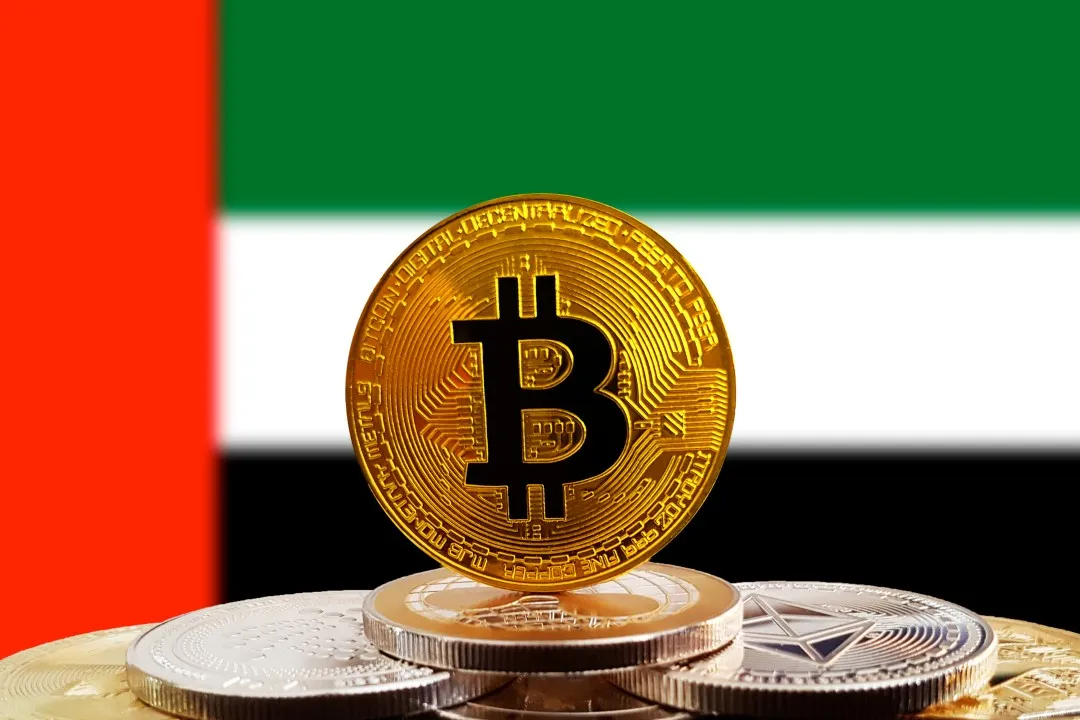
Institutional Momentum Behind Crypto in the Middle East
The cryptocurrency industry in the Middle East is undergoing a transformation, with institutional investors and wealthy family offices emerging as some of the strongest adopters. Ola Doudin, Co-founder and CEO of BitOasis, one of the region’s leading digital asset exchanges, noted that more than 90% of high-net-worth individuals and family offices across the region have expressed interest in crypto as a diversification strategy.
This marks a significant departure from the earlier years of crypto adoption, which were dominated by retail traders. The entry of family offices, sovereign wealth funds, and major corporates into the digital asset space suggests that crypto is no longer seen as speculative—it is increasingly viewed as a legitimate asset class within diversified portfolios.
Ready to level up your career? Join our expert-led Online courses in ACCA, HESI A2, ATI TEAS 7, HESI EXIT, NCLEX-RN, NCLEX-PN, and Financial Literacy. At Serrari Ed, we turn potential into achievement. Start your journey today!
Tokenisation: Beyond Real Estate into Mainstream Finance
One of the most transformative developments Doudin highlighted is the rise of tokenisation. Initially, tokenisation projects in the Middle East focused on real estate assets, such as fractionalized ownership of luxury properties in Dubai. Now, however, the scope has widened to include equities, bonds, commodities like gold, and even carbon credits.
Tokenisation allows traditional assets to be digitally represented on blockchains, enabling fractional ownership, instant settlement, and greater liquidity. For instance, a high-value corporate bond can be divided into smaller tokenized units, allowing a wider pool of investors to participate. This democratizes access to assets that were once available only to large institutions.
Analysts from Boston Consulting Group estimate that tokenised assets could represent a $16 trillion market by 2030, with the Middle East expected to capture a significant share due to its push for financial innovation.
The UAE as a Global Crypto Hub
The United Arab Emirates (UAE) has emerged as the regional hub for crypto adoption, thanks to its progressive regulatory framework. Authorities such as the Virtual Assets Regulatory Authority (VARA) in Dubai and the Abu Dhabi Global Market (ADGM) have crafted clear guidelines for exchanges, stablecoin issuers, and tokenisation platforms.
This clarity is attracting both startups and institutional players. Major global exchanges like Binance and Kraken have established operations in the UAE, while homegrown platforms such as BitOasis continue to scale. Regulatory certainty has also encouraged stablecoin adoption, making the UAE a center for cross-border settlements and remittances—critical in a region where remittance flows exceeded $60 billion in 2024, according to World Bank data.
Family Offices and Sovereign Wealth Funds Step In
A defining feature of the Middle East is the concentration of wealth in family-owned enterprises and sovereign wealth funds (SWFs). According to Preqin, SWFs in the region collectively manage assets worth over $4 trillion. Their growing interest in digital assets signals a profound shift in how capital is allocated.
Family offices, traditionally conservative investors with a preference for real estate and blue-chip equities, are now exploring crypto exposure through both direct token purchases and venture capital investments in blockchain startups. SWFs, such as Mubadala Investment Company, have publicly signaled interest in blockchain technology and Web3 infrastructure, underscoring the long-term strategic potential of digital assets.
Build the future you deserve. Get started with our top-tier Online courses: ACCA, HESI A2, ATI TEAS 7, HESI EXIT, NCLEX-RN, NCLEX-PN, and Financial Literacy. Let Serrari Ed guide your path to success. Enroll today.
Regulatory Balance: Innovation Meets Consumer Protection
While enthusiasm for digital assets is high, Ola Doudin emphasized the importance of regulation in ensuring safe adoption. She explained that frameworks must balance innovation and consumer protection, preventing misuse without stifling growth.
This approach is reflected in the UAE’s rules for crypto businesses. Exchanges are required to maintain robust compliance systems, including Know Your Customer (KYC) and Anti-Money Laundering (AML) procedures. Stablecoin issuers must hold 1:1 reserves in high-quality assets, ensuring customer protection and system stability.
Doudin noted that such regulation not only fosters investor confidence but also encourages traditional financial institutions to collaborate with blockchain companies, bridging the gap between old and new finance.
Crypto Adoption Drivers in the Middle East
Several factors are accelerating crypto adoption in the Middle East:
- Inflation Hedge and Diversification – With global market uncertainty and oil price volatility, wealthy individuals are seeking alternative stores of value.
- Cross-Border Payments – The Middle East is a major hub for migrant workers, making remittances a crucial financial activity. Cryptocurrencies provide faster and cheaper alternatives to traditional transfer systems.
- Youthful Demographics – Over 50% of the Middle East’s population is under 30, a demographic that is digitally native and more receptive to blockchain-based solutions.
- Institutional Infrastructure – The rise of regulated exchanges and custodians, such as BitOasis and Rain, gives investors secure access to crypto markets.
- Tokenisation Growth – As more traditional assets are digitized, investors can explore new avenues without leaving the regulated environment.
Crypto Beyond Investment: Building Web3 Economies
The Middle East is also emerging as a Web3 innovation hub. Dubai and Abu Dhabi have launched blockchain-friendly free zones, providing incentives for startups developing metaverse platforms, decentralized applications (dApps), and tokenised ecosystems.
Projects like Dubai’s metaverse strategy aim to add billions to GDP by 2030, creating jobs and fostering innovation in blockchain, VR, and AI integration. For wealthy investors and institutions, supporting crypto infrastructure now could yield significant long-term returns as Web3 economies expand.
The Road Ahead: Convergence of TradFi and DeFi
The expansion of tokenisation beyond real estate to equities, bonds, and commodities signals the convergence of traditional finance (TradFi) with decentralized finance (DeFi). Institutions are no longer ignoring DeFi but rather adapting it to regulated contexts.
For example, tokenised government bonds could one day be traded on blockchain platforms with real-time settlement, reducing counterparty risks. Commodities like gold are already being digitally represented on blockchains, offering investors a hybrid of stability and liquidity.
BitOasis, under Doudin’s leadership, is positioning itself at the heart of this transformation, acting as a bridge between traditional institutions and blockchain ecosystems.
Conclusion: Middle East at the Forefront of Institutional Crypto
The narrative around crypto in the Middle East has shifted dramatically. What began as an experiment driven by tech-savvy retail traders has matured into an institutional movement, powered by family offices, sovereign wealth funds, and corporates.
With tokenisation extending across asset classes and regulatory clarity fostering innovation, the region is poised to become a global leader in digital asset adoption. As Ola Doudin put it, regulation will be the backbone of this growth, ensuring that crypto adoption is not only widespread but also sustainable.
For now, one thing is clear: the Middle East is not just participating in the crypto revolution—it is actively shaping the future of finance by merging traditional wealth structures with blockchain innovation.
Ready to take your career to the next level? Join our Online courses: ACCA, HESI A2, ATI TEAS 7 , HESI EXIT , NCLEX – RN and NCLEX – PN, Financial Literacy!🌟 Dive into a world of opportunities and empower yourself for success. Explore more at Serrari Ed and start your exciting journey today! ✨
Track GDP, Inflation and Central Bank rates for top African markets with Serrari’s comparator tool.
See today’s Treasury bonds and Money market funds movement across financial service providers in Kenya, using Serrari’s comparator tools.
Photo source: Google
By: Montel Kamau
Serrari Financial Analyst
2nd October, 2025