
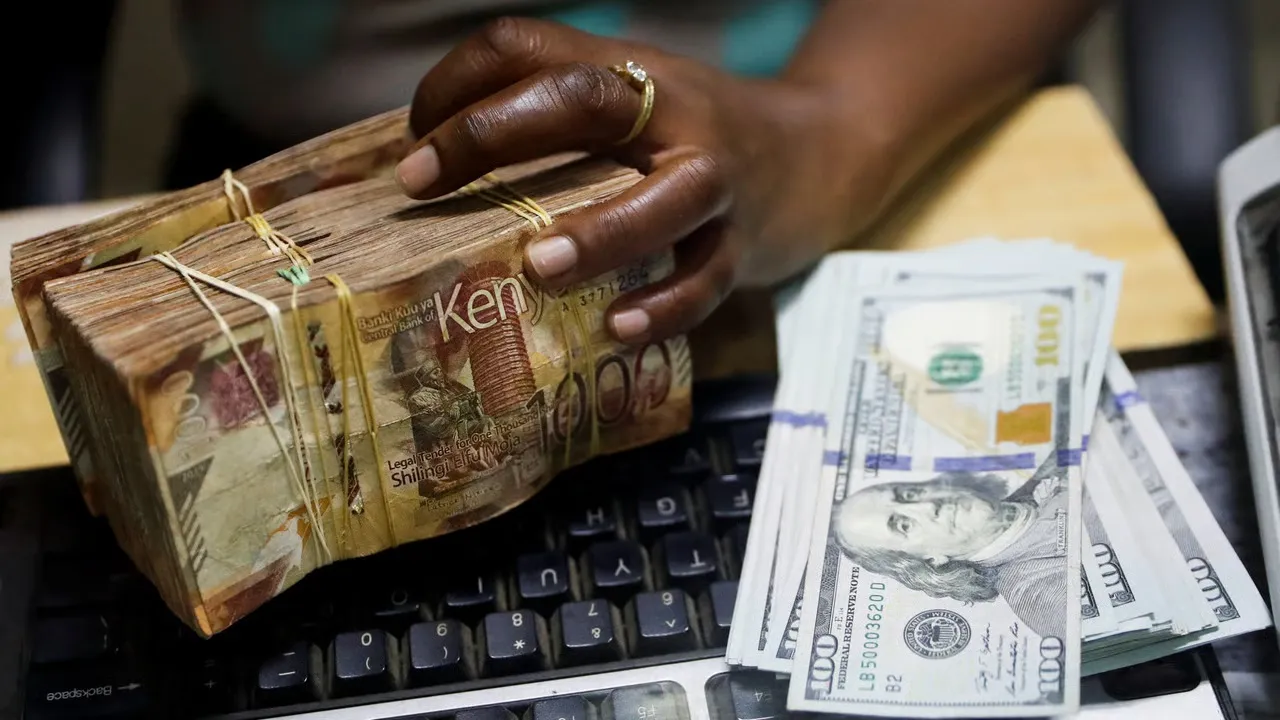
Kenya has launched an ambitious $1 billion buyback offer targeting its February 2028 Eurobond, coupled with the simultaneous sale of new notes to finance the repurchase operation, the government announced Thursday. The strategic move represents the East African nation’s latest effort to proactively manage its debt maturity schedule and avoid the kind of currency crisis that threatened its financial stability ahead of a major bond payment last year.
The Kenyan government, which has been working systematically to reduce its overall debt burden—currently standing at close to 70% of gross domestic product—aims to make future debt repayments more manageable and predictable. The debt restructuring initiative comes as developing nations worldwide grapple with elevated borrowing costs and the challenge of refinancing obligations taken on during more favorable market conditions.
Build the future you deserve. Get started with our top-tier Online courses: ACCA, HESI A2, ATI TEAS 7, HESI EXIT, NCLEX-RN, NCLEX-PN, and Financial Literacy. Let Serrari Ed guide your path to success. Enroll today.
Finance Minister Outlines Debt Management Overhaul
Finance Minister John Mbadi told Reuters that Kenya has fundamentally revamped its approach to debt maturity management following last year’s near-crisis, when the Kenyan shilling weakened sharply in the months leading up to a significant Eurobond maturity in June 2024. Market anxiety about the government’s capacity to meet that substantial obligation without defaulting had triggered capital flight and currency depreciation.
“We don’t want the same story to be repeated so we are managing 2028 (maturity) now to smoothen the curve,” Mbadi explained, emphasizing the government’s commitment to avoiding the kind of last-minute scrambling that characterized the 2024 repayment period.
The proactive strategy reflects lessons learned from that challenging episode, when Kenya faced mounting pressure from international investors and credit rating agencies scrutinizing its debt sustainability. By addressing the 2028 maturity well in advance, the government aims to demonstrate fiscal responsibility and maintain investor confidence in Kenya’s sovereign debt.
Comprehensive Debt Reduction Strategy
The current bond buyback represents just one element of a broader debt management campaign that Kenya has pursued throughout 2025. Earlier this year, the government successfully bought back another Eurobond scheduled to mature in 2027, reducing the concentration of repayment obligations in that year and spreading the fiscal burden more evenly across time.
Additionally, the Kenyan government has paid off a substantial 60 billion shilling ($465 million) debt owed to the African Export-Import Bank (also known as the Trade and Development Bank), further reducing pressure on public coffers and demonstrating the administration’s commitment to honoring its obligations to multilateral African financial institutions.
“Reducing the pressure on public finances” has become a central objective of the National Treasury, Minister Mbadi noted, as Kenya seeks to create fiscal space for critical development spending in infrastructure, healthcare, and education while maintaining debt sustainability.
Technical Details of the Buyback Operation
The repurchase offer, which officially commenced on October 2 and will run through October 9, was formally announced through a statement filed with the London Stock Exchange, where Kenya’s Eurobonds are listed and traded. The tight one-week window reflects the government’s confidence that it has already secured sufficient investor interest through preliminary market soundings.
To finance the buyback of the 2028 bonds, Kenya is simultaneously issuing a new 7-year amortized bond with a final maturity date of October 2033. The amortization structure—meaning the principal will be repaid gradually over the life of the bond rather than in a single lump sum at maturity—is designed to further smooth Kenya’s repayment obligations and avoid the kind of concentrated maturity that can trigger market anxiety.
The new bond issuance demonstrates Kenya’s continued access to international capital markets, even as global borrowing conditions have tightened considerably compared to the ultra-low interest rate environment that prevailed in the years following the COVID-19 pandemic. African sovereigns have faced particular challenges accessing affordable financing as investors demand higher risk premiums for emerging market debt.
Kenya’s Debt Burden in Regional Context
Kenya’s debt-to-GDP ratio of approximately 70% places it among the more heavily indebted nations in sub-Saharan Africa, though it remains below the levels seen in some other regional economies. The International Monetary Fund generally considers debt levels above 60% of GDP to be elevated for emerging market economies, particularly those with limited revenue collection capacity and exposure to external shocks.
The composition of Kenya’s debt has shifted significantly over the past decade, with external commercial borrowing—including Eurobonds—playing an increasingly important role alongside traditional financing from multilateral development banks like the World Bank and bilateral creditors, particularly China through infrastructure projects under the Belt and Road Initiative.
This shift toward market-based financing brought benefits during the period of low global interest rates, allowing Kenya to finance ambitious infrastructure projects and support economic growth. However, it has also exposed the country to refinancing risks as these bonds mature, particularly given the volatility of frontier market debt and the quick shifts in investor sentiment that can occur.
One decision can change your entire career. Take that step with our Online courses in ACCA, HESI A2, ATI TEAS 7, HESI EXIT, NCLEX-RN, NCLEX-PN, and Financial Literacy. Join Serrari Ed and start building your brighter future today.
Lessons from the 2024 Currency Crisis
The sharp depreciation of the Kenyan shilling in late 2023 and early 2024 served as a wake-up call for policymakers. As the June 2024 Eurobond maturity approached, foreign exchange reserves at the Central Bank of Kenya came under pressure as investors worried about the government’s ability to source the necessary dollars for repayment without depleting reserves to dangerously low levels.
The currency weakness created a vicious cycle: as the shilling depreciated, the local currency cost of servicing dollar-denominated debt increased, further straining public finances and reinforcing market concerns. Import costs rose, contributing to inflationary pressures that complicated the Central Bank’s monetary policy decisions.
Kenya ultimately met the 2024 obligation, helped in part by a $1.5 billion syndicated loan facility arranged through international banks and support from development partners. However, the episode highlighted the vulnerability created by bunched debt maturities and the importance of proactive liability management.
Structural Reforms and Revenue Enhancement
Beyond debt restructuring operations, Kenya has implemented various structural reforms aimed at improving its fiscal position and enhancing debt sustainability over the medium term. These include efforts to broaden the tax base, improve revenue collection efficiency through digitization, and reduce revenue leakages through corruption and inefficiency.
The Kenya Revenue Authority has introduced new technologies and compliance measures designed to capture previously untaxed economic activity, particularly in the informal sector which comprises a substantial portion of Kenya’s economy. Enhanced customs procedures and cooperation with international partners have targeted trade-related revenue collection.
On the expenditure side, the government has pledged to eliminate wasteful spending, streamline government operations, and improve the efficiency of public service delivery. Development partners have emphasized the importance of these reforms as conditions for continued budget support and concessional financing.
Political and Economic Headwinds
Kenya’s debt management efforts unfold against a backdrop of significant political and economic challenges. The country experienced substantial political unrest in mid-2023 when the government attempted to introduce tax increases to boost revenues, leading to widespread protests and the eventual withdrawal of some proposed measures.
This political resistance to revenue-raising measures has complicated fiscal consolidation efforts, leaving debt management and expenditure control as the primary tools for improving Kenya’s fiscal position. The government must carefully balance the need for fiscal prudence with the political imperative of maintaining public services and supporting economic growth.
Economic growth has remained positive but below the government’s ambitious targets, constrained by factors including periodic droughts affecting the crucial agricultural sector, elevated inflation that has weighed on consumer spending, and tight monetary policy aimed at stabilizing the currency and controlling price pressures.
Regional Leadership and International Standing
As East Africa’s largest and most diversified economy, Kenya plays a crucial leadership role in regional economic integration efforts. The country serves as the headquarters for numerous international organizations and regional bodies, and Nairobi functions as a major financial and commercial hub for the broader East African region.
Kenya’s financial stability and debt sustainability therefore have implications beyond its borders, affecting regional confidence and the investment climate across the East African Community trading bloc. Successful management of its debt challenges could provide a template for other African nations facing similar issues.
The country has maintained generally positive relationships with international financial institutions, even as it navigates the complex politics of debt sustainability. Kenya is currently implementing an IMF program that provides policy guidance and financial support conditional on implementing agreed reforms.
Market Response and Investor Sentiment
The reception to Kenya’s debt management initiatives among international investors will be crucial in determining borrowing costs going forward. Early indications suggest cautious optimism, with investors appreciating the proactive approach to managing the 2028 maturity rather than waiting until the last moment.
Credit rating agencies have noted Kenya’s efforts positively, though the country’s sovereign ratings remain in the speculative grade category, reflecting continued concerns about debt levels, fiscal pressures, and exposure to both external and domestic shocks. Improvements in Kenya’s credit ratings would significantly reduce future borrowing costs.
The success of the current bond buyback and new issuance will provide important signals about market confidence in Kenya’s fiscal trajectory. Strong demand for the new 2033 bonds at reasonable interest rates would validate the government’s approach and potentially facilitate future liability management operations.
Looking Ahead: Sustainable Debt Path
Kenya’s debt management strategy must balance immediate pressures with long-term sustainability objectives. While buyback operations and maturity extensions provide short-term relief, achieving genuine debt sustainability will require sustained economic growth, improved revenue collection, expenditure discipline, and continued access to affordable financing.
The government has set ambitious targets for reducing the debt-to-GDP ratio over the medium term, though achieving these goals will depend on multiple factors including global economic conditions, commodity prices affecting Kenya’s export earnings, and the success of domestic reforms.
Climate change poses an additional challenge, with Kenya vulnerable to droughts and floods that disrupt agriculture and require emergency spending. Building climate resilience while managing debt sustainability represents a complex policy challenge requiring support from international development partners.
As the October 9 deadline for the bond buyback offer approaches, financial markets will closely watch the results as an indicator of both investor confidence in Kenya and the government’s commitment to prudent debt management. The outcome will significantly influence Kenya’s financial market access and borrowing costs for years to come, with important implications for the country’s development trajectory and economic prospects.
Ready to take your career to the next level? Join our Online courses: ACCA, HESI A2, ATI TEAS 7 , HESI EXIT , NCLEX – RN and NCLEX – PN, Financial Literacy!🌟 Dive into a world of opportunities and empower yourself for success. Explore more at Serrari Ed and start your exciting journey today! ✨
Track GDP, Inflation and Central Bank rates for top African markets with Serrari’s comparator tool.
See today’s Treasury bonds and Money market funds movement across financial service providers in Kenya, using Serrari’s comparator tools.
Photo source: Google
By: Montel Kamau
Serrari Financial Analyst
3rd October, 2025