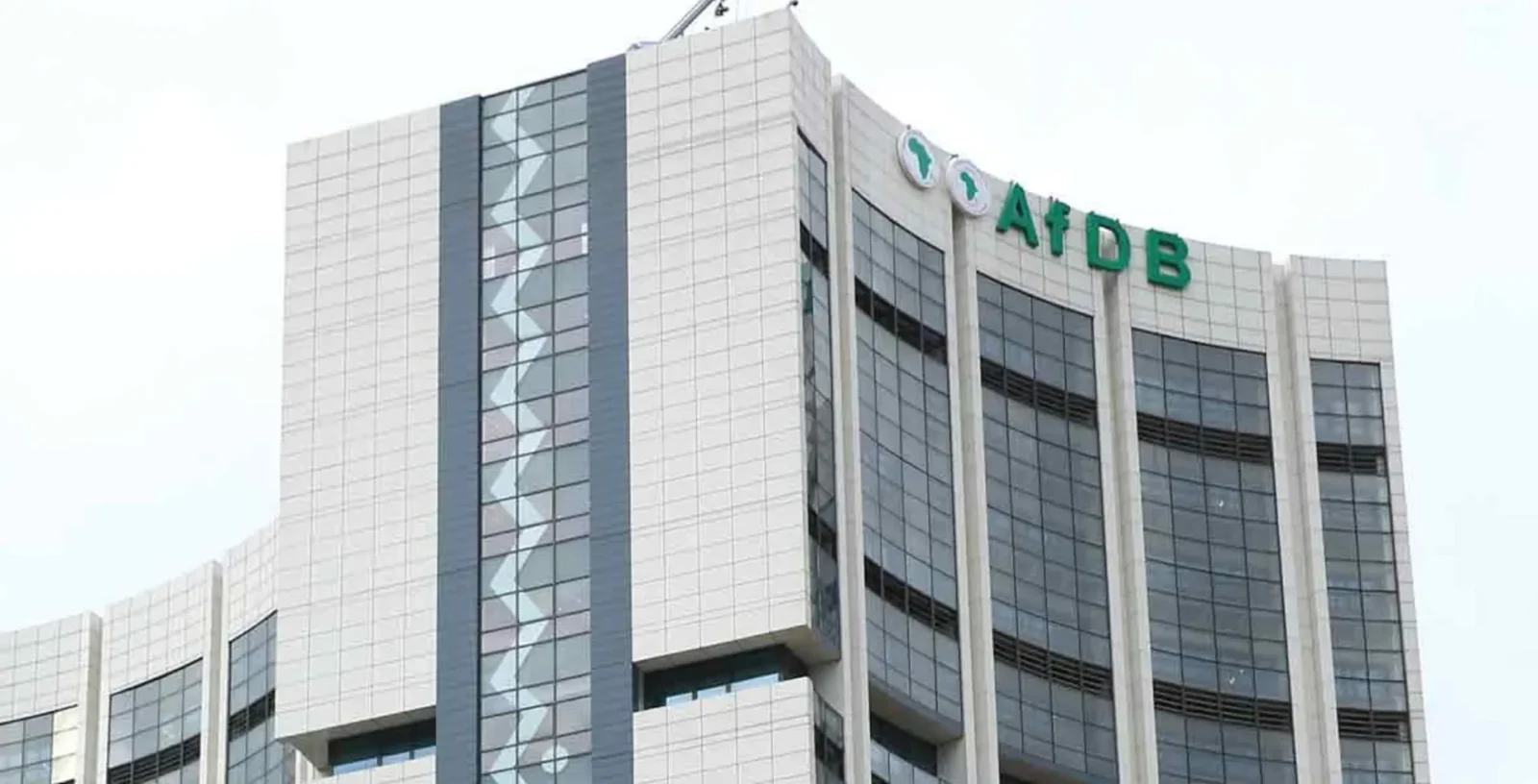
The Board of Directors of the African Development Bank Group has approved a strategic equity investment of $25 million in The Currency Exchange Fund (TCX), marking a pivotal step toward addressing Africa’s mounting debt challenges and currency mismatch problems that have plagued the continent’s development financing landscape.
This groundbreaking partnership comes at a critical time when Africa’s debt crisis has reached unprecedented levels, with the continent’s total external debt rising from $1.12 trillion in 2022 to $1.152 trillion by end-2023, according to AfDB estimates. The investment represents more than just financial backing—it signals a fundamental shift toward innovative solutions for one of Africa’s most persistent development challenges.
One decision can change your entire career. Take that step with our Online courses in ACCA, HESI A2, ATI TEAS 7, HESI EXIT, NCLEX-RN, NCLEX-PN, and Financial Literacy. Join Serrari Ed and start building your brighter future today.
Addressing the Currency Mismatch Challenge
The investment in TCX, a Netherlands-based development finance initiative established in 2007, will strengthen the fund’s capital base, enhance its risk-bearing capacity, and expand its ability to offer hedging instruments in illiquid and less liquid currencies across the African continent. The transaction specifically targets the foreign exchange risks faced by borrowers in Africa, particularly those operating in fragile states and underserved markets where conventional hedging mechanisms are either underdeveloped or entirely unavailable.
Currency mismatch has emerged as a critical factor in Africa’s debt distress. When African borrowers take loans in foreign currencies like US dollars or euros but generate revenue in local currencies, they become extremely vulnerable to exchange rate fluctuations. This phenomenon, known as “original sin” in development economics, has contributed significantly to the continent’s current debt emergency.
Ahmed Attout, Director of the Financial Sector Development Department at the African Development Bank Group, emphasized the strategic importance of this investment: “This investment in TCX marks an important milestone in the Bank’s effort to deepen African capital markets and address the root causes of debt distress. The Bank’s support to TCX will unlock local currency financing for MSMEs, infrastructure and many sectors across Africa.”
The Scale of Africa’s Debt Emergency
The investment comes amid a broader African debt crisis that has reached alarming proportions. According to recent analysis, African countries collectively owe more than $1.8 trillion, with twenty-three African countries experiencing financial distress and three having either defaulted or sought formal debt restructuring as of 2024.
The human cost of this debt burden is staggering. Nearly 57% of the African population, approximately 751 million people, live in countries that spend more on interest payments than on critical sectors like health and education. The situation has worsened dramatically, with interest payments now absorbing 16.7% of government revenue across Africa in 2023—the highest among developing regions and 10.1 percentage points higher than in 2010.
This debt servicing burden has created a vicious cycle where African countries must dedicate increasing shares of their budgets to debt service rather than development spending. Of the 49 African countries with available data, 30 spent more on interest payments than on public health in 2023, highlighting the devastating impact on social services and development outcomes.
TCX: A Proven Solution for Currency Risk Management
TCX operates as a development-focused fund that provides tailor-made foreign exchange hedging instruments to enable local currency lending in countries where conventional hedging markets are either underdeveloped or non-existent. Since its establishment, TCX has hedged more than $17 billion in notional amounts globally, including over $4 billion across 31 African countries.
The fund’s unique role becomes particularly crucial in fragile and low-income countries, where around 18% of its global outstanding portfolio is currently focused. By offering derivative instruments—including cross-currency swaps and FX forwards—in currencies not or insufficiently covered by commercial parties, TCX fills a critical gap in the development finance ecosystem.
Ruurd Brouwer, TCX’s Chief Executive Officer, welcomed the AfDB’s participation: “We are thrilled to welcome African Development Bank Group to TCX’s capital base, joining fellow development finance institutions, impact investors and governments that support our local currency hedging solution. It marks the start of a close partnership in protecting AfDB’s public and private sector borrowers from currency risk and promoting the development of African capital markets.”
Strategic Alignment with AfDB’s Development Goals
This investment aligns seamlessly with the Bank’s Ten-Year Strategy 2024-2033 and complements its broader capital markets strategy, which includes support for local currency bond issuance, Partial Credit Guarantees, and private sector local currency lending. The partnership represents a sophisticated approach to addressing systemic challenges in African development finance.
The investment is expected to facilitate increased hedging volumes in priority sectors including public sector institutions such as Debt Management Offices and Public Development Banks, infrastructure projects, energy access initiatives, microfinance institutions, and small and medium enterprise development. This comprehensive approach addresses multiple layers of the African economy simultaneously.
Broader Context: Africa’s Financial Architecture Challenges
The AfDB-TCX partnership emerges against the backdrop of widespread calls for reforming the global financial architecture. The African Union’s first Debt Conference held in Lomé, Togo, in May 2025, brought together heads of state, finance ministers, and international partners to address the continent’s growing debt crisis and chart a path toward fiscal sustainability.
The conference highlighted how current global mechanisms for debt relief have proven inadequate for Africa’s needs. A large share of African debt is owed to private creditors who are not obligated to participate in international debt relief frameworks, complicating efforts to address the crisis through traditional channels.
The “Africa premium”—the higher interest rates that African countries must pay when accessing capital markets—has become a particular focus of reform efforts. Despite data showing that default rates in Africa are actually lower than in other regions (5.5% compared to 8.5% in Asia and 13% in Latin America), African borrowers continue to face disproportionately high borrowing costs.
Build the future you deserve. Get started with our top-tier Online courses: ACCA, HESI A2, ATI TEAS 7, HESI EXIT, NCLEX-RN, NCLEX-PN, and Financial Literacy. Let Serrari Ed guide your path to success. Enroll today.
Currency Volatility and Its Development Impact
The timing of the AfDB investment is particularly significant given recent currency volatility across the continent. Nigeria’s naira lost nearly 95% of its value between 2023 and 2024, while Egypt’s currency depreciated by 50% since 2023. Such dramatic currency swings have devastated borrowers with foreign currency obligations, making local currency financing solutions more critical than ever.
The Currency Exchange Fund’s model addresses this challenge by swapping hard currency funding into local currency loans, making debt financing predictable for borrowers. This approach enables lenders to offer appropriate products while allowing local counterparties to focus on growing their businesses rather than managing exchange rate risk.
Building Toward Sustainable Development Finance
The partnership represents more than a financial transaction—it embodies a new approach to development finance that prioritizes sustainability and local market development. By reducing currency mismatches, the initiative supports the broader goal of creating more resilient financial systems across Africa.
The investment will “crowd in” additional Development Finance Institutions (DFIs) and private investors, reinforcing Africa’s integration into global capital markets while supporting sustainable growth. This multiplier effect is crucial for scaling local currency financing solutions across the continent.
Technical Innovation in Development Finance
TCX’s approach represents cutting-edge financial innovation in development finance. The fund can provide currency hedging in over 100 currencies worldwide, with tenors ranging from seven to 30 years. This long-term horizon is particularly important for infrastructure and development projects that require extended financing periods.
The fund’s collaboration with institutions like the International Finance Corporation (IFC) creates comprehensive risk mitigation packages, with TCX handling currency risks while the IFC manages credit risks. This coordinated approach has proven effective in mobilizing private sector investment in challenging markets.
Looking Forward: Scaling Local Currency Solutions
The AfDB investment comes at a time when demand for local currency hedging solutions far exceeds current supply. According to development finance experts, if even a quarter of new loans from major development institutions were denominated in local currency, it would require approximately $25 billion in hedging capacity—far beyond current global capabilities.
TCX currently maintains $1.389 billion worth of capital supporting $4.1 billion in hedges, with about $659 million available as capital cushion for business expansion. The AfDB investment will significantly enhance this capacity while demonstrating continued confidence in the local currency financing model.
Regional Integration and Market Development
The partnership also supports broader regional integration efforts across Africa. By facilitating local currency financing, the initiative contributes to the development of domestic capital markets, reducing dependence on foreign currency borrowing and building more resilient financial systems.
This approach aligns with the African Union’s development agenda and the African Continental Free Trade Area (AfCFTA) objectives, which emphasize intra-African trade and financial integration. Local currency financing reduces transaction costs and exchange rate risks in cross-border trade and investment.
Measuring Success: Development Impact Indicators
The success of this partnership will be measured through several key indicators: increased volumes of local currency financing, reduced borrowing costs for African institutions, expanded access to long-term development finance, and strengthened domestic capital markets. The investment is expected to deliver strong development impact by addressing fundamental structural challenges in African finance.
The African Development Bank remains committed to fostering resilient capital markets in Africa, supporting de-risking mechanisms for the private sector, and expanding access to local currency finance to promote inclusive and sustainable development. This commitment reflects a broader understanding that addressing Africa’s development challenges requires innovative financial solutions that go beyond traditional lending approaches.
Conclusion: A New Chapter in Development Finance
The AfDB’s $25 million investment in TCX represents more than a capital injection—it signals a new chapter in African development finance characterized by innovative risk management, local market development, and sustainable financing solutions. As Africa faces its most severe debt crisis in decades, partnerships like this offer hope for breaking the cycle of foreign currency dependency and building more resilient economies.
The initiative demonstrates that addressing Africa’s development challenges requires sophisticated financial innovation, strong partnerships between development institutions, and a commitment to building local capacity. By supporting local currency financing solutions, the AfDB and TCX are not just mitigating immediate risks—they are laying the foundation for more sustainable and equitable development finance across the continent.
This strategic partnership arrives at a crucial moment when 2025 has been declared the Year of Reparations by the African Union and designated as a Jubilee Year by the Pope—a time traditionally associated with debt forgiveness. The convergence of these symbolic declarations with practical financial innovations like the AfDB-TCX partnership suggests that 2025 could indeed mark a turning point in addressing Africa’s debt emergency and building more sustainable development finance systems for the future.
Ready to take your career to the next level? Join our Online courses: ACCA, HESI A2, ATI TEAS 7 , HESI EXIT , NCLEX – RN and NCLEX – PN, Financial Literacy!🌟 Dive into a world of opportunities and empower yourself for success. Explore more at Serrari Ed and start your exciting journey today! ✨
Track GDP, Inflation and Central Bank rates for top African markets with Serrari’s comparator tool.
See today’s Treasury bonds and Money market funds movement across financial service providers in Kenya, using Serrari’s comparator tools.
Photo source: Google
By: Montel Kamau
Serrari Financial Analyst
19th September, 2025