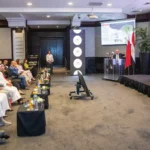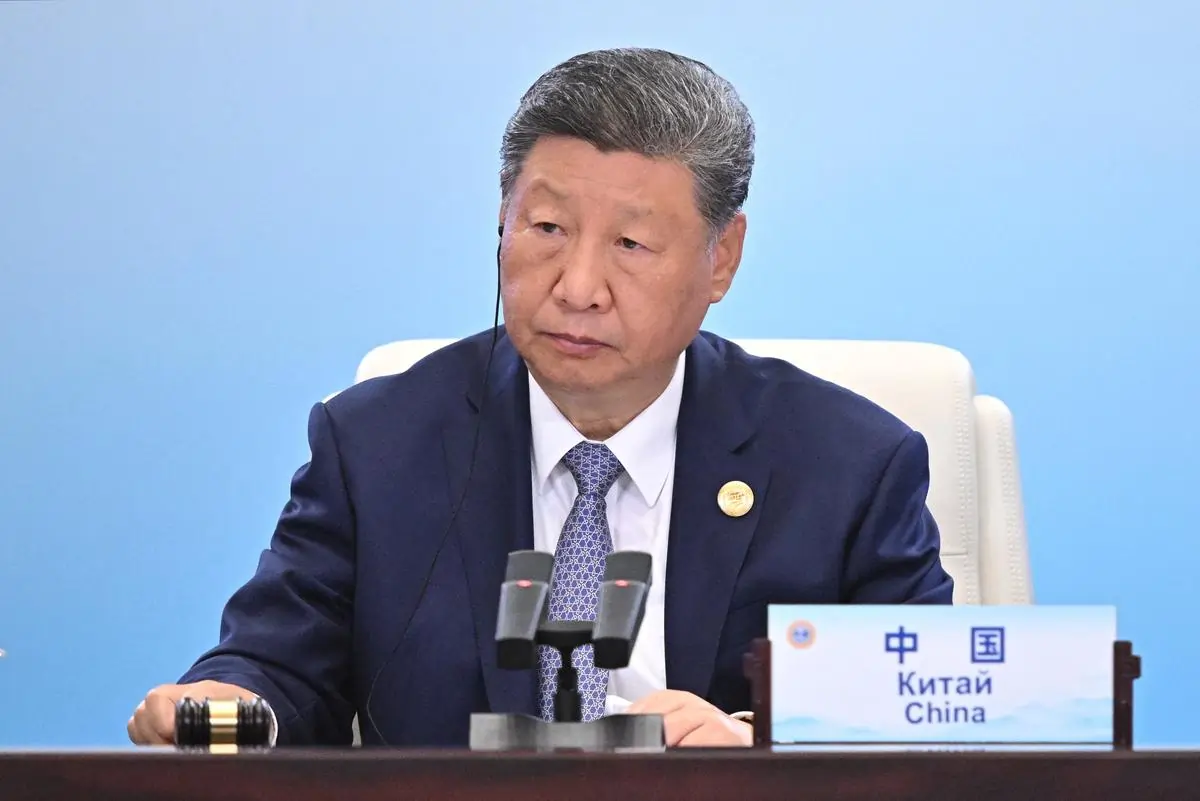
Chinese President Xi Jinping announced ambitious plans to accelerate the creation of a development bank and establish an international energy cooperation platform at the largest-ever summit of the Shanghai Cooperation Organization (SCO) in Tianjin, China. The historic gathering on September 1, 2025, brought together leaders from Russia, India, and eight other nations in what represents an emerging challenge to U.S. global leadership, particularly as President Trump’s aggressive tariff policies drive key allies closer to Beijing and Moscow.
Build the future you deserve. Get started with our top-tier Online courses: ACCA, HESI A2, ATI TEAS 7, HESI EXIT, NCLEX-RN, NCLEX-PN, and Financial Literacy. Let Serrari Ed guide your path to success. Enroll today.
Historic Summit in Numbers
Record Participation
The 2025 Tianjin SCO Summit marked the 25th Heads of State Council meeting and was the largest summit in the organization’s history. With 27 total members and partners, the combined group represents countries across Central and Southeast Asia, including economic powerhouses China, India, and Russia, along with Iran and others.
Expanding Membership
Laos joined the SCO as a dialogue partner, bringing the total number of members and partners to 27. The organization, founded in Shanghai in 2001, has expanded from six founding members into the world’s largest regional organization with cooperation covering more than 50 areas and a combined economic output representing significant global influence.
Major Announcements
The summit saw the signing and adoption of key documents, including the Tianjin Declaration and a development strategy for the organization for 2026-2035, charting the SCO’s blueprint for the next decade. Four new SCO centers were inaugurated to counter security threats, tackle transnational organized crimes, improve information security, and strengthen anti-drug cooperation.
Xi’s Vision for Global Leadership
Financial Infrastructure Development
Xi announced that China would accelerate the creation of an SCO development bank, representing a significant challenge to Western-dominated international financial institutions. The Chinese president pledged $1.4 billion in loans over the next three years to organization members, demonstrating Beijing’s commitment to providing alternative financing mechanisms.
Technological Independence Initiative
In a direct challenge to U.S. technological dominance, Xi opened access to China’s BeiDou satellite system for SCO member states. This GPS alternative controlled by China offers participating nations reduced dependence on U.S.-controlled navigation systems, marking a significant step toward technological sovereignty.
Comprehensive Aid Package
China announced it would provide 2 billion yuan (approximately $281 million) in grants to other SCO member states within the year, along with an additional 10 billion yuan in loans to member banks of the SCO Interbank Consortium over the next three years. The package also includes 100 “small and beautiful” livelihood projects and the establishment of 10 Luban Workshops providing 10,000 human resources training opportunities.
Putin’s Strategic Support
Endorsement of Chinese Leadership
Russian President Vladimir Putin expressed strong support for Xi’s initiatives, stating he believes the SCO “could take on the leading role in efforts to form a more just and equal system of global governance in the world.” This endorsement reflects the deepening strategic partnership between Beijing and Moscow in challenging Western hegemony.
Alternative World Order Vision
Putin echoed Xi’s themes in his address, expressing support for creating “a new, more effective and functional system of global governance.” The Russian leader emphasized the need to reform international institutions dominated by Western powers, particularly the International Monetary Fund and World Bank.
Economic Cooperation Against Sanctions
In an interview with China’s state news agency Xinhua, Putin said Russia and China were jointly “against discriminatory sanctions” that hurt global socioeconomic development, describing the use of finance as “an instrument of neocolonialism” that runs counter to the interests of the global majority.
Modi’s Balancing Act Under Pressure
Strained U.S. Relations
Indian Prime Minister Narendra Modi‘s participation in the summit came against the backdrop of severely strained relations with Washington. President Donald Trump has imposed punitive tariffs of up to 50% on Indian goods as punishment for New Delhi’s continued purchases of Russian oil, marking a dramatic deterioration in U.S.-India relations.
China-India Rapprochement
Modi’s first visit to China in seven years included a significant bilateral meeting with Xi on Sunday, where both leaders pledged to resolve their longstanding border dispute. Xi stated that economic development should be their focus, adding, “As long as they remain committed to the overarching goal of being partners, not rivals, China-India relations will flourish.”
Russia Partnership Reaffirmation
Modi met with Putin in a highly publicized display of friendship, including a nearly one-hour private conversation in Putin’s armored limousine. The Indian leader called their meeting “excellent” and emphasized the importance of Russia-India special relations, defying U.S. pressure to distance New Delhi from Moscow.
Fuel your success with knowledge that matters. Enroll in our Online programs: ACCA, HESI A2, ATI TEAS 7, HESI EXIT, NCLEX-RN, NCLEX-PN, and Financial Literacy. Join Serrari Ed now and take control of your future.
Trump Administration’s Strategic Missteps
Counterproductive Tariff Strategy
Trump’s aggressive tariff policies appear to be backfiring spectacularly, driving traditional allies closer to America’s strategic competitors. The 50% tariffs on India represent among the highest duties the U.S. charges any trading partner, comparable only to sanctions targets like Syria and Myanmar.
Diplomatic Isolation
White House advisor Peter Navarro expressed frustration with Modi’s embrace of Putin and Xi, stating: “It was a shame to see Modi getting in bed, as the leader of the biggest democracy in the world, with the two biggest authoritarian dictators in the world.” However, analysts suggest Trump’s own policies have pushed Modi toward this alignment.
Failed Economic Leverage
Despite imposing severe economic penalties, Trump’s strategy has failed to change Indian behavior regarding Russian oil purchases. Instead, it has accelerated India’s pivot toward alternative partnerships with China and Russia, undermining decades of careful U.S. diplomatic investment in the Indo-Pacific region.
Regional Security and Cooperation Framework
Current Membership Structure
The SCO now includes Russia, Belarus, China, India, Iran, Kazakhstan, Kyrgyzstan, Pakistan, Tajikistan, and Uzbekistan as full members. Afghanistan and Mongolia serve as observer states, while 14 other countries maintain dialogue partner status.
Security Cooperation Focus
The organization remains primarily centered on security-related concerns, with its stated mission to combat terrorism, separatism, and extremism. The Regional Anti-Terrorist Structure (RATS), headquartered in Tashkent, serves as the coordination hub for joint counter-terrorism efforts among member states.
Economic Integration Initiatives
Beyond security cooperation, the SCO has expanded into economic collaboration, with Xi emphasizing enhanced cooperation in energy, infrastructure, green industry, digital economy, science and technology innovation, and artificial intelligence. China’s investment stock in other SCO member states has exceeded $84 billion.
Geopolitical Implications and Analysis
Challenge to Western Hegemony
The Tianjin summit represents a significant milestone in the evolution of alternative international institutions challenging Western-dominated global governance. As Xi emphasized, countries should reject “Cold War thinking, rival power blocs and bullying” while building a multipolar world order.
Economic Bloc Formation
The SCO’s combined membership governs approximately 40% of the global population and presides over vast energy reserves, making it a formidable economic bloc. The proposed development bank could provide an alternative to Western financial institutions, reducing dependence on dollar-denominated international finance.
Strategic Realignment Accelerating
Trump’s tariff policies are inadvertently accelerating strategic realignments that work against U.S. interests. As one analyst noted, “China is on a diplomatic uptick and the U.S. is self-destructing” through its approach to traditional partners like India.
Energy and Resource Cooperation
Russian Oil Dynamics
India’s continued purchases of Russian oil at significant discounts have become a major point of contention with Washington. However, New Delhi argues these purchases help keep global oil prices lower by reducing competition for Middle Eastern crude, benefiting global consumers.
Chinese Energy Security
China remains another major purchaser of Russian oil and gas, providing crucial revenue to Moscow despite Western sanctions. This energy partnership forms a cornerstone of the China-Russia strategic relationship and demonstrates the limitations of Western economic pressure.
Alternative Supply Chains
The SCO framework facilitates the development of alternative energy and commodity supply chains that bypass Western sanctions and reduce dependence on traditional trade routes controlled by U.S. allies.
Military and Defense Cooperation
Joint Military Exercises
SCO members regularly conduct joint counter-terrorism exercises and share intelligence on combating regional security threats. These military cooperation mechanisms provide an alternative to Western-dominated security arrangements and strengthen ties between member states.
Arms Trade Relationships
India remains the top recipient of Russian arms according to the Stockholm International Peace Research Institute (SIPRI), despite U.S. pressure to diversify defense partnerships. This relationship provides Russia with crucial revenue and India with reliable military equipment supplies.
Technology Transfer
Beyond conventional weapons, the SCO framework facilitates defense technology transfers and joint development programs that reduce member states’ dependence on Western defense industrial capabilities.
Future Outlook and Challenge
Organizational Effectiveness Questions
Despite its growing membership and ambitions, questions remain about the SCO’s effectiveness as a governance mechanism. Internal conflicts between member states, such as recent tensions between India and Pakistan, highlight the challenges of maintaining unity within such a diverse grouping.
Economic Integration Hurdles
While the SCO promotes economic cooperation, actual integration remains limited compared to other regional blocs. Differing economic systems, development levels, and competing interests among members present ongoing challenges to deeper cooperation.
Western Response Strategy
The emergence of the SCO as a more assertive alternative governance mechanism will likely prompt revised Western strategies for engaging with member states. The challenge will be addressing legitimate grievances while maintaining core security and economic interests.
Looking Ahead: The September 3rd Military Parade
Symbolic Unity Display
The summit precedes a massive military parade in Beijing on September 3rd commemorating the 80th anniversary of Japan’s World War II surrender. Putin will attend alongside Xi and North Korean leader Kim Jong Un, creating a powerful visual representation of authoritarian solidarity against Western pressure.
Strategic Messaging
Modi’s decision not to attend the military parade while maintaining warm relations with both Putin and Xi demonstrates India’s continued balancing act between competing global powers, even as Trump’s policies push New Delhi closer to Beijing and Moscow.
North Korean Participation
Kim Jong Un’s presence at the military parade, despite not attending the SCO summit, underscores the broader alignment of U.S. adversaries and competitors in challenging American global leadership across multiple fronts simultaneously.
Conclusion
The 2025 Tianjin SCO Summit represents a pivotal moment in global geopolitics, showcasing China’s growing confidence in challenging U.S. leadership through alternative international institutions. Xi Jinping’s announcements of a development bank, BeiDou satellite access, and substantial financial commitments demonstrate Beijing’s willingness to provide concrete alternatives to Western-dominated systems.
Perhaps more significantly, Trump’s aggressive tariff policies appear to be backfiring dramatically, pushing crucial partners like India toward closer cooperation with China and Russia. The warm display of friendship between Modi, Putin, and Xi in Tianjin sends a clear message to Washington that economic coercion may accelerate rather than prevent the emergence of alternative power centers.
As the world witnesses this historic realignment, the SCO’s evolution from a regional security organization to a comprehensive challenge to Western hegemony reflects broader shifts in global power dynamics. Whether this alternative framework can provide effective governance solutions remains to be seen, but its growing influence is undeniable.
The stakes could not be higher as competing visions of global order clash, with Trump’s America First policies inadvertently strengthening the very partnerships they were designed to weaken. The coming months will reveal whether Washington can recalibrate its approach to prevent further strategic allies from drifting toward Beijing and Moscow’s alternative world order.
Ready to take your career to the next level? Join our Online courses: ACCA, HESI A2, ATI TEAS 7 , HESI EXIT , NCLEX – RN and NCLEX – PN, Financial Literacy!🌟 Dive into a world of opportunities and empower yourself for success. Explore more at Serrari Ed and start your exciting journey today! ✨
Track GDP, Inflation and Central Bank rates for top African markets with Serrari’s comparator tool.
See today’s Treasury bonds and Money market funds movement across financial service providers in Kenya, using Serrari’s comparator tools.
Photo source: Google
By: Montel Kamau
Serrari Financial Analyst
2nd September, 2025