
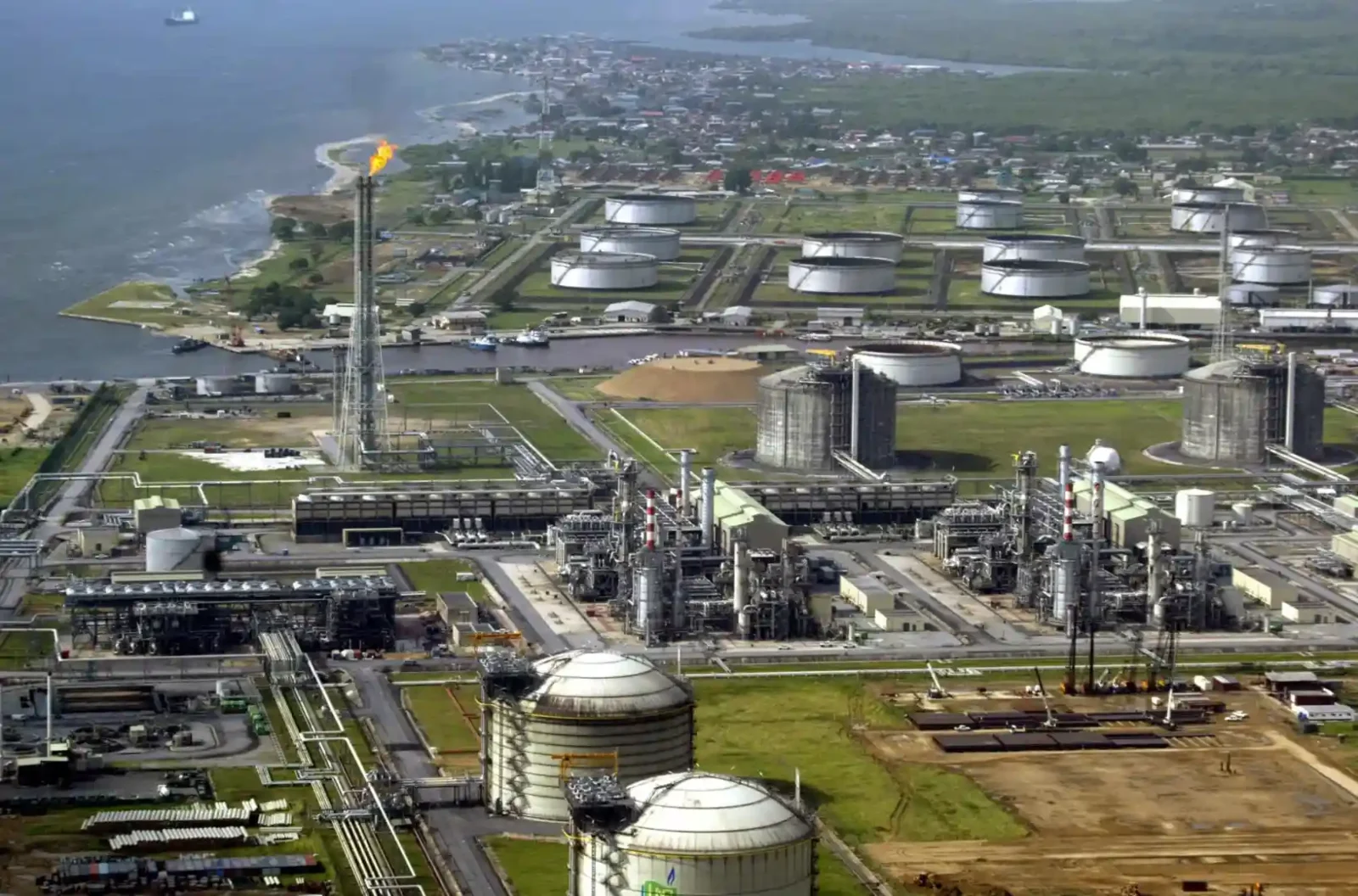
Nigeria LNG Limited (NLNG) has executed a transformative series of long-term Gas Supply Agreements (GSAs) with six major suppliers, marking a strategic pivot designed to strengthen feedgas supply to its Bonny Island facility and consolidate Nigeria’s dominant position in the global liquefied natural gas market.
Build the future you deserve. Get started with our top-tier Online courses: ACCA, HESI A2, ATI TEAS 7, HESI EXIT, NCLEX-RN, NCLEX-PN, and Financial Literacy. Let Serrari Ed guide your path to success. Enroll today.
Landmark 20-Year Contracts Deliver Security
The comprehensive 20-year contracts, which include extension options, will deliver approximately 1.29 billion standard cubic feet per day (bscf/d) of feedgas according to NLNG’s Managing Director and CEO, Dr. Philip Mshelbila. This represents a substantial volume that will be gradually scaled up to supply the company’s operations and ambitious expansion plans.
The agreements were signed with a diverse consortium including SNEPCO-SUNLINK HI Project, TEPNG-AMNI JV IMA Project, NNPCL-First E&P JV, SNG NGML, Oando-NNPC E&P, and TEPNG JV Ubeta, representing a broad coalition of both international oil companies and indigenous Nigerian producers.
Addressing Critical Supply Chain Vulnerabilities
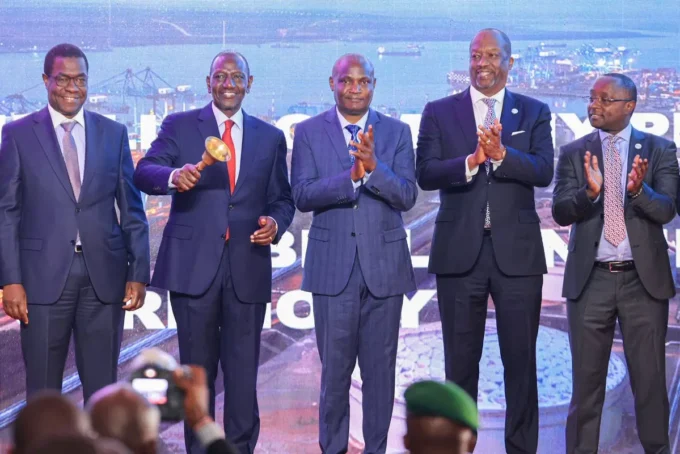
Speaking during the signing ceremony at NNPC Towers in Abuja, Dr. Mshelbila emphasized that the milestone represents the culmination of sustained collaborative efforts by shareholders, stakeholders, and partners in Nigeria’s energy sector. The company has faced significant operational challenges in recent years due to persistent supply disruptions, pipeline vandalism, and sabotage activities that severely impacted gas availability from traditional sources.
“NLNG recognizes the challenges that the consequent insufficiency of gas supply has caused to its long-term buyers, customers, shareholders and, more widely, the Nigerian economy,” Mshelbila stated. “These agreements are a turning point in NLNG’s journey, restoring reliability of supply and ensuring we remain firmly on the path of growth and expansion.”
Strategic Timing with Train-7 Project Completion
The gas supply agreements arrive at a critical juncture as NLNG’s massive Train-7 expansion project, worth over $10 billion, has reached 80% completion on Bonny Island in Rivers State. This flagship project, originally scheduled for commissioning in 2025, will increase NLNG’s production capacity by 35% from the current 22 million tonnes per annum (MTPA) to 30 MTPA.
The Train-7 project, awarded to the SCD JV Consortium comprising affiliates of Saipem, Chiyoda, and Daewoo, represents one of Nigeria’s most significant industrial investments. The project incorporates cutting-edge engineering and complex liquefaction technology, requiring highly skilled technical manpower as it approaches final construction phases.
Alignment with Nigeria’s Decade of Gas Initiative
The landmark agreements directly support Nigeria’s Decade of Gas initiative, launched in 2021 to harness the country’s vast natural gas reserves for industrialization, energy security, and economic diversification. This strategic framework positions natural gas as Nigeria’s primary transition fuel toward cleaner energy sources.
With Nigeria’s proven gas reserves reaching 210.54 trillion cubic feet as of January 2025—the largest on the African continent—the country possesses enormous potential for gas monetization. The Nigerian Upstream Petroleum Regulatory Commission (NUPRC) has confirmed this represents the ninth-largest gas reserves globally, providing a foundation for sustained LNG production and export growth.
Economic Impact and Foreign Exchange Generation
Industry analysts view the GSAs as transformative for Nigeria’s broader economic development. Energy experts note that reliable feedgas supply is critical for both domestic industries and export markets, with LNG exports representing a significant portion of Nigeria’s foreign exchange earnings and playing a vital role in government revenue stabilization.
The agreements will help NLNG meet long-term commitments to international buyers, restore investor confidence, and strengthen Nigeria’s reputation as a reliable LNG supplier in an increasingly competitive global market. “This is a game-changer not only for NLNG but for Nigeria’s entire gas sector. It will help stabilize supply, boost exports, and generate more revenue for the economy,” commented one prominent energy analyst.
Fuel your success with knowledge that matters. Enroll in our Online programs: ACCA, HESI A2, ATI TEAS 7, HESI EXIT, NCLEX-RN, NCLEX-PN, and Financial Literacy. Join Serrari Ed now and take control of your future.
NNPC Leadership and Stakeholder Engagement
NNPC Group CEO Bayo Ojulari praised the agreements as opening opportunities for growth, collaboration, and shared prosperity across Nigeria’s energy sector. His leadership in facilitating these complex negotiations demonstrates the state oil company’s commitment to supporting Nigeria’s gas monetization objectives.
The agreements represent a significant step forward for Nigeria’s energy transformation plan and the Federal Government’s gas reforms, aimed at improving energy security and accelerating economic development. The collaborative approach involving multiple stakeholders reflects the industry’s recognition that sustainable gas supply requires coordinated efforts across the value chain.
Addressing International Oil Company Divestments
The diversification strategy reflected in these agreements comes at a crucial time as several international oil companies divest from onshore Nigerian assets. By expanding beyond traditional shareholder joint ventures, NLNG is opening opportunities for a broader pool of indigenous and emerging international gas producers to participate in the global LNG market.
This shift reflects changing industry dynamics where new players are emerging as significant contributors to Nigeria’s hydrocarbon production. The inclusive approach ensures that gas production capacity can be maintained and expanded even as traditional operators reduce their onshore footprint in Nigeria.
Employment Generation and Skills Development
The Train-7 project alone is expected to generate over 12,000 direct jobs during construction, with even more indirect opportunities across various sectors. Currently, 8,300 Nigerians are employed on the project, demonstrating its significant contribution to local employment generation.
NLNG has partnered with the Nigerian Content Development and Monitoring Board (NCDMB) to implement comprehensive capacity-building programs aimed at developing world-class Nigerian professionals. Recent initiatives include the inauguration of 140 trainees for advanced human capital development programs, ensuring the country builds technical expertise to support long-term competitiveness in the global energy market.
Infrastructure Development and Community Impact
Beyond direct economic benefits, NLNG’s expansion supports broader infrastructure development initiatives including the Bonny-Bodo Road, health centers, schools, water projects, and electrification initiatives. These investments enhance socio-economic growth and improve living standards in Rivers State and Niger Delta communities through strategic partnerships and impactful corporate social responsibility projects.
The company’s sustainable development initiatives encompass youth empowerment, agro-enterprise development, and support for local fishing communities, demonstrating commitment to holistic community development alongside industrial expansion.
Global LNG Market Positioning
Nigeria’s strategic positioning in the global LNG market has been strengthened by consistent production and export performance. According to industry data, Nigeria’s LNG exports totaled approximately 27.6 billion cubic meters in 2020, representing strong performance despite global market challenges.
The European Union represents a crucial market for Nigerian LNG, accounting for 60% of exports. However, evolving EU methane monitoring and verification standards, effective January 2027, will require Nigerian producers to meet strict environmental compliance requirements to maintain market access.
Technology Integration and Environmental Standards
The new gas supply agreements incorporate advanced monitoring and measurement technologies to ensure compliance with international environmental standards. As Nigeria pursues its net-zero emissions target by 2060, the efficient utilization of gas resources becomes increasingly important for both economic and environmental objectives.
The Nigerian Gas Flare Commercialization Program, launched in 2016 and reaching full implementation in 2024, represents a critical component of the broader gas utilization strategy. Capturing previously flared gas for productive use supports both revenue generation and environmental sustainability goals.
Ownership Structure and International Partnerships
NLNG operates as a joint venture with NNPC Ltd holding 49%, Shell Gas 25.6%, TotalEnergies 15%, and Eni 10.4%. This international partnership structure provides access to global markets, advanced technology, and financing capabilities essential for large-scale LNG operations.
The diverse ownership ensures that NLNG benefits from the technical expertise and market access of major international energy companies while maintaining substantial Nigerian control and ownership of the venture.
Future Expansion and Strategic Vision
Beyond Train-7, NLNG’s long-term vision encompasses additional expansion opportunities that could further increase production capacity. The secure feedgas supply provided by these 20-year agreements creates the foundation for sustained growth and potential additional train developments.
NNPC Ltd has announced ambitious plans to triple Nigeria’s gas reserves from current levels to 600 trillion cubic feet, supporting Mele Kyari’s vision of leveraging gas resources for sustainable development, energy security, and job creation across Nigeria.
Regional Integration and Export Markets
Nigeria’s gas export strategy extends beyond LNG to include regional pipeline projects such as the West African Gas Pipeline and the proposed African Atlantic Gas Pipeline. These initiatives aim to strengthen Nigeria’s position as the primary energy supplier across West Africa and potentially to European markets.
The country’s strategic location provides advantageous access to both Atlantic basin and emerging Asian LNG markets, positioning Nigeria to capitalize on growing global demand for natural gas as a transition fuel in the global energy transition.
Risk Mitigation and Supply Security
The diversification approach reflected in these gas supply agreements reduces NLNG’s exposure to supply disruptions from any single source. Historical challenges including pipeline vandalism, maintenance issues, and production interruptions have highlighted the importance of multiple supply sources for operational reliability.
By engaging with both established operators and emerging producers, NLNG creates a more resilient supply network that can better withstand individual field production variations or infrastructure challenges that have previously impacted operations.
Long-term Economic Transformation
For Nigeria, these agreements signal renewed commitment to leveraging abundant gas resources for national development, industrial growth, and enhanced global competitiveness. The stable, long-term gas supply foundation enables downstream industrial development, power generation improvements, and petrochemical industry growth.
The successful implementation of these agreements, combined with the completion of Train-7 and potential future expansions, positions Nigeria to significantly increase its share of global LNG markets while driving domestic economic transformation through increased foreign exchange earnings, employment generation, and industrial development.
As Nigeria continues implementing its comprehensive gas development strategy, these landmark supply agreements represent a crucial milestone in the country’s evolution from an oil-dependent economy toward a more diversified energy powerhouse built on abundant natural gas resources.
Ready to take your career to the next level? Join our Online courses: ACCA, HESI A2, ATI TEAS 7 , HESI EXIT , NCLEX – RN and NCLEX – PN, Financial Literacy!🌟 Dive into a world of opportunities and empower yourself for success. Explore more at Serrari Ed and start your exciting journey today! ✨
Track GDP, Inflation and Central Bank rates for top African markets with Serrari’s comparator tool.
See today’s Treasury bonds and Money market funds movement across financial service providers in Kenya, using Serrari’s comparator tools.
photo source: Google
By: Montel Kamau
Serrari Financial Analyst
26th August, 2025