Executive Summary
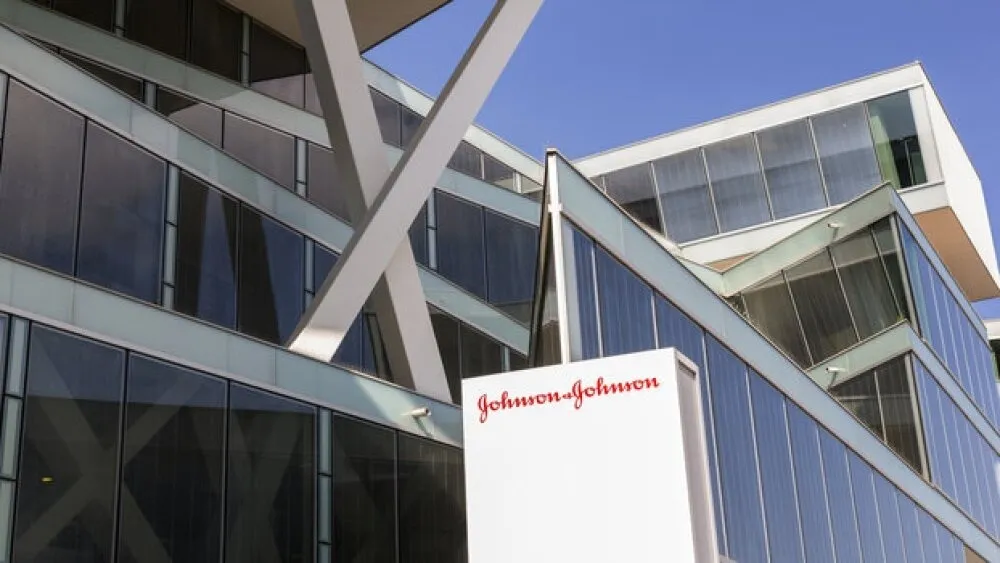
Johnson & Johnson announced on August 21, 2025, that it will increase its presence in North Carolina with a 160,000+ square foot dedicated manufacturing facility at FUJIFILM’s new biopharmaceutical manufacturing site in Holly Springs, North Carolina. The $2 billion commitment to FUJIFILM over the next 10 years will expand the Company’s U.S. manufacturing capacity and create approximately 120 new jobs in North Carolina. This latest investment represents a strategic response to escalating trade tensions and reinforces the healthcare giant’s commitment to American manufacturing leadership.
One decision can change your entire career. Take that step with our Online courses in ACCA, HESI A2, ATI TEAS 7, HESI EXIT, NCLEX-RN, NCLEX-PN, and Financial Literacy. Join Serrari Ed and start building your brighter future today.
Major Investment Details
Partnership with Fujifilm Diosynth
J&J said on Thursday it has reached a 10-year agreement with Tokyo-based contract drug developer Fujifilm Diosynth for its more than 160,000-square-foot manufacturing facility in Holly Springs, North Carolina, which would create about 120 new jobs. The arrangement builds upon Fujifilm’s expanding presence in the U.S. biopharmaceutical sector, which includes a more than $3 billion deal with Regeneron to manufacture and supply drug products for the U.S.-based company at its North Carolina facility for a span of 10 years signed earlier this year.
Building on Record Investment Commitments
This new $2 billion commitment supplements Johnson & Johnson’s unprecedented investment pledge announced earlier this year. In March, the Company announced manufacturing, research and development, and technology investments of more than $55 billion in the United States over the next four years. This represents a 25% increase in investment compared to the previous four years, positioning J&J as one of the largest investors in American pharmaceutical infrastructure.
Progress continues in the construction of the Wilson, North Carolina facility, which will employ more than 500 people when fully operational and create approximately 5,000 construction jobs during the site development. The Wilson facility represents a separate $2 billion+ investment that broke ground in March 2025, demonstrating J&J’s sustained commitment to North Carolina as a manufacturing hub.
Trump Administration Tariff Strategy
Escalating Pressure on Pharmaceutical Imports
The announcement comes amid an intensifying campaign by the Trump administration to restructure global pharmaceutical supply chains. President Donald Trump told CNBC’s “Squawk Box” on Tuesday that planned tariffs on pharmaceuticals imported into the U.S. could eventually reach up to 250%, the highest rate he has threatened so far. He said he will initially impose a “small tariff” on pharmaceuticals, but then in a year to a year and a half “maximum,” he will raise that rate to 150% and then 250%.
The administration’s approach represents a dramatic escalation from earlier proposals. Trump, who exempted drug imports from tariffs during his first term, has been promising to impose tariffs on pharmaceutical products for several months but has yet to announce any concrete measures. The strategy marks a fundamental shift in trade policy toward the pharmaceutical sector.
Section 232 National Security Investigation
The tariff threats are backed by formal regulatory action. The U.S. Department of Commerce announced on April 14, 2025, that it had initiated, as of April 1, 2025, a Section 232 investigation under the Trade Expansion Act of 1962 to determine the effects on national security of imports of pharmaceuticals and pharmaceutical ingredients, including active pharmaceutical ingredients and key starting materials.
By law, the Commerce Department must complete investigations initiated under Section 232 and present the findings, as well as any recommendations, to President Trump within 270 days. President Trump has 90 days to determine whether to accept the findings. However, the administration has signaled its intention to accelerate this timeline significantly.
Industry-Wide Manufacturing Surge
Pharmaceutical Giants Respond to Policy Pressure
Johnson & Johnson’s investment is part of a broader pharmaceutical industry mobilization in response to Trump’s tariff strategy. AstraZeneca is investing $50 billion to expand its drug manufacturing in the US. Johnson & Johnson is pouring $55 billion into domestic production and research. And Eli Lilly said it will spend $27 billion to build four new manufacturing plants here. In total, the planned investments exceed $250 billion, according to two industry analysts.
Eli Lilly made the announcement at an event in Washington, D.C. — emphasizing the political undertones of the strategy. The event featured several speakers from the Trump administration, including Kevin Hassett, director of the White House National Economic Council, and Commerce Secretary Howard Lutnick, who explicitly tied the announcement to Trump’s policies. Read more about Eli Lilly’s manufacturing strategy.
Strategic Manufacturing Hubs Emerge
North Carolina has emerged as a preferred destination for pharmaceutical manufacturing investments. The state’s advantages include a skilled workforce, favorable business climate, and strategic geographic location. With a focus on pharmaceuticals and medical technology, the Company stands alone in its ability to impact the full spectrum of disease. From cardiology to cancer, mental health to vision, cell therapies to robotics, the depth and breadth of Johnson & Johnson’s expertise and capabilities is unique.
Legislative Context: The One Big Beautiful Bill Act
Healthcare Policy Transformation
The pharmaceutical investment surge occurs against the backdrop of major healthcare policy changes. The OBBB extends and amplifies existing tax breaks, including research and development (R&D) credits and incentives for onshoring manufacturing—measures favored by pharmaceutical manufacturers. This was solidified by tariff threats tied to domestic drug production (eg, up to 200% tariffs for imports).
New section 174A no longer requires taxpayers to capitalize and amortize domestic research and experimental (R&E) expenditures over five years, and it instead allows taxpayers to immediately deduct such expenses for tax years beginning after December 31, 2024. This provision significantly improves the financial attractiveness of domestic research and development activities.
Orphan Drug Policy Changes
Among its numerous provisions was a significant, but easily overlooked, amendment expanding the Orphan Drug Exclusion under the Inflation Reduction Act (IRA) Medicare Drug Price Negotiation Program. These changes provide additional incentives for pharmaceutical companies to invest in rare disease treatments while maintaining domestic production capabilities.
Economic and Strategic Implications
National Security Considerations
The administration launched an investigation into pharmaceutical imports in mid-April, setting the stage to impose tariffs on national security grounds. The president now argues that the United States needs more domestic drug manufacturing so it does not have to rely on other countries for its supply of medicines. More details on the Section 232 investigation.
The national security argument reflects concerns about supply chain vulnerabilities exposed during the COVID-19 pandemic and geopolitical tensions with key manufacturing countries, particularly China and India.
Market Dynamics and Consumer Impact
Despite the significant manufacturing investments, experts question whether the reshoring efforts will achieve all of Trump’s stated objectives. But the pharma companies’ moves are not expected to decrease the United States’ reliance on foreign sources for key pharmaceutical ingredients and drugs, experts say. Nor are they likely to result in lower costs for American consumers.
“It’s highly, highly unlikely we will see generic production expand in the US without significant incentives for these companies,” she said. “If we do move production on some drugs to the US because we want to be sure from a national security standpoint, that’s fine, but that’s going to cost money.”
Leadership Perspective
J&J’s Strategic Vision
“Johnson & Johnson has more manufacturing facilities in the U.S. than in any other country, and we continue to strengthen our presence here,” said Joaquin Duato, Chairman and Chief Executive Officer, Johnson & Johnson. “With the recent signing of the One Big Beautiful Bill Act, we continue to expand our investment in the U.S. to lead the next era of healthcare innovation.”
The company’s approach reflects a long-term commitment to American manufacturing that predates the current political environment while positioning J&J to benefit from emerging policy incentives.
Future Outlook
Expansion Plans on the Horizon
In the coming months, the Company also intends to share the plans for additional advanced manufacturing facilities in the U.S. as well as the expansion of current U.S. sites. This suggests that the current $2 billion commitment may represent only the beginning of J&J’s expanded domestic manufacturing strategy.
Industry Transformation Timeline
The pharmaceutical industry transformation is expected to unfold over several years, with facilities beginning operations by 2030. Lilly expects to announce all four future site locations in 2025 and anticipates facilities will begin making medicines for patients within five years. Similar timelines apply to other major pharmaceutical investments across the industry.
Workforce Development
Job Creation Impact
Companies are announcing significant investments in U.S. manufacturing in response to looming tariffs. An AstraZeneca executive and Eli Lilly and Novo Nordisk spokespeople discuss potential job and skill-building opportunities and where manufacturing might head in the future.
The investments are expected to create thousands of high-skilled manufacturing jobs across multiple states, with companies partnering with educational institutions to develop the necessary workforce capabilities.
Market Response and Industry Analysis
The pharmaceutical sector has experienced significant volatility as markets digest the implications of potential tariffs and policy changes. Healthcare stocks tumbled Friday, following broader market losses as investors digested Trump’s amended trade tariffs. However, companies with strong domestic manufacturing commitments have generally outperformed those with heavier reliance on foreign production.
Conclusion
Johnson & Johnson’s $2 billion manufacturing commitment represents a strategic response to evolving trade policies while reinforcing the company’s position as a leader in American pharmaceutical manufacturing. As the industry navigates unprecedented policy changes and geopolitical pressures, investments in domestic production capabilities are becoming essential for maintaining competitive advantage and ensuring supply chain resilience.
The success of these initiatives will ultimately depend on the industry’s ability to balance increased production costs with the benefits of reduced regulatory risk and enhanced supply chain security, while continuing to deliver innovative treatments to patients worldwide.
Ready to take your career to the next level? Join our Online courses: ACCA, HESI A2, ATI TEAS 7 , HESI EXIT , NCLEX – RN and NCLEX – PN, Financial Literacy!🌟 Dive into a world of opportunities and empower yourself for success. Explore more at Serrari Ed and start your exciting journey today! ✨
Track GDP, Inflation and Central Bank rates for top African markets with Serrari’s comparator tool.
See today’s Treasury bonds and Money market funds movement across financial service providers in Kenya, using Serrari’s comparator tools.
photo source: Google
By: Montel Kamau
Serrari Financial Analyst
22nd August, 2025