In a compelling study published in the journal Agrekon, researchers from Stellenbosch University and Mendel University in Brno, Czech Republic, have issued a strategic warning: South Africa’s current approach to agri-food exports to the European Union may be reaching its limit. The report highlights that despite South Africa’s status as the EU’s largest trading partner in Africa, the dynamics of this relationship are shifting. A slowdown in growth, exacerbated by rising trade barriers and changing consumer demand across Europe, is putting the long-term competitiveness of the South African agricultural sector at risk. The findings suggest that the existing trade arrangements, which have served the country well for two decades, are no longer sufficient to navigate the complexities of modern international trade.
One decision can change your entire career. Take that step with courses in ACCA, HESI A2, ATI TEAS 7, HESI EXIT, NCLEX-RN, NCLEX-PN, and Financial Literacy. Join Serrari Ed and start building your brighter future today.
The study, which meticulously analyzed trade data from 1999 to 2019, reveals that while agri-food export volumes have remained steady, their growth rate has decelerated significantly since the 2008 global financial crisis. This trend is particularly pronounced in key export categories, with citrus, grapes, wine, apples, pears, and avocados forming the core of South Africa’s agricultural export portfolio. The researchers point to a combination of factors, including the lingering economic effects of the recession and, most importantly, the proliferation of complex non-tariff measures (NTMs) as the primary culprits. These barriers, often subtle and technical in nature, pose a growing challenge to local producers, demanding a comprehensive and strategic response from policymakers. The analysis found that while Eastern European markets showed initial growth post-EU accession, and Southern European countries experienced a sharp decline, the overall trend points to a saturated or slowly expanding market for many of South Africa’s key products.
The Bedrock of EU-South Africa Trade: A Historical Context
To understand the current challenges, it’s essential to look at the foundational trade agreements that have shaped the relationship between South Africa and the EU. For years, this partnership was governed by the Trade, Development and Co-operation Agreement (TDCA), which came into effect in 2000. This landmark deal was designed to liberalize trade, promote economic cooperation, and foster development. Under the TDCA, South African agricultural products enjoyed preferential access to the European market, which was instrumental in boosting exports and stimulating the growth of industries like wine and fruit.
However, the TDCA was largely superseded by the Economic Partnership Agreement (EPA) in 2016. The EPA, a more comprehensive deal, aimed to further liberalize trade and create a more predictable and stable trading environment. The agreement covers a wide range of goods and services and includes provisions on rules of origin, sanitary and phytosanitary measures, and dispute resolution. Despite these agreements, the research suggests that their effectiveness is waning. The dynamic nature of EU regulations, particularly concerning environmental and safety standards, has created new hurdles that were not fully anticipated when these agreements were first signed. For instance, the EU’s “Farm to Fork” strategy, which aims to make food systems more sustainable, is introducing a new wave of stringent standards that can act as de facto non-tariff barriers, placing a burden on South African producers to adapt and comply. You can find more details on the evolution of this trade relationship in this overview from the European Commission’s website.
Build the future you deserve. Get started with top-tier courses in ACCA, HESI A2, ATI TEAS 7, HESI EXIT, NCLEX-RN, NCLEX-PN, and Financial Literacy. Let Serrari Ed guide your path to success. Enroll today.
The Main Obstacle: Unpacking Non-Tariff Measures (NTMs)
The study’s most critical finding revolves around the rising impact of non-tariff measures (NTMs). Unlike traditional tariffs—which are straightforward taxes on imports—NTMs are a complex web of regulations, standards, and bureaucratic procedures. While often implemented for legitimate reasons such as consumer safety or environmental protection, they can effectively function as protectionist tools, making it harder for foreign producers to access a market.
For South Africa’s agri-food sector, these NTMs are a major source of friction and cost. One of the most prominent examples is the EU’s stringent phytosanitary requirements for citrus exports. In recent years, the EU has implemented tough new rules to prevent the spread of pests like the False Codling Moth (FCM) from South Africa. These regulations require extensive cold treatment of fruit during transit and at port, which is a costly and time-consuming process. Failure to comply can result in the entire consignment being rejected, leading to massive financial losses for exporters. The South African citrus industry, which is a significant employer and a pillar of the agricultural economy, has been particularly vocal about the challenges posed by these measures. You can read more about the EU’s specific cold treatment requirements for FCM on this trade-focused publication.
Another major challenge is the EU’s evolving rules on Maximum Residue Levels (MRLs) for pesticides. The EU regularly reviews and lowers the allowable limits for certain chemicals used in agriculture. While intended to protect public health, these changes often happen with little notice, leaving South African farmers with a short window to adopt new farming practices and find alternative, EU-compliant pesticides. This not only increases production costs but also creates a significant risk of export rejection if a batch of produce is found to exceed the new MRLs. The South African fruit industry association, for example, has published extensive resources on the issue, highlighting the need for proactive engagement with EU regulators to ensure a stable trading environment.
The Domestic Hurdles: Infrastructure and Logistics
While external trade barriers are a significant factor, the study’s recommendations also shine a spotlight on internal challenges that South Africa must address to regain its competitive edge. The researchers’ call to invest in domestic infrastructure—specifically ports and electricity supply—is particularly prescient given the country’s ongoing struggles with these issues.
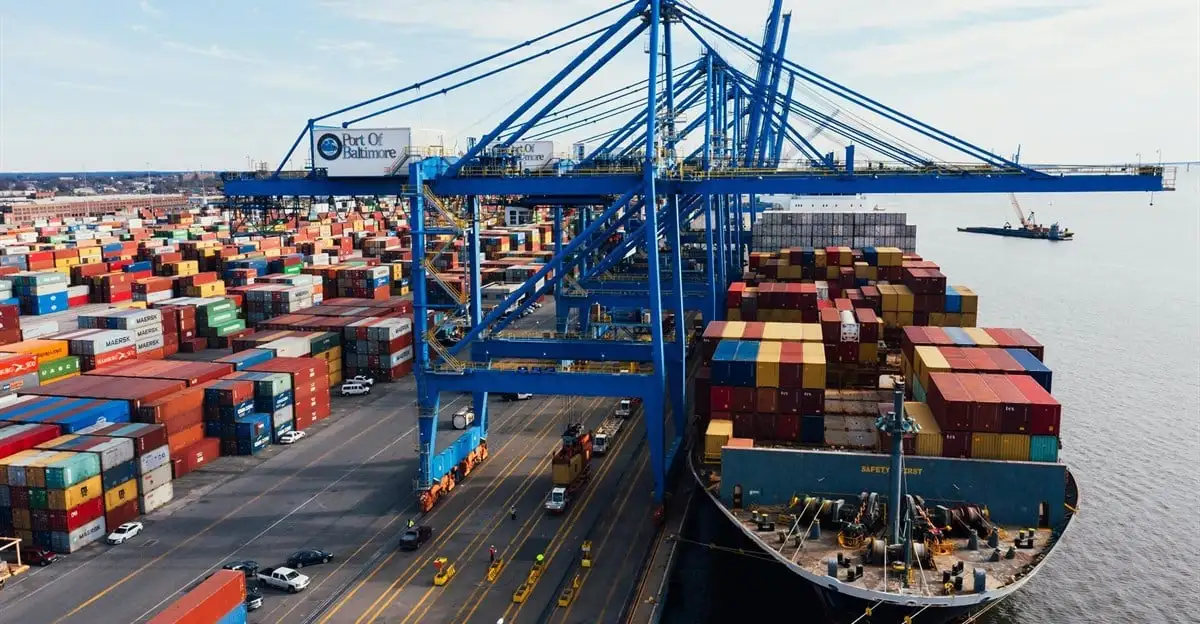
The efficiency of South Africa’s ports is a major determinant of its export competitiveness. Agri-food products, especially fresh produce, are highly perishable and require a smooth, predictable supply chain. However, ports like Durban and Cape Town have been plagued by operational inefficiencies, including delays, labor disputes, and inadequate infrastructure. These bottlenecks create significant transaction costs, increase the risk of spoilage, and make South African exports less reliable. A delay of even a few days at a port can render a container of fresh fruit worthless, erasing a farmer’s profit and damaging the country’s reputation as a reliable supplier. This issue has been widely reported by trade and logistics publications and remains a persistent pain point for exporters. You can read more about the impact of these issues in this Hortgro report on port congestion or this analysis from a law firm.
Similarly, the ongoing electricity crisis, characterized by frequent power cuts known as “load shedding,” poses a direct threat to the agricultural sector. Agri-food processing plants, cold storage facilities, and irrigation systems all rely on a stable power supply. Power cuts disrupt operations, leading to spoilage, production losses, and increased costs as businesses are forced to invest in expensive generators and alternative energy sources. The economic impact of load shedding on the agricultural sector has been substantial, hindering the ability of producers to meet the stringent quality and safety standards required by the EU market. For a deeper dive, see this report from GreenAgri or this analysis on rising electricity costs.
A Strategic Pivot: Diversifying Markets Beyond the EU
The most forward-looking recommendation from the study is the call for South Africa to diversify its export markets beyond the EU. While Europe has been a critical partner, its slowing growth and rising protectionism mean that a new strategy is needed. The report specifically points to fast-growing economies in BRICS nations (Brazil, Russia, India, China, and South Africa), Japan, South Korea, and Vietnam as potential new frontiers for South African agri-food exports.
Diversifying into these markets presents both opportunities and challenges. On the one hand, countries like China and India have massive and growing middle-class populations with a rising demand for high-quality, exotic food products. South Africa’s high-quality wines and fresh fruits, for example, are increasingly sought after in these markets. Trade data shows that South Africa’s exports to China, particularly of citrus, have been on a steady upward trajectory in recent years. This trend is supported by bilateral trade agreements and a concerted effort by South African producers to tap into this massive consumer base.
On the other hand, entering these new markets is not without its hurdles. Each country has its own set of unique regulations, cultural preferences, and logistical requirements. For example, while China is a huge potential market, its import regulations can be just as complex as those in the EU. Furthermore, establishing a strong brand presence and building distribution networks in countries like Japan and South Korea requires significant investment and a deep understanding of local consumer behavior. The researchers’ recommendation is not just about finding new customers, but about a fundamental shift in strategy that requires a coordinated effort from government and industry to build the necessary infrastructure and diplomatic ties.
A pivot to other regions also offers geopolitical advantages. A stronger trade relationship with BRICS countries, for example, aligns with South Africa’s broader foreign policy objectives and can provide a counterbalance to the country’s reliance on traditional Western partners. This strategic realignment can create new avenues for growth and reduce the economic vulnerability associated with over-dependence on a single market. The South African government and business groups are increasingly focused on these opportunities, as evidenced by trade missions and high-level diplomatic engagements aimed at opening up these markets. For instance, the South Africa Fruit Exporters’ Association (PPECB), which oversees the quality control of fruit exports, has been actively working with counterparts in Asia to streamline inspection processes and ensure compliance with their specific import protocols.
In a global economy that is becoming more fragmented and regionalized, the ability to pivot and adapt is a key determinant of success. By addressing both the external pressures from EU trade barriers and the internal constraints of infrastructure and policy, South Africa can build a more resilient and dynamic agricultural sector. This approach would not only safeguard the country’s existing export base but also unlock new opportunities for job creation and economic development in the years to come.
The final conclusion of the research is clear: South Africa must adopt a multi-pronged strategy. This includes continuing to engage in diplomatic dialogue with the EU to resolve regulatory disputes, investing in robust domestic infrastructure to reduce costs and improve reliability, and proactively diversifying its export portfolio by targeting high-growth markets in Asia and beyond. This integrated approach, blending policy, investment, and market intelligence, is the only way to ensure the long-term prosperity of its vital agri-food sector.
Ready to take your career to the next level? Join our dynamic courses: ACCA, HESI A2, ATI TEAS 7 , HESI EXIT , NCLEX – RN and NCLEX – PN, Financial Literacy!🌟 Dive into a world of opportunities and empower yourself for success. Explore more at Serrari Ed and start your exciting journey today! ✨
Track GDP, Inflation and Central Bank rates for top African markets with Serrari’s comparator tool.
See today’s Treasury bonds and Money market funds movement across financial service providers in Kenya, using Serrari’s comparator tools.
photo source: Google
By: Montel Kamau
Serrari Financial Analyst
12th August, 2025