In a bold strategic move set to redefine its operational footprint and bolster East Africa’s clean energy landscape, Kenya Electricity Generating Company (KenGen), the nation’s leading power producer, has officially ventured into the manufacturing of solar power kits. This ambitious initiative, greenlit by the Public-Private Partnership (PPP) Directorate last month, marks a significant pivot for the state-owned firm, aiming to diversify its revenue streams and tap into the burgeoning regional demand for affordable, reliable, and sustainable energy solutions.
The cornerstone of this new endeavor will be a dedicated manufacturing plant located at KenGen’s iconic Olkaria geothermal complex. The facility will commence operations by assembling photovoltaic (PV) modules, the fundamental components of any solar power system. In a phased expansion, the plant will subsequently broaden its scope to include the production of essential complementary technologies: inverters and battery-storage systems. This integrated approach positions KenGen not merely as a power generator but as a comprehensive provider of decentralized renewable energy solutions, directly addressing the critical need for consistent power supply among households and businesses across East Africa.
This strategic diversification comes at a crucial time for KenGen. While electricity sales to the national grid operator, Kenya Power (KPLC), still account for approximately 73% of KenGen’s annual revenue (KSh 41.25 billion out of KSh 56.29 billion in the year ending June 2024), the company’s management is actively seeking new income streams to enhance financial resilience and capitalize on emerging market opportunities. The foray into solar power kits is poised to be an attractive avenue, especially given the growing trend of “captive installations” – self-generated power solutions adopted by firms and households. These installations already supply a significant 47.2% of Kenya’s self-generated power capacity, totaling 574.6 MW, as businesses and consumers increasingly seek to curb costs and mitigate the impact of frequent national grid blackouts.
The Strategic Imperative: Why Solar, Why Now for KenGen?
KenGen’s decision to enter the solar manufacturing space is driven by a confluence of factors, reflecting both internal strategic objectives and external market dynamics.
Addressing Grid Vulnerabilities and Soaring Demand:
Kenya’s energy infrastructure, despite significant strides in renewable energy adoption, faces considerable strain. Frequent blackouts, aging infrastructure, and escalating demand are persistent challenges. Reports indicate that large-scale outages have become increasingly common, raising concerns about the robustness of the country’s power systems. Technical problems, electricity theft, and billing inefficiencies contribute to significant energy losses, estimated at 23% in 2023. These issues make it harder to distribute reliable electricity across the country.
Electricity demand in Kenya is on an upward trajectory, projected to increase by 6.5% annually between 2025 and 2027. This surge is fueled by population growth, urbanization, and industrialization. The existing grid struggles to meet this escalating demand, leading to the very power outages and supply inconsistencies that drive consumers and businesses to seek alternative solutions. KenGen’s solar kits offer a direct answer to this reliability crisis, providing a decentralized, stable, and often more affordable power source.
Economic Efficiency and Cost Savings:
For businesses, frequent power outages translate directly into lost productivity, damaged equipment, and increased operational costs due to reliance on expensive diesel generators. Households, too, suffer from disruptions to daily life and economic activities. Solar power offers a compelling economic alternative. The declining cost of solar photovoltaic technology globally has made it increasingly competitive, often cheaper than grid electricity or diesel generators, especially for peak demand or remote locations. Captive power generation, predominantly solar PV, has seen significant growth among commercial and industrial consumers precisely because of its cost-effectiveness and ease of setup.
National Renewable Energy Ambitions:
Kenya is a global leader in renewable energy, with an ambitious goal to achieve 100% clean energy on its national grid by 2030. Currently, approximately 92% of Kenya’s grid electricity is generated from renewable sources, primarily geothermal and hydropower. However, integrating more variable renewable energy (VRE) sources like solar and wind requires enhanced grid flexibility and reliability. KenGen’s investment in solar manufacturing aligns perfectly with this national agenda, not only by adding more renewable capacity but also by contributing to the localization of the clean energy supply chain. This move supports the broader “green growth initiative” that includes promoting green manufacturing, sustainable agriculture, eco-friendly urbanization, and green transportation.
The Olkaria Solar Manufacturing Hub: A Phased Approach to Self-Sufficiency
The choice of Olkaria for the solar manufacturing plant is strategically astute. The Olkaria geothermal complex, located in the Rift Valley, is already KenGen’s flagship renewable energy hub, boasting multiple geothermal power plants and extensive existing infrastructure. This location offers several advantages, including access to reliable, clean energy for manufacturing processes, a skilled technical workforce, and established logistics networks.
Phased Manufacturing Strategy:
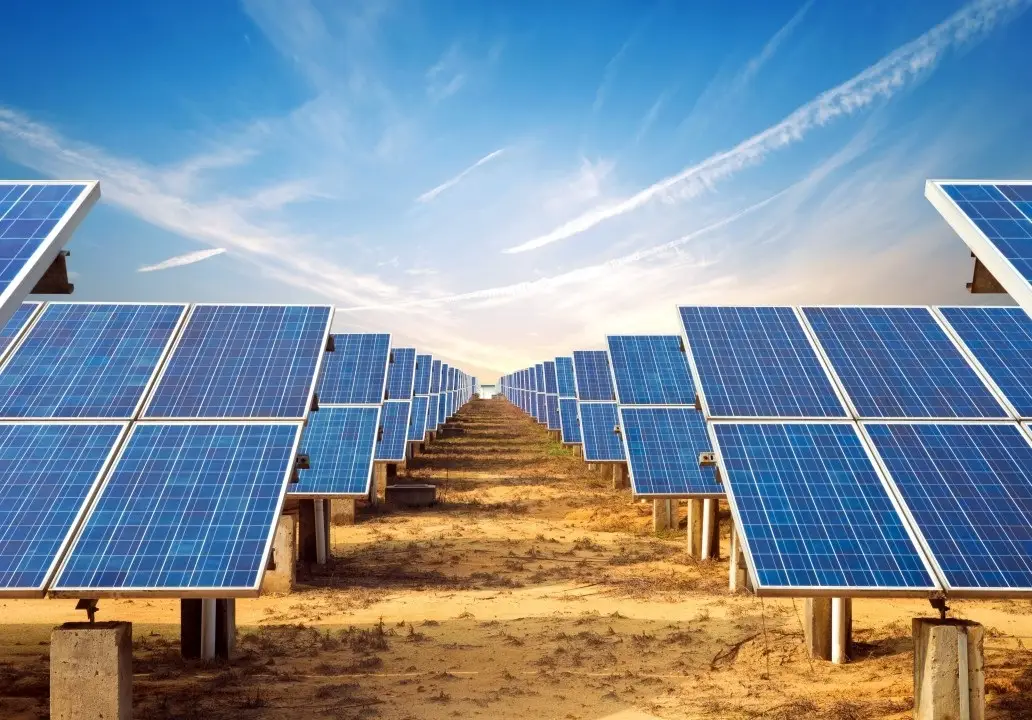
- Photovoltaic (PV) Module Assembly: The initial phase will focus on assembling PV modules. These are the panels that convert sunlight into electricity. Assembly involves bringing together various components like solar cells, glass, encapsulants, and frames. This initial step allows KenGen to rapidly enter the market, gain manufacturing experience, and build local capacity.
- Expansion to Inverters and Battery-Storage Systems: This represents the next crucial phase.
- Inverters: These devices convert the direct current (DC) electricity generated by solar panels into alternating current (AC) electricity, which is what homes and businesses use. Manufacturing inverters locally will ensure compatibility with KenGen’s modules and local grid requirements, while also reducing reliance on imports.
- Battery-Storage Systems: These are essential for storing excess solar energy generated during the day for use at night or during periods of low sunlight. As Kenya aims to integrate more variable renewables, battery storage becomes critical for grid stability and ensuring continuous power supply, even when the sun isn’t shining. Local production of these systems will further enhance energy independence and resilience.
The Public-Private Partnership (PPP) Framework:
The PPP Directorate’s approval of the concept note is a critical enabler for this project. The PPP framework in Kenya is designed to facilitate the implementation of large-scale infrastructure and development projects by leveraging private sector expertise and capital alongside public sector objectives. The Directorate’s role includes overseeing project appraisal, providing technical expertise, and guiding contracting authorities (like KenGen) through project structuring, procurement, tender evaluation, and deal closure. This approval clears the way for KenGen to recruit specialized advisors, structure the project financing, and move towards the establishment of the plant, ensuring transparency and adherence to national development goals.
Benefits of Local Manufacturing:
Local manufacturing of solar components offers a multitude of benefits beyond simply providing power:
- Job Creation: Direct employment in the factory (assembly, production, quality control) and indirect jobs in the supply chain, logistics, and installation sectors. This contributes to skill development and economic empowerment.
- Technology Transfer and Capacity Building: Fostering local expertise in solar technology, R&D, and innovation, reducing dependence on foreign technical assistance.
- Reduced Import Bill: Less reliance on imported solar kits saves valuable foreign exchange reserves.
- Cost Efficiency: Potentially lower logistics and transportation costs compared to importing finished products, making solar solutions more affordable for end-users.
- Customization: Ability to design and produce solar kits tailored to specific local conditions, consumer needs, and grid requirements.
- Enhanced Energy Security: Building a resilient domestic supply chain for critical energy infrastructure.
Beyond Solar Kits: KenGen’s Diversification Masterplan
KenGen’s venture into solar kit manufacturing is part of a broader, multi-pronged diversification strategy aimed at reducing its reliance on the single-buyer model (KPLC) and leveraging its extensive expertise in renewable energy.
1. Carbon-Credit Sales: A Green Revenue Stream
KenGen is actively pursuing revenue from carbon-credit sales, expecting to generate $32.05 million (KSh 4.14 billion) from 4.62 million Certified Emission Reductions (CERs). Carbon credits represent a reduction or removal of one tonne of carbon dioxide equivalent from the atmosphere. KenGen’s large-scale geothermal projects, which displace fossil fuel-based generation, are significant generators of these credits.
The carbon market in Kenya is gaining traction, with the government unveiling draft regulations in June 2025 to formalize and regulate it, aiming to transform Kenya into Africa’s first fully regulated climate trading hub. This move seeks to bring transparency and oversight to a market that has sometimes faced scrutiny over inflated claims and weak community protections. KenGen’s participation in this market not only provides a valuable revenue stream but also reinforces its commitment to global climate action and sustainable development. The revenue from CERs can be reinvested into further renewable energy projects, creating a virtuous cycle of green growth.
2. Regional Geothermal Drilling Contracts: Exporting Expertise
Leveraging its decades of experience as a pioneer in geothermal energy development, KenGen has successfully diversified into providing geothermal drilling and consultancy services across Africa. The firm has already earned at least KSh 8 billion from projects in Ethiopia and Djibouti, where it has completed drilling several wells. This demonstrates KenGen’s established reputation for excellence in geothermal exploration and development.
The company is actively eyeing new contracts in Tanzania and Eswatini, further expanding its regional footprint. For instance, in November 2024, KenGen commenced geo-scientific studies in Eswatini under a KSh 250 million contract, aiming to assess geothermal potential in three regions. This strategic expansion positions KenGen as a leading African expert in geothermal technology, exporting its specialized skills and contributing to the clean energy transition of neighboring countries. This not only generates significant foreign exchange earnings for Kenya but also strengthens regional energy cooperation and fosters sustainable development across the continent.
3. Green Energy Park at Olkaria:
Beyond direct power generation and manufacturing, KenGen is developing a “Green Energy Park” at its Olkaria complex. This park is designed to host large power consumers who will buy electricity directly from KenGen, bypassing the national grid. This initiative offers a unique value proposition to industrial clients: access to stable, affordable, and 100% green electricity directly from the source. Furthermore, investors who use steam in their manufacturing and processing lines will have the added benefit of getting steam directly from the geothermal power plants. This concept attracts energy-intensive industries, fostering industrialization and job creation within a sustainable framework.
Market Dynamics: East Africa’s Solar Boom and KenGen’s Competitive Edge
The East African solar market is experiencing rapid growth, driven by increasing energy demand, declining solar technology costs, and a strong push for renewable energy. However, this market is currently dominated by imports, primarily from China.
The Chinese Dominance and Local Opportunity:
China has significantly expanded its production capacities in renewable energy technologies, leading to a surge in exports of solar panels globally. In the first half of 2023, Chinese solar panel exports grew by 34%, with Africa seeing the largest percentage growth (187%). While this has made solar technology more accessible, it also highlights a reliance on foreign supply chains.
KenGen’s entry into local solar kit manufacturing presents a significant opportunity to disrupt this import-heavy market. Its competitive advantages include:
- Local Presence and Understanding: KenGen possesses deep knowledge of the Kenyan and East African energy landscape, including consumer needs, regulatory environments, and logistical challenges.
- Brand Trust: As a state-owned entity with a long history of providing reliable power, KenGen enjoys a high level of trust among consumers and businesses.
- Reduced Logistics Costs: Manufacturing locally will significantly cut down on transportation costs, import duties, and lead times, potentially making KenGen’s products more competitively priced.
- After-Sales Service and Support: A local manufacturer can offer more responsive and accessible after-sales service, maintenance, and warranty support, which is crucial for consumer confidence in new technologies.
- Government Support: The PPP approval and the broader national focus on local content development provide a supportive policy environment.
The solar plant will target East African markets, reinforcing KenGen’s pivot from a single-buyer model toward diversified, climate-aligned growth. The firm aims to tap a transaction advisor for the project by September of this year, a crucial step in structuring the financing and implementation of the undisclosed-cost plant. This signals KenGen’s intent to move swiftly and decisively in establishing its manufacturing capabilities.
Impact and Future Outlook: Powering a Sustainable Future
KenGen’s venture into solar power kit manufacturing, alongside its other diversification efforts, promises a multi-faceted positive impact on Kenya and the wider East African region.
Economic Empowerment:
- Job Creation: The manufacturing plant will create direct employment opportunities in production, engineering, and management, as well as indirect jobs in raw material supply, logistics, sales, installation, and maintenance across the value chain.
- Local Content Development: Fostering a domestic solar industry will stimulate local innovation and encourage the growth of ancillary industries.
- Foreign Exchange Savings: Reducing reliance on imported solar products will conserve foreign currency.
- Increased Tax Revenue: The new business operations will contribute to government revenue through taxes and duties.
Enhanced Energy Security and Access:
- Improved Reliability: Providing alternative power solutions that are less susceptible to national grid fluctuations, leading to more stable energy access for homes and businesses.
- Decentralized Power: Empowering communities and businesses to generate their own electricity, particularly beneficial for rural and off-grid areas.
- Affordable Energy: Offering cheaper and more reliable electricity compared to traditional grid reliance or expensive fossil fuel generators.
Environmental Stewardship:
- Accelerated Renewable Energy Transition: Contributing significantly to Kenya’s and the region’s renewable energy targets, reducing reliance on fossil fuels.
- Reduced Carbon Emissions: Promoting clean energy adoption directly contributes to mitigating climate change and achieving national and global emission reduction goals.
- Sustainable Development: Aligning economic growth with environmental protection, fostering a greener economy.
KenGen’s transformation from primarily a large-scale power generator to a diversified energy solutions provider is a strategic imperative for its long-term financial sustainability and relevance in a rapidly evolving energy landscape. By embracing solar manufacturing, leveraging its geothermal expertise regionally, and innovating with carbon credits and green energy parks, KenGen is not just diversifying its revenue; it is actively shaping a more resilient, sustainable, and energy-secure future for Kenya and East Africa. The success of this solar leap will undoubtedly serve as a powerful model for other state-owned enterprises in the region seeking to adapt to the demands of the 21st-century energy transition.
Ready to take your career to the next level? Join our dynamic courses: ACCA, HESI A2, ATI TEAS 7 , HESI EXIT , NCLEX – RN and NCLEX – PN, Financial Literacy!🌟 Dive into a world of opportunities and empower yourself for success. Explore more at Serrari Ed and start your exciting journey today! ✨
photo source: Google
By: Montel Kamau
Serrari Financial Analyst
16th July, 2025