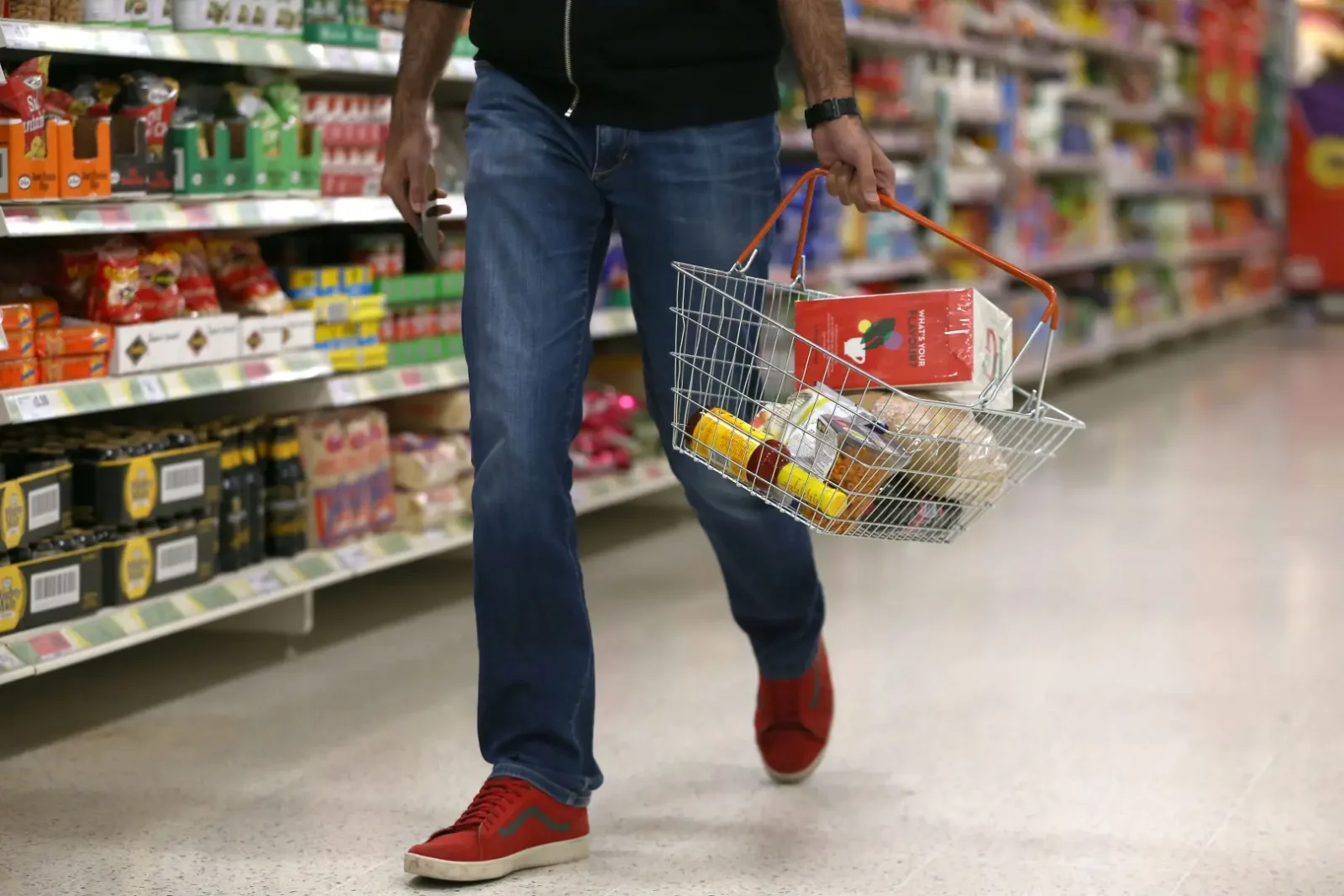
After months of navigating choppy economic waters, the United Kingdom’s economy is showing definitive signs of revitalization, spearheaded by a significant surge in retail sales during June. This upturn provides the clearest indication yet that the British economy is beginning to gain crucial traction, offering a much-needed breath of fresh air for businesses, consumers, and the government alike. According to the latest figures released by the British Retail Consortium (BRC), overall retail sales soared by 3.1% compared with the same period a year ago, painting a picture of renewed consumer confidence and spending power.
This positive development is a welcome contrast to the subdued economic performance witnessed in the preceding months, which had cast a shadow of uncertainty over the nation’s financial outlook. The retail sector, often a bellwether for broader economic health, appears to be leading the charge in what many hope will be a sustained recovery.
The June Surge: Unpacking the Numbers Behind the Optimism
The BRC’s report, a key indicator of retail performance across the UK, offers granular insights into the spending patterns that fueled June’s impressive growth. Helen Dickinson, Chief Executive of the BRC, highlighted the broad-based strength, noting that “Retail sales heated up in June, with both food and non-food performing well.”
Specifically, food sales demonstrated robust growth, rising by 4.1%. While this figure partly reflects the persistent challenge of food inflation, which has steadily climbed throughout the year, it also points to consistent consumer demand for essential goods. The impact of inflation on nominal sales figures is a critical nuance; while consumers are spending more, a portion of this increase is due to higher prices rather than solely increased volume. However, the underlying demand remains strong.
Even more encouraging was the performance of non-food purchases, which saw a healthy 2.2% increase. This turnaround is particularly significant as the retail sector had acted as a drag on the Gross Domestic Product (GDP) in May. Non-food sales often indicate discretionary spending, reflecting greater consumer confidence in their personal financial situations and the broader economic outlook. The BRC attributed a substantial part of this upturn to the unseasonably warmer weather experienced in June. This pleasant climate prompted Britons to open their wallets for seasonal goods such as electric fans, sports equipment, and leisure items, as well as increasing spending on outdoor activities and related products. The psychological boost of good weather, combined with pent-up demand, appears to have unlocked consumer spending.
Beyond the Headline: Navigating a Period of Economic Weakness
The recent surge in retail sales gains added significance when viewed against the backdrop of the UK’s challenging economic landscape earlier in the year. The British economy experienced a notable contraction in both April and May 2025, marking the first consecutive decline in economy-wide activity since 2009. This period of weakness, often signaling a technical recession if sustained, was a cause for considerable concern among policymakers and businesses.
Several domestic and international forces converged to create this difficult economic climate:
- Newly Imposed Tariffs by the United States: Trade relations, particularly with major partners like the United States, are crucial for the UK economy. Recent reports indicate that the US had imposed new tariffs on specific British goods, potentially in response to ongoing trade disputes or to protect domestic industries. These tariffs, which act as taxes on imported goods, made UK exports more expensive and less competitive in the US market, impacting British manufacturers and exporters. The sectors most affected likely included specialized manufacturing, certain agricultural products, and potentially luxury goods, leading to reduced export volumes and revenue for affected businesses. This measure contributed to a slowdown in industrial output and overall trade, dampening economic growth.
- Hike in Corporate Taxes: In an effort to bolster public finances, the UK government had implemented an increase in corporate tax rates. While intended to generate more revenue for public services, such hikes can sometimes deter business investment and expansion. Companies may choose to scale back growth plans, delay capital expenditure, or even consider relocating operations if the tax burden becomes too onerous. This often translates into reduced job creation and slower economic activity as businesses become more cautious with their spending and investment decisions. The corporate tax environment plays a critical role in shaping business confidence and investment flows.
- National Minimum Wage Increase: The government’s decision to raise the national minimum wage, while beneficial for low-income workers, presented a challenge for businesses, particularly small and medium-sized enterprises (SMEs). Higher minimum wages directly translate into increased payroll costs. In response, some businesses were compelled to pare back hiring intentions, reduce staff hours, or even implement layoffs to manage their expenses. This cautious approach to employment contributed to a softer labor market earlier in the year, impacting consumer confidence and overall spending capacity.
- The Lingering Shadow of the Cost of Living Crisis: For ordinary Britons, the primary concern throughout this period has been the escalating cost of living crisis. This complex challenge has manifested in several ways:
- Energy Prices: Volatility in global energy markets, exacerbated by geopolitical events, continued to push up household energy bills, consuming a larger portion of disposable income.
- Food Prices: Food inflation, as noted by the BRC, has been a persistent issue, making everyday groceries more expensive and forcing households to adjust their budgets.
- Housing Costs: Rising mortgage rates (influenced by the Bank of England’s interest rate policy) and increasing rental costs have added significant pressure on household finances.
- Inflation’s Erosion of Purchasing Power: The overall rise in the general price level meant that each pound earned bought less, effectively reducing real incomes for many households.
These combined pressures forced consumers to “tighten their belts,” prioritizing essential spending and cutting back on discretionary purchases, which directly impacted retail sales and broader economic activity.
Green Shoots Emerge: Broader Indicators of Recovery
While the retail sales figures provide a clear snapshot of improving consumer sentiment, they are not isolated. A series of other economic indicators have also begun to flash green, collectively pointing towards a more optimistic outlook for the UK economy.
- Purchasing Managers’ Index (PMI) Expansion: A crucial leading indicator of economic health, the Purchasing Managers’ Index (PMI), published earlier this month, revealed a significant turnaround. Private sector activity, encompassing both manufacturing and services, expanded at its quickest pace in nine months during June. A PMI reading above 50 indicates expansion, while a reading below 50 suggests contraction. This robust expansion signals that businesses are experiencing increased demand, leading to higher output and potentially more hiring. It suggests that the underlying economic momentum is building, moving away from the previous periods of contraction.
- Bank of England Survey and Improving Labour Market Expectations: The Bank of England (BoE), the UK’s central bank responsible for monetary policy and maintaining financial stability, conducts regular surveys to gauge business sentiment. A recent BoE survey delivered highly encouraging news regarding the labor market. It found that companies are now ready to start taking on new staff again, with plans to add to payrolls by 1.1% over the next 12 months. This represents a sharp rebound compared to the cautious hiring approach observed at the beginning of the year. An improving labor market is a powerful driver of consumer spending; more jobs and higher wages translate directly into increased household income, which in turn fuels retail sales and broader economic growth. This positive feedback loop is essential for a sustained recovery.
- Expert Analysis Echoes Optimism: Leading economists and research fellows are increasingly concurring that the worst of the economic downturn may have passed. Paul Dales, a prominent Research Fellow, noted in a recent investor brief that while the recovery remains tentative, the recent data strongly indicates a return of confidence in key sectors of the economy. This sentiment is echoed by other analysts who point to the resilience of the UK’s underlying economic fundamentals and the ability of businesses to adapt to challenging conditions. While caution is still advised given global uncertainties, the prevailing mood among economic commentators is one of cautious optimism.
Political Ramifications: A Lifeline for Prime Minister Starmer
The brighter economic horizon could not have arrived at a more opportune moment for Prime Minister Keir Starmer and his administration. Having recently assumed office, the government has been grappling with a formidable array of challenges, from widespread cost-of-living complaints among the populace to persistent issues of low productivity and sluggish economic growth. These economic headwinds had placed considerable pressure on the new administration, demanding immediate and effective solutions.
The recovery in retail sales, coupled with rising business confidence and improved labor market expectations, offers a much-needed respite for Starmer’s government. This positive economic news provides the administration with crucial political room to maneuver. Instead of being solely preoccupied with crisis management and fending off accusations of economic mismanagement, the government can now pivot towards launching new reforms and long-term investment plans. This positive economic backdrop allows them to pursue their policy agenda without the immediate threat of a worsening recession overshadowing their efforts.
For Prime Minister Starmer, this period represents a narrow window of opportunity to cement public backing and stabilize the economy. Should these “green shoots” of recovery continue to flourish throughout the remainder of the summer and into the autumn, the UK could end 2025 with a stronger economic base than many dared to believe possible earlier in the year. A sustained economic recovery would not only alleviate public discontent but also strengthen the government’s mandate to implement its broader policy agenda, potentially leading to increased foreign investment and a more robust fiscal position.
Lingering Caution and the Path Ahead
Despite the undeniable positive momentum, economists and policymakers remain cautious, emphasizing that the recovery, while promising, is still tentative. Several factors continue to warrant close monitoring:
- Ongoing Global Uncertainty: The global economic landscape remains volatile. Geopolitical tensions in various parts of the world, potential disruptions to global supply chains, and continued fluctuations in energy prices could still pose significant headwinds for the UK economy. As an open economy, the UK is susceptible to external shocks, and a downturn in major trading partners could impact its recovery.
- Persistent Food Inflation: While overall inflation may be easing, the continued rise in food prices remains a significant concern for households, particularly those on lower incomes. High food costs erode disposable income, limiting the extent to which consumers can increase their discretionary spending, and could dampen the retail sales momentum if not brought under control. The Office for National Statistics (ONS) regularly publishes detailed inflation figures, which will be closely watched for signs of food price stabilization.
- Potential Interest Rate Changes from the Bank of England: The Bank of England faces a delicate balancing act. While the economy shows signs of recovery, the BoE’s primary mandate is to control inflation. If inflation remains stubbornly high, or if economic growth accelerates too rapidly, the Bank might consider further interest rate adjustments. Changes in interest rates directly impact borrowing costs for businesses and consumers, affecting mortgage payments, business loans, and overall spending. Any unexpected moves could introduce new uncertainties into the market.
Economists are carefully analyzing these trends, with many suggesting that the recent data indicates the UK could narrowly miss a prolonged recession. A recession is typically defined as two consecutive quarters of negative GDP growth. While April and May saw contractions, a strong performance in June and the positive outlook for the second half of the year could prevent the UK from entering a technical recession. However, even if a technical recession is avoided, the economy may still experience a period of slower-than-desired growth, often referred to as a “growth recession” or a period of stagnation.
For Prime Minister Starmer, the coming months are critical. The current economic “green shoots” offer a crucial opportunity to build momentum, implement reforms, and demonstrate effective economic stewardship. Should these positive trends continue to flourish during the remainder of the summer and into the autumn, the UK could indeed end 2025 on a much stronger economic footing than many had anticipated earlier in the year, paving the way for a more stable and prosperous future. The challenge now lies in nurturing these nascent signs of recovery into a robust and sustainable economic expansion.
Ready to take your career to the next level? Join our dynamic courses: ACCA, HESI A2, ATI TEAS 7 , HESI EXIT , NCLEX – RN and NCLEX – PN, Financial Literacy!🌟 Dive into a world of opportunities and empower yourself for success. Explore more at Serrari Ed and start your exciting journey today! ✨
photo source: Google
By: Montel Kamau
Serrari Financial Analyst
15th July, 2025