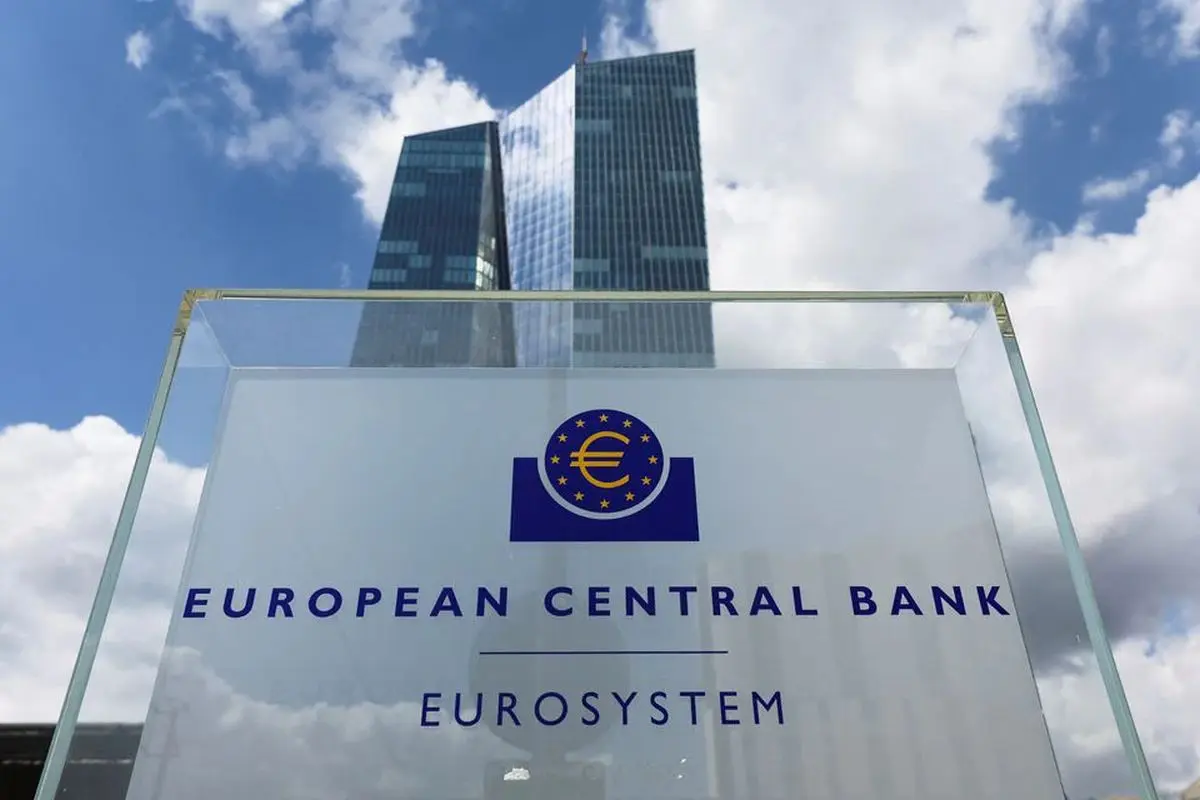
The European Central Bank (ECB) is widely expected to cut interest rates again this Thursday as part of its ongoing efforts to support the eurozone economy amid fluctuating inflation and global economic uncertainty. However, despite the likely rate cut, policymakers and analysts are increasingly discussing the possibility of a pause in the ECB’s year-long easing cycle over the summer months.
The ECB’s Recent Rate-Cutting Journey: Seven Cuts in 13 Months
Since mid-2024, the ECB has progressively lowered borrowing costs seven times in response to inflationary pressures easing from the post-pandemic highs that roiled the global economy. This aggressive monetary easing marks a strategic pivot from the tight monetary stance the bank had maintained through the previous years as it battled record-high inflation rates.
The ECB’s rate cuts have aimed at propping up an economy that has been faltering under the weight of multiple headwinds, including erratic U.S. economic policies and trade tensions, as well as internal challenges in several eurozone member states.
As of Thursday’s anticipated decision, the ECB’s deposit rate—the rate at which banks can park funds overnight with the central bank—would be cut to 2.0%. This level is widely considered by the ECB as “neutral,” meaning it neither stimulates nor restricts economic growth, according to the bank’s own assessments.
Inflation Eases, But Uncertainty Remains
The recent easing of inflation, which has moved closer to the ECB’s 2% target for price stability, has helped pave the way for the current round of rate cuts. Inflation data from Eurostat shows that inflation in the euro area has moderated steadily over the past months, from peaks of around 8% in 2023 to roughly 2.1% in May 2025. This easing has been partly driven by falling energy prices and slowing demand in some sectors.
However, many economists caution that this low-inflation environment may not persist throughout the year, warning of risks that could reverse the trend and trigger renewed price pressures.
The ECB must balance these opposing forces—supporting a sluggish economy in the near term while preparing for possible inflationary risks down the road.
Divergent Economic Outlooks within the Eurozone
One of the complexities the ECB faces is the divergent outlook between the short- and medium-term economic forecasts for the eurozone’s 20 member countries.
- Short-term outlook: Inflation is expected to continue declining, potentially dipping even below the 2% target in 2026. This has raised fears of a prolonged period of disinflation or even deflation, reminiscent of the low-price growth environment that characterized much of the 2010s before the pandemic.
- Medium-term outlook: Several factors threaten to push inflation higher again later, including rising labor costs due to demographic shifts, increased defense spending, and the economic costs of transitioning to a greener economy.
This divergence complicates monetary policy decisions, as actions suitable for near-term support might overheat the economy in the medium term.
Global Uncertainty and Trade Tensions
A significant part of the current economic uncertainty comes from global trade dynamics, especially between the United States and the European Union.
The ongoing U.S.–EU trade tensions have led to tariffs and counter-tariffs that increase costs for businesses and disrupt supply chains. Although recent diplomatic efforts aim to reduce these frictions, the lingering uncertainty affects investment decisions and economic confidence.
Economists like Sandra Horsfield from Investec highlight that this uncertainty has a disinflationary impact in the near term because firms hesitate to make long-term investments or hire more staff amidst unpredictable tariff regimes.
The Lagged Impact of Monetary Policy
Monetary policy decisions typically affect the economy with a lag of 12 to 18 months. This means that rate cuts approved now might continue to influence economic activity long after the ECB changes its stance.
Given this lag, there is a risk that easing monetary policy today could end up overstimulating the economy in late 2025 or 2026, potentially pushing inflation above the ECB’s target once again.
This delayed effect is central to the debate about whether the ECB should:
- Continue cutting rates aggressively, or
- Pause this cycle to reassess economic conditions and avoid overstimulation.
The Case for a Summer Pause
Many investors and some ECB policymakers expect a pause in rate cuts during July to evaluate how previous decisions impact the economy. This break would also give the bank time to observe how uncertainties such as trade tensions and geopolitical risks evolve.
According to Deutsche Bank analysts, gaining support for the June rate cut from more hawkish members of the ECB’s Governing Council might require an “implicit willingness to pause in July and wait until September before easing again,” assuming there are no major economic shocks.
This approach would offer a cautious path forward, balancing support for growth while monitoring inflation risks.
Looking Ahead: Inflation, Growth, and Policy Risks
The ECB’s economic projections are expected to be downgraded this week, with lower estimates for both growth and inflation in 2026. The eurozone economy has been sluggish due to:
- Lingering pandemic disruptions,
- Weaker global demand,
- Impact of trade barriers, and
- Energy price fluctuations.
However, longer-term risks remain substantial:
1. Rising Defense Spending and Fiscal Pressures
Germany, Europe’s largest economy, has committed to increasing its defense budget significantly amid rising geopolitical tensions. This higher government spending could translate into increased demand and potential wage pressures, contributing to inflationary forces.
2. Green Transition Costs
The EU’s ambitious Green Deal aims to make the continent carbon-neutral by 2050. However, transitioning energy, transport, and industrial sectors to greener alternatives involves substantial upfront costs that may be passed on as higher prices in the short to medium term.
3. Labor Market Tightness and Demographic Shifts
Europe is facing an aging population and shrinking workforce, particularly in countries like Germany, Italy, and France. This demographic transition is expected to cause structural labor shortages, pushing wages higher and creating inflationary pressures.
UBS economist Reinhard Cluse has noted that these structural tightness issues could force the ECB to reconsider its current easing trajectory, possibly leading to rate hikes in late 2026 to counter rising inflation expected in 2027.
What Does This Mean for Businesses and Consumers?
For businesses, the ECB’s decision signals a continuing low-interest-rate environment in the near term, which can:
- Lower borrowing costs,
- Encourage investment and expansion, and
- Support fragile economic growth.
However, the possibility of a summer pause and eventual rate increases means companies must remain vigilant about future financing costs and inflation risks.
For consumers, lower rates generally translate to:
- More affordable loans and mortgages,
- Potentially stronger employment prospects, and
- Better access to credit.
But consumers may also face rising prices if inflation rebounds due to the structural factors discussed earlier.
How Are Markets Reacting?
Financial markets have been pricing in a rate cut this week, with futures contracts indicating an 80% probability of a 25 basis point reduction. Market attention will focus on ECB President Christine Lagarde’s statements following the announcement for clues about future policy.
Investors will particularly watch for:
- Guidance on the potential July pause,
- Assessment of inflation risks, and
- Comments on the global economic outlook and trade tensions.
The Role of ECB President Christine Lagarde
Since taking office in late 2019, Christine Lagarde has navigated the ECB through unprecedented challenges, including the COVID-19 pandemic, energy crises, and geopolitical tensions.
Her leadership style emphasizes communication clarity and balanced policy decisions. This week’s meeting will be a key moment for Lagarde to set expectations for the rest of the year and demonstrate the ECB’s readiness to adapt to evolving economic realities.
Conclusion: Navigating a Complex Economic Landscape
The ECB’s upcoming rate cut is largely expected and reflects ongoing efforts to stimulate the eurozone economy. However, the debate about a summer pause underscores the delicate balance the bank must maintain between supporting growth and preventing future inflation spikes.
With inflation nearing target, growth uncertainties, and structural pressures on the horizon, the ECB’s policy path remains complex and contingent on a range of domestic and international factors.
This juncture marks a critical moment in European monetary policy, with implications not just for the eurozone but for the global economy as well.
Ready to take your career to the next level? Join our dynamic courses: ACCA, HESI A2, ATI TEAS 7 , HESI EXIT , NCLEX – RN and NCLEX – PN, Financial Literacy!🌟 Dive into a world of opportunities and empower yourself for success. Explore more at Serrari Ed and start your exciting journey today! ✨
photo source: Google
By: Montel Kamau
Serrari Financial Analyst
5th June, 2025