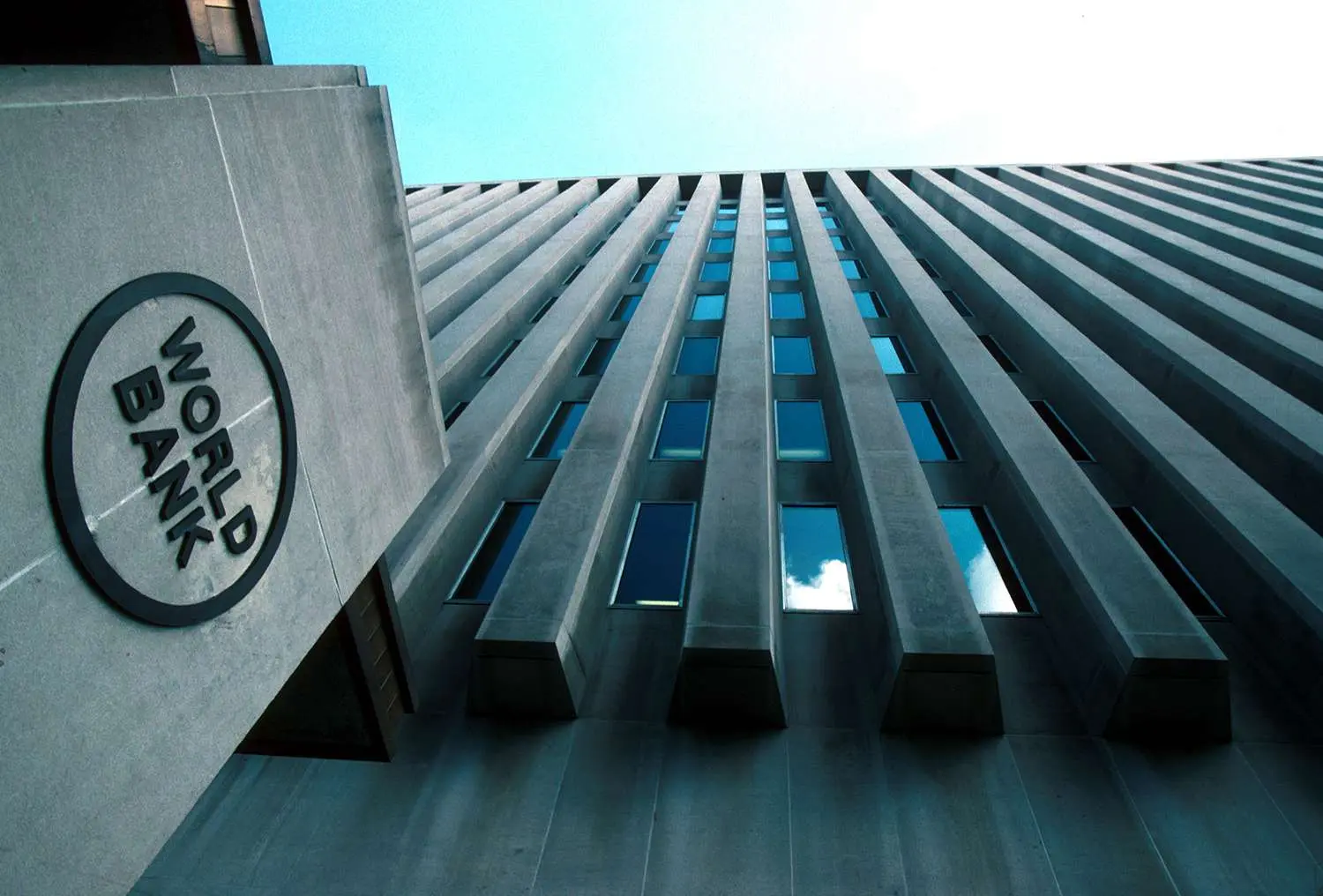
The World Bank trimmed its forecast for Kenya’s economic growth in 2025 from 5.0 percent to 4.5 percent, warning that heavy government borrowing, elevated lending rates, and a sharp contraction in private‐sector credit risk stifling the nation’s business engines (Reuters, Bloomberg).
Growth Outlook Revised Downwards
In the biannual Kenya Economic Update, released Tuesday, the World Bank highlighted that Kenya’s GDP growth slowed to 4.7 percent in 2024—down from 5.7 percent in 2023—amid public discontent over tax hikes and sluggish private investment.
- 2025 forecast: 4.5 percent (previously 5.0 percent)
- 2024 outcome: 4.7 percent (down from 5.7 percent in 2023)
- 2026–27 outlook: Recovery to roughly 5.0 percent, conditional on stable weather and continued reforms.
The bank cautioned that without decisive action, Kenya could forgo gains in living standards and job creation in the coming years.
Crowding-Out: The Fiscal Squeeze on Private Investment
Kenya’s public debt burden—65.5 percent of GDP—has forced authorities to tap domestic banks to finance budget shortfalls, pushing up lending rates and leaving fewer funds for businesses (Reuters).
Key points:
- High interest rates: Although inflation remains within the Central Bank of Kenya’s target (2.5–7.5 percent), real lending rates have stayed elevated, deterring new loans.
- Fiscal deficit financing: With external borrowing constrained, the government plans to cap its fiscal deficit at 4.5 percent of GDP in 2025/26—down from 5.1 percent in 2024/25—requiring KSh 4.9 trillion in domestic debt issuance.
- Unpaid bills: Legacy arrears to suppliers and county governments have further strained bank balance sheets, raising concerns over public-sector payment discipline.
The upshot: Kenya’s commercial banks face a tough balancing act—tracking government paper for stable yields while preserving capacity to lend to manufacturers, traders, and service providers.
Private Sector Credit Plummets
A dramatic reversal in credit growth has compounded the slowdown. After soaring 13.9 percent in December 2023, private‐sector credit growth plunged to –1.4 percent by December 2024.
- Manufacturing: Investment in factories and processing plants has stalled as borrowing costs approach double digits.
- Financial services: Smaller banks report rising nonperforming loans—particularly on unsecured lending—eroding capital buffers.
- Mining and construction: Projects have been shelved or delayed, weighing on employment in these key sectors.
The lack of affordable credit risks turning Kenya’s youthful and rapidly urbanizing workforce into idle capacity rather than an engine of growth.
Inflation and Exchange-Rate Stability
Encouragingly, Kenya has maintained macroeconomic stability despite fiscal pressures:
- Inflation: Stood at 3.6 percent in March 2025, well within the Central Bank’s target band.
- Exchange rate: The shilling has traded in a narrow range around KSh 150 = US$1, thanks to remittance inflows and cautious Central Bank interventions.
Yet, the failure of lending rates to follow downwards has left borrowing costs persistently high, contributing to the credit squeeze highlighted by the World Bank.
Sectoral Impacts and Vulnerabilities
1. Agriculture and Agribusiness
- Horticulture: Shipped record volumes of flowers and fresh produce in Q1 2025, but exporters face margin pressures as FX fees and financing costs rise.
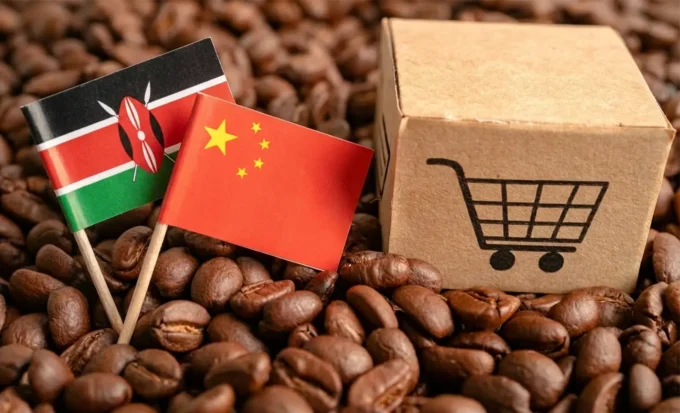
- Tea and coffee: Auction prices have recovered, but smallholders lack collateral to expand output given tighter credit conditions.
2. Manufacturing and Industry
- Textiles: Nairobi’s garment parks report a 25 percent drop in new orders, citing high working-capital financing costs.
- Automotive assembly: Expansion plans for electric-vehicle kits have stalled over uncertainty on credit availability and import duty reforms under the Finance Act 2024.
3. Services and Technology
- Fintech: Mobile-money platforms such as M-Pesa see robust transaction volumes, yet their lending arms face elevated default rates as SME borrowing declines.
- Tourism: Visitor arrivals are rebounding to pre-pandemic levels, but hotels and tour operators are hamstrung by higher borrowing costs for renovations and expansions.
Policy Recommendations: Steering Back to Inclusive Growth
The World Bank urged Nairobi to balance fiscal consolidation with growth-friendly measures:
- Targeted tax reforms: Eliminate or phase out exemptions in consumption taxes—such as Value-Added Tax waivers on select imports—to broaden the revenue base without raising headline rates.
- Debt-management strategy: Shift gradually from short-term Treasury bills to longer-dated bonds, reducing rollover risk and compressing yields over time.
- Credit-line guarantees: Expand government-backed partial-credit guarantees for SMEs in high-growth sectors, crowding in private capital while sharing risk.
- Public-investment prioritization: Channel scarce resources into high-multiplier projects—such as rural roads and digital infrastructure—that unlock private-sector productivity.
Medium-Term Outlook and Risks
Assuming Kenya implements the recommended reforms and avoids external shocks, growth is projected to recover toward 5.0 percent by 2026–27, underpinned by easing inflation and gradual credit re-acceleration (World Bank). Key risks include:
- Climate volatility: A delayed or erratic rainy season could undermine agricultural output, eroding export earnings and rural incomes.
- Global tightening: Further interest-rate rises by major central banks could widen funding costs and dampen remittance flows.
- Debt distress: A sudden loss of investor confidence in government bonds could trigger a fiscal-financing crisis.
Monitoring Indicators
- Credit-to-private‐sector ratio: Currently at 37 percent of GDP—below the 50 percent frontier-market average.
- Nonperforming loans: Track trends across bank tiers, particularly in unsecured and overseas lending.
- Fiscal deficit: Ensure the 4.5 percent target for FY 2025/26 is met to anchor debt sustainability.
Conclusion: Navigating the Credit Crunch
Kenya’s downgrade by the World Bank underscores a pivotal challenge: preserving the hard-won gains in macro stability while reigniting private-sector dynamism. Curbing deficits and taming borrowing costs must go hand in hand with targeted support for businesses squeezed out by expensive credit.
As Nairobi negotiates with donors and fine-tunes its budget, the choices made this year will reverberate through employment, poverty levels, and the country’s ability to attract foreign investment. With prudent reforms, Kenya can emerge from this credit crunch ready to reclaim its position as East Africa’s growth leader.
Ready to take your career to the next level? Join our dynamic courses: ACCA, HESI A2, ATI TEAS 7 , HESI EXIT , NCLEX – RN and NCLEX – PN, Financial Literacy!🌟 Dive into a world of opportunities and empower yourself for success. Explore more at Serrari Ed and start your exciting journey today! ✨
Photo source: Google
By: Montel Kamau
Serrari Financial Analyst
27th May, 2025