
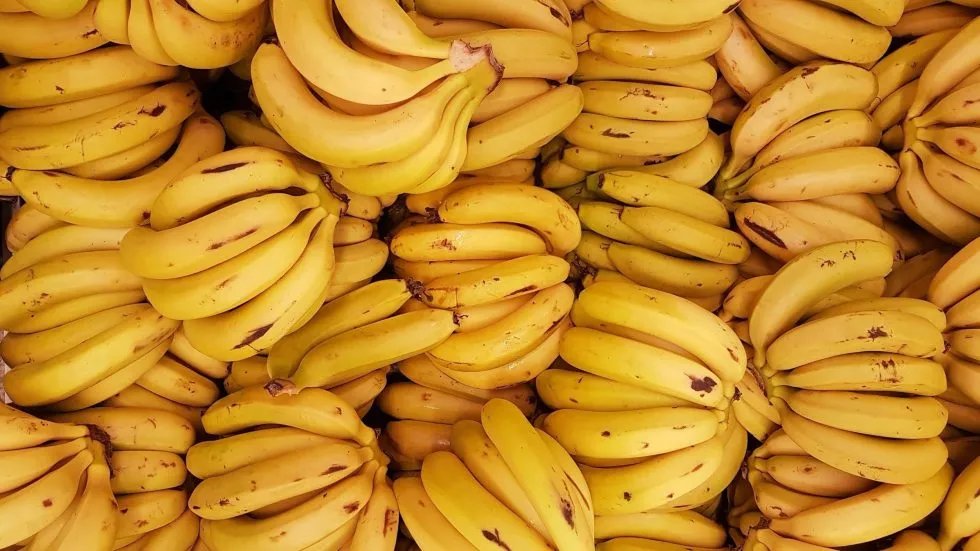
In response to swirling media reports and diplomatic rumblings, South Africa’s Department of Agriculture has officially denied ever imposing a ban on the importation of Tanzanian bananas. Instead, officials emphasize that market access for this staple fruit has simply never been formalized—meaning neither a ban nor approval has been put into effect. The clarification comes amid speculation that Tanzania might retaliate against South African agricultural exports, notably apples, over perceived restrictions on banana imports.
A Misunderstanding Takes Root
Recent headlines suggested that Tanzanian authorities were contemplating a ban on South African agricultural produce, citing South Africa’s alleged refusal to admit Tanzanian bananas. In a statement issued on 15 May, the Department of Agriculture stressed that:
“There was never a ban on the imports of bananas from Tanzania to South Africa, as market access had never been formally granted or denied.” (Bizcommunity)
This official pronouncement seeks to steady frayed nerves on both sides of the border, reaffirming that cooperative negotiations—rather than prohibition—have characterized Pretoria and Dodoma’s dialogue on banana trade.
Banana Trade in Southern Africa: A Snapshot
Bananas rank among the world’s most consumed fruits and are a cornerstone of food security in many African nations. In 2024, the Food and Agriculture Organization (FAO) estimated that Africa produced over 42 million tonnes of bananas, with Tanzania contributing roughly 3.1 million tonnes, making it the continent’s third-largest producer after Uganda and Nigeria (Bizcommunity).
Meanwhile, South Africa’s domestic demand—particularly during the Southern Hemisphere off-season—has spurred interest in counter-seasonal imports from tropical neighbours. In 2023, South Africa imported 12,500 tonnes of bananas, valued at US $10 million, from a mix of suppliers, including Brazil, Ecuador and Zimbabwe; Tanzania’s share has been nil, not due to prohibition, but because no phytosanitary protocol has yet been implemented (Food Business Africa).
Market Access and Phytosanitary Protocols
Trade in live plants and fresh produce is governed by stringent biosecurity measures to prevent the spread of pests and diseases. Under the International Plant Protection Convention (IPPC), member countries must conduct a Pest Risk Analysis (PRA) before permitting imports of new commodities (Government of South Africa).
In February 2025, Tanzania formally submitted a market-access application to South Africa’s National Plant Protection Organisation (NPPOZA) to export bananas. This triggered a scientific PRA, wherein NPPOZA assesses potential threats—most notably Fusarium oxysporum f. sp. cubense Tropical Race 4 (TR4), the banana-wilt pathogen that has devastated plantations in Asia and Latin America (Bizcommunity).
The TR4 Threat: A Shared Concern
The spectre of TR4 looms large. First identified in Taiwan in the 1960s, TR4 has since spread to Southeast Asia, the Middle East and parts of Africa, where it can wipe out entire banana plantations within months. The fungus survives in soil for decades, making eradication virtually impossible. TR4’s incursion into Mozambique in 2020 underscored the region’s vulnerability—and sharpened South Africa’s caution (FreshPlaza).
By adhering to IPPC protocols, South Africa and Tanzania aim to develop science-based import conditions—for example, requiring certified TR4-free planting material, post-harvest disinfestation or specified packaging—to mitigate risks without resorting to blanket bans. Such measures protect both nations’ multi-million-dollar banana industries.
Bilateral Agricultural Cooperation Beyond Ban Myths
Contrary to the ban narrative, South Africa and Tanzania have a track record of collaboration in plant-product trade. Over the past four years, Tanzanian avocados have entered South African markets, offering a counter-seasonal supply that complements domestic harvests and satisfies consumer demand during local off-seasons (Bizcommunity).
Moreover, technical teams from NPPOZA and Tanzania’s Plant Health Services have engaged in joint workshops, field inspections and data-sharing exercises to harmonize phytosanitary standards. This cooperative approach extends to other commodities such as mangoes, cut flowers and macadamia nuts underscoring that the relationship is defined by negotiation, not prohibition.
Ripples in the Region: Tanzania’s Apple Ban
Ironically, while South Africa’s Department of Agriculture refutes any banana ban, Tanzania recently imposed a ban on South African apples, citing what it termed Pretoria’s “foot-dragging” on banana market access (Food Business Africa). That move put 8,000 tonnes of South African apples, valued at US $12 million, in limbo—impacting farmers in the Western Cape and economy at large.
The subsequent diplomatic back-and-forth culminated in a lifting of the apple ban just days later, after interventions by South Africa’s International Relations Ministry and assurances that banana negotiations would continue apace (Bloomberg Government). This episode underscores how trade disputes over single commodities can escalate into broader diplomatic challenges within the Southern African Development Community (SADC).
Regional Trade Frameworks: SADC and AfCFTA
Both South Africa and Tanzania are signatories to the SADC Protocol on Trade, which seeks to eliminate tariffs and non-tariff barriers among member states. Under this framework, phytosanitary measures must be science-based and transparent, with dispute-resolution mechanisms available for alleged violations (Government of South Africa).
Additionally, the African Continental Free Trade Area (AfCFTA)—operational since 2021—aims to deepen intra-African trade by 52 percent by 2035. The banana issue highlights the importance of harmonized sanitary-phytosanitary (SPS) regulations to unlock AfCFTA’s full potential, enabling countries to trade safely and efficiently without improvisational bans.
Economic Stakes: Benefits of Banana Trade
Should market access be granted, South African retailers and importers stand to gain from:
- Year-round supply: Filling local off-season gaps, stabilizing prices for consumers.
- Product diversity: Introducing new banana cultivars, enhancing nutritional and taste profiles.
- Regional integration: Strengthening East–Southern Africa trade corridors, reducing reliance on distant suppliers.
From Tanzania’s perspective, access to South Africa the continent’s most liquid grocery market could unlock US $20 million in export revenues annually and spur technology transfer in post-harvest handling and cold-chain logistics.
Looking Ahead: Ensuring Smooth Market Entry
To translate negotiations into actual trade flows, stakeholders must:
- Accelerate the PRA timeline by deploying joint expert teams, perhaps under FAO or IPPC technical assistance.
- Design robust traceability systems, leveraging barcodes or blockchain to certify material origin and TR4-free status.
- Engage private sector partners, such as exporters’ associations and retail chains, to co-finance pre-export inspections and treatment facilities.
- Communicate transparently with producers ensuring Tanzanian farmers understand South African requirements and timelines.
Such steps can transform the banana fracas into a model for SPS cooperation showcasing how two neighbours can convert potential trade tensions into opportunities for mutual gain.
Conclusion: From Speculation to Science
The recent media spectacle over alleged banana bans obscured a more nuanced reality: no prohibition exists, only an uncompleted SPS protocol. As South Africa and Tanzania navigate the PRA process, their commitment to international standards, regional trade agreements and biosecurity will determine whether bananas flow across their shared borders.
Beyond bananas, this episode offers lessons for all African nations: transparent, science-based negotiations not reactionary bans are the bedrock of resilient, integrated markets. In a continent striving to fulfil AfCFTA’s promise, the South Africa Tanzania banana dialogue could well become a blueprint for harmonized agricultural trade across Africa.
Ready to take your career to the next level? Join our dynamic courses: ACCA, HESI A2, ATI TEAS 7 , HESI EXIT , NCLEX – RN and NCLEX – PN, Financial Literacy!🌟 Dive into a world of opportunities and empower yourself for success. Explore more at Serrari Ed and start your exciting journey today! ✨
photo source: Google
By: Montel Kamau
Serrari Financial Analyst
21th May, 2025