Introduction
The Federal Government of Nigeria has completed the crucial legal and governance frameworks required to operationalise the long-awaited African Energy Bank (AEB), with preparations for its official launch now entering the final stretch. The announcement came at a high-level review meeting in Abuja, chaired by the Minister of State for Petroleum Resources (Oil), Senator Heineken Lokpobiri, and attended by Prof. Benedict Oramah, President of the African Export-Import Bank (Afreximbank), and Dr. Omar Farouk Ibrahim, Secretary General of the African Petroleum Producers’ Organisation (APPO). This milestone paves the way for a game-changing financing platform designed to bridge Africa’s estimated US$31.5–45 billion annual energy investment gap (Carnegie Endowment, energychamber.org).
Addressing Africa’s Energy Financing Gap
Africa currently attracts just 3 percent of global energy investment despite accounting for nearly one-fifth of the world’s population, leaving the continent with a finance shortfall estimated at between US$31 billion and US$50 billion per year to meet both traditional and renewable energy needs (Carnegie Endowment, IEA). Nearly 600 million Africans still lack reliable electricity access, underscoring the urgent need for innovative financing solutions to accelerate grid expansion, off-grid renewables, and upstream hydrocarbon projects alike (Reuters).
Origins and Objectives of the African Energy Bank
The AEB is a joint initiative of APPO and Afreximbank, conceived to channel capital into priority energy projects across the continent. Initially capitalised at US$5 billion, it aims to support everything from oil and gas infrastructure to solar and hydroelectric schemes, and emerging technologies such as green hydrogen. By linking funding directly to member-country commitments and private co-investors, the institution seeks to foster financial self-reliance and reduce dependence on traditional donors.
High-Level Review Meeting in Abuja
On May 18, 2025, Minister Lokpobiri convened a “stock-take” meeting at the Ministry’s headquarters in Abuja, joined by key stakeholders from Afreximbank and APPO. In a statement signed by Nneamaka Okafor, Special Assistant on Media and Communications to the Minister, the delegation confirmed that all critical milestones—from drafting the AEB’s founding charter to finalising its board structure—have either been completed or are on schedule (Punch, The Guardian Nigeria).
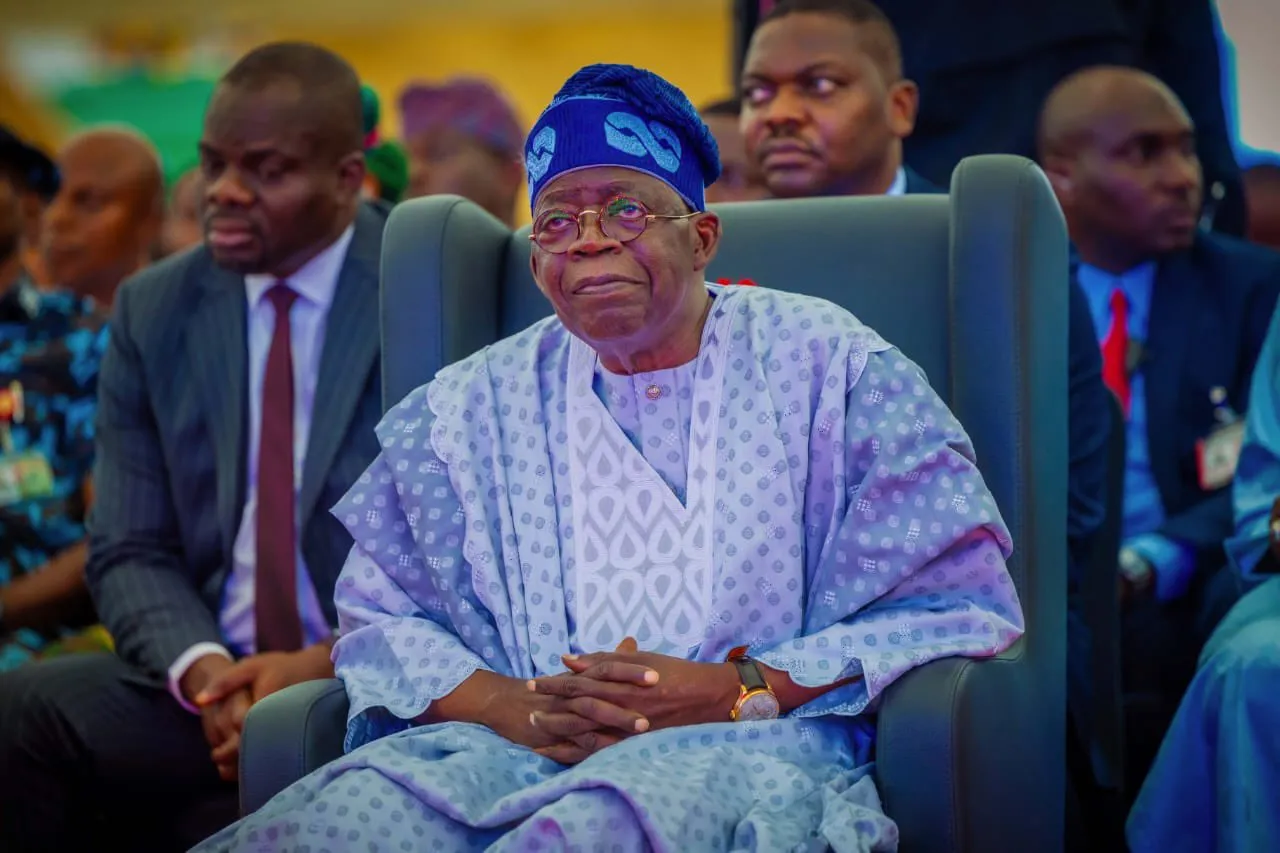
Lokpobiri remarked, “The AEB is poised to become a transformative financing platform for energy projects across the continent. This review confirms that every critical milestone is either completed or on schedule, and we remain fully aligned with our continental partners.” He also acknowledged the unwavering support of President Bola Tinubu in shepherding the project forward.
Robust Governance and Safeguards
Drawing lessons from past initiatives, the AEB’s framework embeds rigorous checks and balances:
- Legal Frameworks: A bespoke charter outlining the bank’s mandate, governance structure, and dispute-resolution mechanisms.
- Source-of-Funds Verification: Independent audits and anti-money-laundering (AML) protocols to ensure transparency.
- Board Composition: A mix of public-sector appointees and private-sector experts, each subject to conflict-of-interest rules.
- Ongoing Oversight: Annual financial disclosures and performance reviews by an independent oversight committee.
These measures aim to safeguard the bank’s integrity and ensure that investments deliver measurable benefits, avoiding the pitfalls that beset former programmes like the now-defunct Tier 1 Investor Visa in the UK (ICIR News, Leadership News).
Capital Mobilisation and Member Commitments
Nigeria’s hosting of the AEB headquarters in Abuja strengthens its leadership role in Africa’s energy sector. To date, US$19 billion has been pledged by APPO member states and private investors to support both the bank’s initial capitalisation and future lending windows. Key contributors include Nigeria, Angola, and Ghana—collectively representing 44 percent of the bank’s minimum funding threshold—underscoring the region’s shared commitment to investment in energy infrastructure (World Oil, The Nation Newspaper).
Strategic Priorities: Balancing Tradition and Transition
The AEB’s dual mandate covers:
- Upstream and Midstream Oil & Gas: Upgrades to aging pipelines, offshore platforms, and liquefied natural gas (LNG) facilities—vital for revenue generation in producer nations.
- Power Generation & Transmission: Financing large-scale hydroelectric projects, gas-to-power plants, and grid extensions to reduce transmission losses (currently averaging 15 percent continent-wide) (IEA).
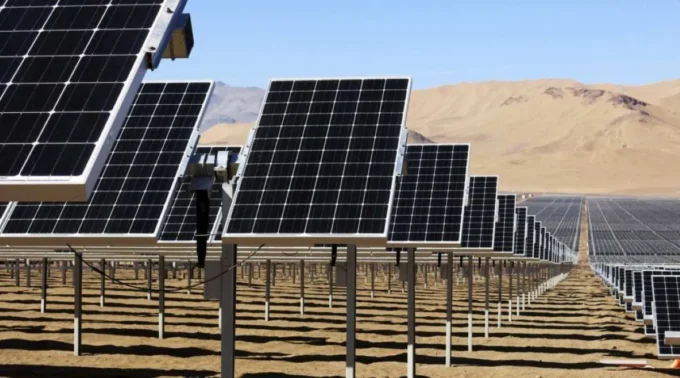
- Renewable Energy & Energy Access: Deployment of solar mini-grids, wind farms, and distributed generation in underserved regions, aligned with national electrification goals.
- Clean-Tech Innovation: Support for green hydrogen, battery storage, and carbon-capture initiatives, in line with African nations’ Nationally Determined Contributions under the Paris Agreement.
This balanced approach acknowledges the immediate need for energy security while paving the way for a sustainable transition.
Complementary International Efforts
The AEB arrives amid a flurry of energy-sector initiatives across Africa. Just days ago, the World Bank approved a US$350 million grant for Malawi’s Mpatamanga Hydropower Storage Project—its largest-ever FDI in the country—set to double the nation’s hydropower capacity and electrify over one million households. Meanwhile, the European Bank for Reconstruction and Development (EBRD) has welcomed Nigeria, Ivory Coast, and Benin as new members, unlocking access to green-transition financing once treaty amendments take effect in July 2025 (Reuters).
Stakeholder Perspectives
- Afreximbank: Prof. Benedict Oramah affirmed his institution’s readiness to deploy its structuring know-how and capital base to ensure the AEB’s credible launch, attracting global co-investors in the process.
- APPO: Dr. Omar Farouk Ibrahim praised Nigeria’s meticulous adherence to establishment requirements, underscoring the bank’s mission to deliver “affordable, sustainable energy to Africans.”
- Civil Society: Transparency International and other NGOs have called for public disclosure of investor contributions and impact metrics to prevent undue influence and bolster public trust in the new institution.
Projected Impact and Economic Benefits
Independent modelling by the Oxford Institute for Energy Studies suggests that a fully capitalised AEB could unlock more than US$20 billion annually in energy investments by 2030, stimulating job creation, boosting GDP growth by up to 3 percent in member states, and enhancing energy access for over 100 million people (ESI Africa). The bank’s lending facilities are designed to crowd in additional private capital by offering risk-mitigation instruments, such as partial credit guarantees and first-loss equity tranches.
Risks and Implementation Challenges
Despite broad optimism, experts warn of potential obstacles:
- Administrative Capacity: Scaling up vetting, compliance, and monitoring systems to handle complex cross-border financing.
- Policy Coordination: Ensuring alignment among multiple ministries—Energy, Finance, Environment—and international regulators.
- Market Volatility: Managing exposure to fluctuating commodity prices and currency risks, particularly in oil-dependent economies.
The government has pledged to address these through inter-ministerial task forces and technical assistance partnerships with multilateral development banks.
Timeline to Launch
- June 2025 (Projected): Official inauguration of the AEB headquarters in Abuja, with board members from member states and private partners.
- Q3 2025: First tranche of lending operations, focusing on near-shovel-ready projects in power transmission and gas-to-power.
- 2026 and Beyond: Expansion of funding windows to renewables, green hydrogen pilot projects, and regional interconnector schemes.
Stakeholders anticipate the inaugural board meeting date will be publicly announced in the coming weeks.
Looking Ahead: A Catalyst for Africa’s Energy Future
As African nations pursue ambitious electrification and climate goals, the African Energy Bank promises to become a cornerstone institution—blending strategic public-sector mandates with private-sector dynamism. By embedding stringent governance, mobilising billions in capital, and targeting both traditional and clean-energy projects, the AEB is set to reshape the continent’s energy financing landscape and accelerate a just, sustainable transition for all Africans.
Ready to take your career to the next level? Join our dynamic courses: ACCA, HESI A2, ATI TEAS 7 , HESI EXIT , NCLEX – RN and NCLEX – PN, Financial Literacy!🌟 Dive into a world of opportunities and empower yourself for success. Explore more at Serrari Ed and start your exciting journey today! ✨
Photo source: Google
By: Montel Kamau
Serrari Financial Analyst
19th May, 2025