Nigeria has officially secured full membership in the Asian Infrastructure Investment Bank (AIIB), following formal approval by the Federal Executive Council in Abuja on May 6, 2025. As Asia’s Beijing‑based multilateral development bank celebrates nearly a decade of operations, Nigeria’s accession marks a milestone in Africa’s deepening engagement with alternative sources of long‑term, low‑cost infrastructure financing. With its US $5 million equity contribution, Nigeria joins 18 African peers in tapping the AIIB’s US $100 billion capital base, unlocking fresh avenues to fund roads, rail, power and water projects that underpin economic transformation for its estimated 220 million citizens.
The AIIB: An Overview
Launched in October 2016 with founding members drawn largely from Asia, the AIIB was created to address critical infrastructure gaps by mobilizing public and private capital for sustainable projects. Its mandate emphasizes environmental, social and governance standards, requiring member countries to adhere to stringent criteria for project selection, implementation and monitoring. Over the past eight years, the bank has approved more than US $50 billion in loans across Asia, the Middle East, Africa and Europe. Non‑regional membership was envisioned from the outset, allowing global participation and diversifying its shareholder base beyond Asia’s giants.
Nigeria’s Road to Accession
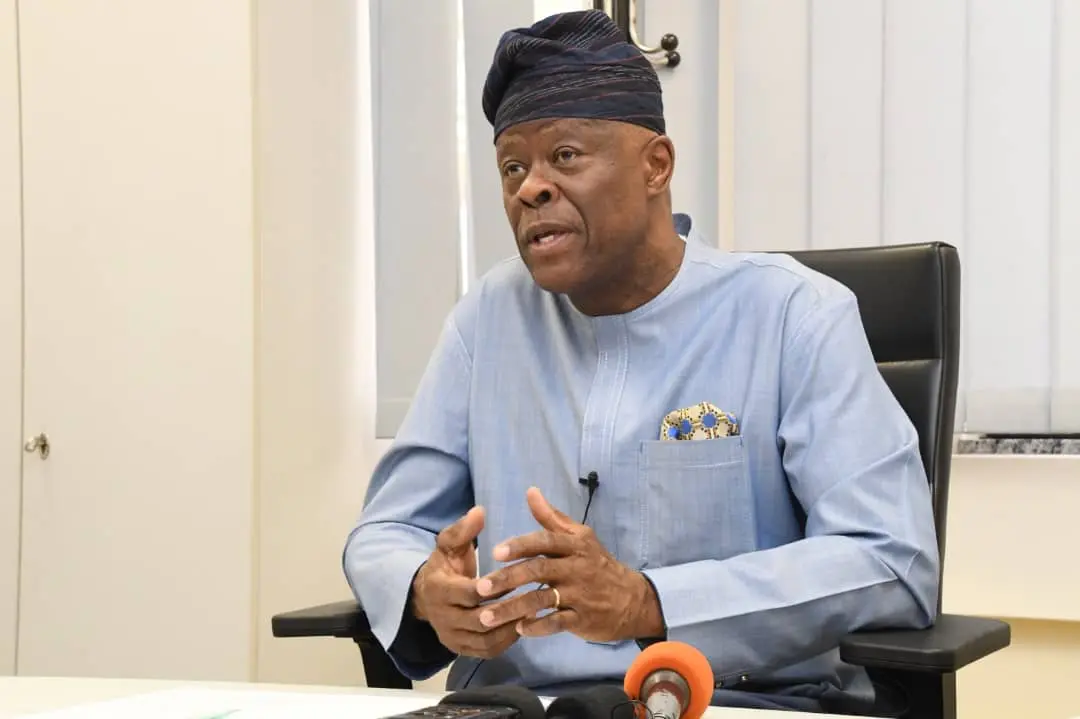
Nigeria’s engagement with the AIIB began in early 2021, when it applied for prospective membership. The lawmaking and administrative processes that followed involved parliamentary ratification of the AIIB Articles of Agreement, budgetary appropriations for share subscription, and coordination between the Ministry of Finance, the Central Bank and the Office of the Attorney General. At the May 6 FEC meeting held in the Presidential Villa, Abuja, Finance Minister Wale Edun confirmed that Nigeria had subscribed to 50 shares—each valued at US $100 000—totaling a US $5 million investment. With this final approval, Nigeria is entitled to full voting rights and governance participation alongside other sovereign members.
Unlocking Long‑Term Capital for Infrastructure
Full AIIB membership enables Nigeria to apply directly for project loans, guarantees and technical assistance. Unlike commercial borrowing, AIIB credits typically feature 15‑ to 20‑year maturities with five‑ to seven‑year grace periods, and fixed interest rates that are often below market benchmarks. Such terms are well suited to capital‑intensive infrastructure, where construction timelines stretch over many years and revenue streams take time to materialize. For Nigeria—where public‑sector borrowing costs can exceed 10 percent and capital markets remain thin—AIIB financing offers a crucial complement to domestic bond issuance and bilateral loans.
Bridging Nigeria’s Infrastructure Deficit
Nigeria’s infrastructure gap is among the most acute globally. According to the African Development Bank, the country must invest approximately US $2.3 trillion between 2020 and 2043 to bring its infrastructure stock to 70 percent of GDP, the level required to sustain medium‑term growth. The lion’s share—nearly US $575 billion—must be allocated to transport networks, including highways, ports and rail lines. Power generation and transmission require an estimated US $400 billion to expand capacity, stabilize the national grid and increase the electrification rate beyond its current 50 percent. Urban water supply and sanitation projects account for another US $200 billion, critical to improving public health and supporting rapid urbanization.
Flagship Projects on the Horizon
With AIIB membership secured, Nigeria is lining up a slate of flagship projects for financing consideration:
- Lagos Blue Line Extension
Building on the 2023 inauguration of the first phase between Alimosho and Okoko, plans call for a 9‑kilometer extension to Mile 2. The Blue Line has already ferried over two million passengers and reduced average commute times by 35 percent. An AIIB‑backed loan would help stretch the corridor to the densely populated western suburbs, easing congestion and integrating with the upcoming Red Line. - Coastal Railway Corridor
A proposed 1 200‑kilometer coastal route from Lagos to Calabar aims to link key ports and industrial zones. By alleviating pressure on the dense Lagos–Abuja road axis and connecting southern oil hubs, the corridor promises to slash freight costs, boost exports and stimulate local manufacturing clusters. - Power‑Grid Modernization
Frequent grid collapses and transmission losses have hampered Nigeria’s power sector. An AIIB‑cofinanced program would upgrade north‑south interconnectors, reinforce substations and extend distribution networks into rural areas. Paired with private investment in solar and gas‑fired generation, the project could add 2 000 megawatts of reliable capacity. - Urban Water and Sanitation
In rapidly growing cities like Kano, Port Harcourt and Ibadan, potable water access remains below 60 percent. AIIB funds could support new treatment plants, reservoir expansions and wastewater networks—projects that not only improve living standards but also reduce disease burdens and spur economic activity in peri‑urban communities.
Complementary Partnerships and Blended Finance
Nigeria’s AIIB membership complements its ties with other development finance institutions. In mid‑2024, the African Development Bank provided a US $15 million subordinated loan to InfraCredit Limited, Nigeria’s infrastructure credit‑enhancement platform, catalyzing private capital into power and telecom projects. The World Bank and Islamic Development Bank have also co‑financed highway upgrades and renewable energy schemes. Looking ahead, Nigeria plans to deploy blended finance structures—combining AIIB and AfDB loans with commercial tranches and sovereign guarantees—to optimize risk‑return profiles and attract pension funds that control over US $40 billion in domestic assets.
Macro‑Fiscal and Policy Context
Nigeria’s 2025 budget, approved at ₦54.99 trillion (roughly US $36.6 billion), reflects both higher oil revenue projections and tighter fiscal discipline. A US $200 million provision offsets the winding down of U.S. concessional aid, ensuring continuity of social programs. President Bola Tinubu’s “Renewed Hope” agenda prioritizes local industrialization, digital transformation and agricultural modernization. Reforms to the foreign exchange regime—unifying multiple exchange rates—have stabilized the naira, which appreciated 5 percent against the dollar in the first quarter. GDP growth for Q1 2025 reached 2.5 percent, outpacing regional peers, while inflation eased to 19 percent year‑on‑year, signaling steady macroeconomic management.
Governance, Ratings and Market Confidence
International institutions have endorsed Nigeria’s reform momentum. The International Monetary Fund’s 2024 Article IV consultation highlighted stronger fiscal frameworks and improving debt sustainability metrics. In March 2025, Fitch Ratings upgraded Nigeria’s sovereign outlook from B‑ to B, citing credible medium‑term fiscal plans and revenue‑mobilization efforts. These positive assessments enhance Nigeria’s access to international capital markets and underpin more favorable loan pricing. As a full AIIB member, Nigeria now joins a governance council alongside global heavyweights, gaining the ability to influence bank policies, voting on project approvals and strategic directions.
AIIB’s Shareholder Landscape
While China remains the largest single shareholder—holding 26.58 percent of voting power—other major stakes include India at 7.59 percent, Russia at 5.97 percent, Germany at 4.15 percent, South Korea at 3.49 percent and Australia at 3.45 percent. Non‑regional members such as Nigeria not only diversify perspectives but also strengthen the bank’s mandate to support infrastructure worldwide. Nigeria’s entry expands the bank’s footprint in Africa, a region where development needs are greatest and sustainable financing solutions are in high demand.
Africa’s Growing Role in the AIIB
With Nigeria’s accession, 19 African nations now hold full membership: Algeria, Benin, Côte d’Ivoire, Djibouti, Egypt, Ethiopia, Ghana, Guinea, Kenya, Liberia, Libya, Madagascar, Morocco, Rwanda, South Africa, Sudan, Togo, Tunisia and Nigeria. Three others—Mauritania, Senegal and Tanzania—remain prospective members. This continental cohort underscores Africa’s rising influence within the AIIB and the global development finance architecture. As these countries prepare joint proposals for trans‑regional corridors, port upgrades and renewable‑energy clusters, opportunities for cross‑border collaboration will multiply.
Geopolitical Dynamics and Diversification
Nigeria’s AIIB membership occurs amid a broader realignment of global development finance. As Western donors have scaled back contributions to traditional institutions like the African Development Fund, China has stepped up, deploying not only bilateral loans but also multilateral channels through the AIIB. For Nigeria, diversifying away from any single funding source reduces vulnerability to political shifts and conditionalities. At the same time, it leverages competitive funding offers—spurring efficiency and innovation among implementing agencies.
Risks, Challenges and Safeguards
Despite the promise, risks persist. Currency volatility can erode loan economics, particularly for unhedged tranches. Project governance shortcomings—ranging from procurement delays to transparency gaps—can inflate costs and sap public trust. To mitigate these challenges, Nigeria plans to adopt currency‑hedged loan options and strengthen its Public‑Private Partnership regulatory framework. Independent monitoring by multilateral partners will ensure ESG compliance, while community‑engagement protocols aim to minimize social and environmental impacts on vulnerable populations.
Looking Forward: A Blueprint for Sustainable Growth
Nigeria’s full membership in the AIIB sets the stage for a new chapter in Africa’s infrastructure renaissance. As the country mobilizes loans for rail, power, water and digital‑economy projects, the emphasis will be on sustainable, inclusive outcomes—leveraging technology, local content requirements and skills development to magnify socio‑economic benefits. The lessons learned from Nigeria’s experience will inform other African emerging markets, where AIIB partnerships could unlock trillions in infrastructure investment.
Conclusion
By joining the AIIB as its 19th African full member, Nigeria has signaled a strategic shift toward diversified, multilateral infrastructure finance. This move complements domestic reforms, enhances fiscal credibility and positions the country to tackle its most pressing development challenges. As AIIB funding dovetails with existing engagements from the African Development Bank, World Bank and private‑sector platforms, Nigeria is poised to accelerate its economic transformation—building modern transport networks, reliable power systems and resilient urban services that will uplift millions and solidify its leadership within Africa’s growth story.
Ready to take your career to the next level? Join our dynamic courses: ACCA, HESI A2, ATI TEAS 7 , HESI EXIT , NCLEX – RN and NCLEX – PN, Financial Literacy!🌟 Dive into a world of opportunities and empower yourself for success. Explore more at Serrari Ed and start your exciting journey today! ✨
Photo source: Google
By: Montel Kamau
Serrari Financial Analyst
7th May, 2025