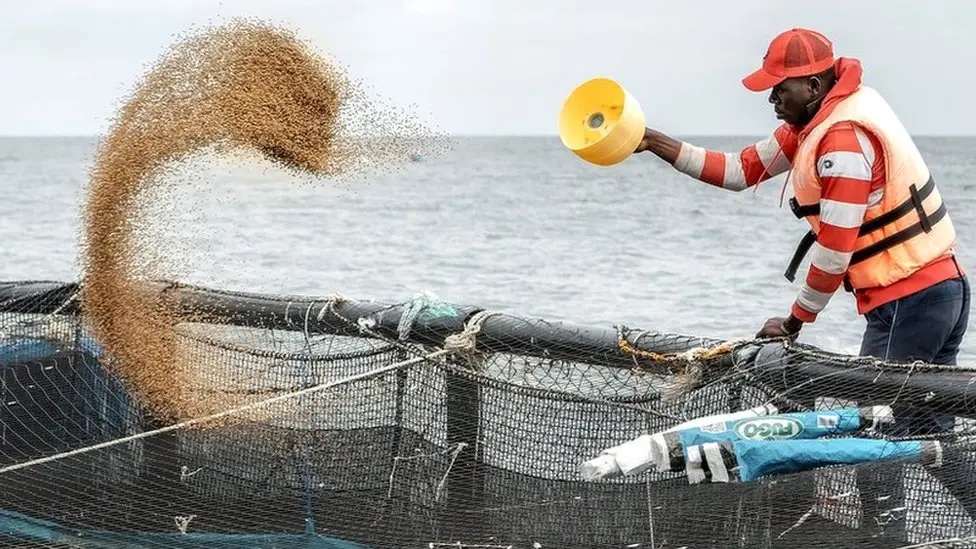
Zimbabwe is taking a bold step toward ensuring the sustainable management of its fisheries and aquaculture sector with the introduction of a new bill designed to streamline and regulate the country’s fishing industry. This move comes after years of criticism regarding the lack of a cohesive framework, which has contributed to overfishing and unsustainable practices, particularly in Lake Kariba, one of Africa’s largest man-made lakes.
The Fisheries and Aquaculture Bill, which is being championed by Zimbabwe’s Ministry of Lands, Agriculture, Fisheries, Water, and Rural Development, is designed to address the challenges faced by the country’s fisheries industry and aquaculture operations. The bill aims to consolidate the regulatory powers for fisheries and aquaculture under one central body, the Fisheries and Aquaculture Resources Production Department. This contrasts with the current setup, where the country’s fishing activities are overseen by multiple agencies, leading to regulatory overlap and inefficiencies.
Addressing Overfishing and Regulatory Fragmentation
Zimbabwe has long faced challenges in managing its fisheries sector. Overfishing in key bodies of water like Lake Kariba has significantly impacted the sustainability of species such as tilapia, bream, and catfish. Experts have expressed concerns that the uncoordinated approach to fishing regulations has contributed to dwindling fish stocks, which are essential not only for local consumption but also for export markets. The government’s new bill is seen as a crucial intervention to safeguard these vital resources.
Milton Makumbe, the Director of the Department of Fisheries and Aquatic Resources, explained that by consolidating fisheries and aquaculture management under one department, the country would be able to reduce bureaucracy and ensure more effective management of aquatic resources. “This move will promote clarity, reduce bureaucracy, and enhance our ability to manage these critical resources sustainably,” said Makumbe, underlining the importance of a unified regulatory framework.
One of the key issues the bill seeks to address is the overlapping regulatory structures that have complicated the fishing industry. In the current system, multiple agencies impose different fees for fishing permits and other operations, creating confusion and inefficiencies. The new bill will create a single, coherent legal framework that aims to eliminate these redundancies, making it easier for stakeholders to navigate the regulatory environment.
“The bill will provide a sound and enabling legal framework, anchored on global best practices, to attract investors and promote long-term investments,” said Makumbe. By offering clarity and reducing the complexity of the current system, the bill hopes to foster a more attractive environment for both local and international investors.
Linking the Bill to Zimbabwe’s Blue Economy Strategy
The introduction of the Fisheries and Aquaculture Bill is aligned with Zimbabwe’s broader economic strategy, which includes a push for a blue economy. The concept of a blue economy emphasizes the sustainable use of ocean and freshwater resources for economic growth, improved livelihoods, and jobs while preserving the health of aquatic ecosystems. The bill is seen as a key element in transforming Zimbabwe’s fisheries sector and ensuring that the country can capitalize on its rich aquatic resources in a sustainable manner.
Blessing Mapfumo, the executive officer of the African Chapter of the World Aquaculture Society, highlighted the significance of the bill in the context of the blue economy initiative. “We see such bills as essential elements for the transformation of the fisheries and aquaculture sector, and to link it to the recent blue economy drive, it’s a gamechanger,” Mapfumo told SeafoodSource, underscoring the transformative potential of the bill in modernizing Zimbabwe’s fishing industry.
The blue economy approach aims to create economic opportunities through the sustainable development of aquatic resources. This aligns with the government’s goals of boosting food security, creating jobs, and driving economic growth. If the Fisheries and Aquaculture Bill is passed into law, it is expected to play a significant role in the development of Zimbabwe’s blue economy by fostering sustainable fish production practices, supporting aquaculture growth, and promoting responsible management of fisheries resources.
Collaborative Efforts with Zambia on Lake Kariba
Lake Kariba, which is shared by Zimbabwe and neighboring Zambia, has long been a focal point for both countries’ fishing industries. The lake is home to a variety of fish species, including the popular tilapia and catfish, which are key to both domestic consumption and export. However, overfishing and inconsistent regulations have placed significant pressure on the lake’s fish populations.
Both Zimbabwe and Zambia have been urged to harmonize their fishing policies to ensure the sustainable management of Lake Kariba’s fisheries. The new bill in Zimbabwe is a step in this direction, as it aims to introduce uniform regulations and standards for the management of aquatic resources. This approach could provide a model for cross-border collaboration between the two nations, helping to protect the lake’s fisheries for future generations.
Experts have noted that the success of the Fisheries and Aquaculture Bill in Zimbabwe will require coordination with Zambia to establish a shared regulatory framework for Lake Kariba. This could lead to more effective management of the lake’s fishery resources, reducing the risk of overfishing and ensuring that the benefits of the lake’s fisheries are equitably distributed between the two countries.
The push for policy harmonization is also aligned with broader regional efforts to promote sustainable fisheries management in Southern Africa. As part of the Southern African Development Community (SADC), both Zimbabwe and Zambia are committed to regional cooperation in managing shared natural resources. The Fisheries and Aquaculture Bill is seen as an important step toward strengthening this cooperation and ensuring that Lake Kariba remains a sustainable resource for both countries.
The Potential Economic Impact of the Bill
The economic impact of the Fisheries and Aquaculture Bill could be substantial. Zimbabwe’s fishing industry has the potential to be a significant contributor to the country’s economy, providing jobs, supporting food security, and generating foreign exchange through exports. However, the lack of a coherent regulatory framework has hindered the industry’s growth, with overfishing and environmental degradation threatening its long-term viability.
By streamlining fisheries and aquaculture management, the bill could pave the way for greater investment in the sector. Aquaculture, in particular, is seen as a promising area for growth. With the right regulatory framework in place, Zimbabwe could develop its aquaculture industry to meet domestic demand for fish while also exporting to international markets.
The bill’s emphasis on attracting long-term investments is seen as a key element in boosting the sector. With a more predictable and transparent regulatory environment, both local and foreign investors will be more inclined to invest in the development of sustainable aquaculture operations. This could create jobs and stimulate economic activity, particularly in rural areas where fishing and aquaculture are important sources of livelihood.
Furthermore, the bill’s potential to reduce overfishing and promote sustainable practices could help ensure the long-term health of Zimbabwe’s fisheries. By safeguarding aquatic ecosystems, the bill could contribute to the broader goals of environmental conservation and biodiversity protection.
The Path Forward
With public consultations on the Fisheries and Aquaculture Bill now concluded, the next step will be for Zimbabwe’s Parliament to review the proposed legislation. The bill will be fine-tuned by the Parliament’s Committee on Lands, Agriculture, Water, Fisheries, and Rural Resettlement before being debated and voted on by the full Parliament. If it receives the necessary approval, it will be passed into law by President Emmerson Mnangagwa.
The bill’s passage into law is not guaranteed, but if it is approved, it could be a gamechanger for Zimbabwe’s fisheries and aquaculture sector. It represents a critical step toward sustainable resource management and the transformation of the country’s fishing industry into a major contributor to its economy.
As Zimbabwe looks to the future, the Fisheries and Aquaculture Bill could provide the foundation for a more sustainable and prosperous seafood industry, one that balances economic growth with environmental protection. With the right political will and effective implementation, the bill could set Zimbabwe on a path toward a thriving blue economy, helping to meet both domestic needs and international demand for high-quality seafood.
Ready to take your career to the next level? Join our dynamic courses: ACCA, HESI A2, ATI TEAS 7 , HESI EXIT , NCLEX – RN and NCLEX – PN, Financial Literacy!🌟 Dive into a world of opportunities and empower yourself for success. Explore more at Serrari Ed and start your exciting journey today! ✨
Photo source: Google
By: Montel Kamau
Serrari Financial Analyst
29th April, 2025