
In a critical move to reshape Kenya’s economic future, the Kenya Private Sector Alliance (KEPSA) has taken a front-line role in engaging Parliament to push for a more business-friendly Finance Bill 2025. The umbrella body, representing a vast array of Kenyan industries, has made clear its stance: the current fiscal landscape is unsustainable for investment growth, and sweeping reforms are urgently needed.
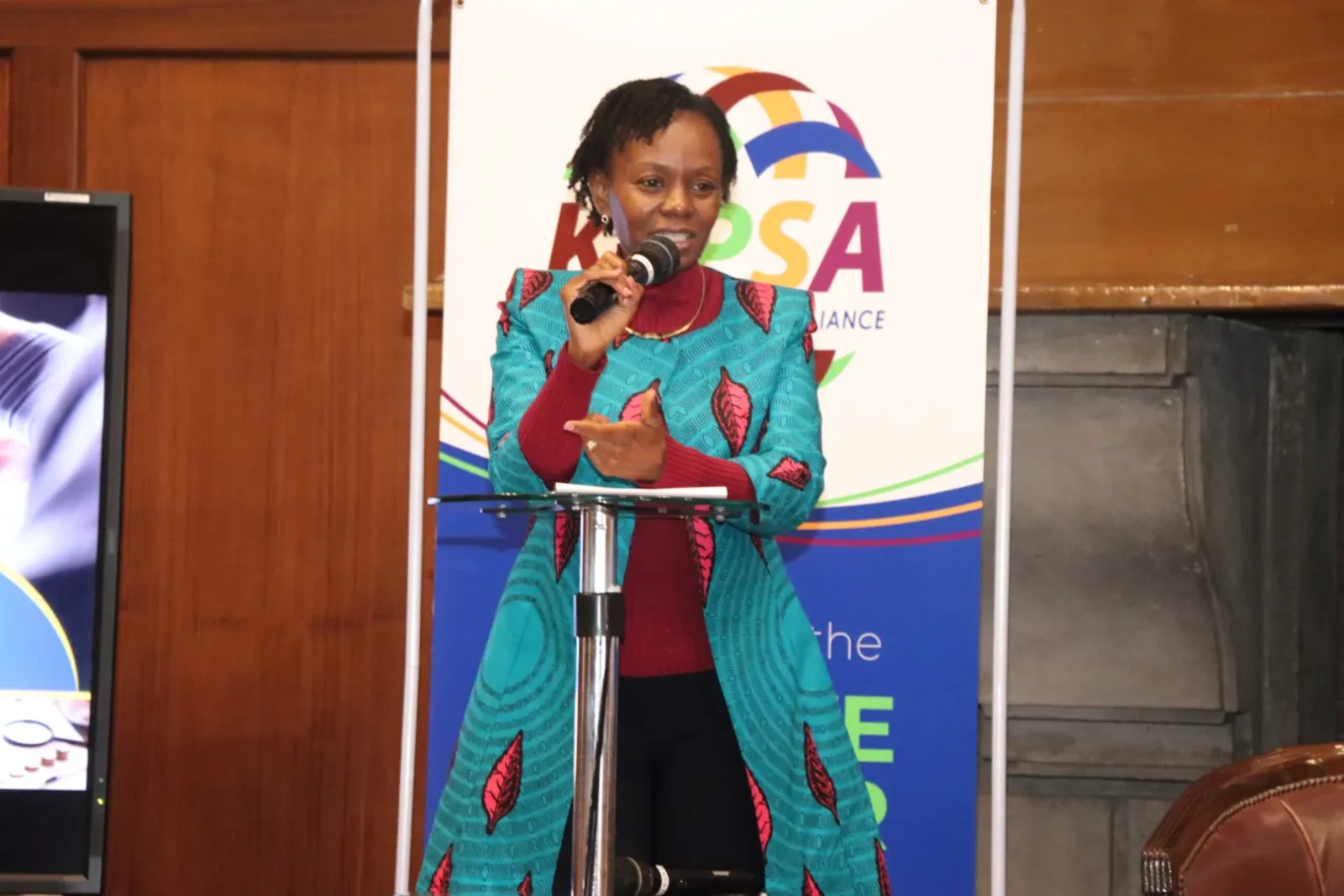
During a high-level engagement session in Nairobi, KEPSA met with three influential committees from the National Assembly:
- Finance and National Planning Committee
- Budget and Appropriations Committee
- Trade, Industry, and Cooperatives Committee
At the heart of these discussions was the need for a collaborative, forward-looking fiscal policy that supports industrialization, improves tax predictability, and boosts Kenya’s attractiveness to both local and foreign investors.
“The March 25th dialogue highlighted the urgency of reform. Kenya’s manufacturing base is shrinking, SMEs are burdened by complex taxes, and fiscal unpredictability is stifling investment,” remarked KEPSA Chairperson Jaswinder Bedi.
Bedi noted that the meeting symbolized a paradigm shift in the policymaking process—from a reactive model to one of co-creation with private sector players who understand the realities on the ground. According to him, Kenya’s economic health cannot rely solely on broad government-led initiatives without input from industries and businesses that drive GDP, employment, and innovation.
Kenya’s Shrinking Manufacturing Base: A Wake-Up Call
Recent data from the Kenya National Bureau of Statistics (KNBS) paints a worrying picture. The manufacturing sector, once a robust contributor to GDP, has declined to under 8% of the national output—down from the traditional 10% target outlined under Kenya’s Big Four Agenda.
Small and Medium Enterprises (SMEs), which account for nearly 80% of Kenya’s employment and contribute approximately 33% of GDP, have particularly borne the brunt of unpredictable tax regimes, bureaucratic hurdles, and elevated costs of compliance.
Businesses have cited multiple frustrations, including:
- Sudden imposition of taxes without adequate consultation.
- Overlapping licenses and fees at national and county levels.
- Cumbersome tax filing procedures that discourage formalization.
- High energy costs and logistics bottlenecks.
Bedi stressed that without immediate corrective action, Kenya’s vision of achieving middle-income status and realizing the Sustainable Development Goals (SDGs) would remain elusive.
Proposals for a Competitive and Investment-Friendly Environment
KEPSA presented a comprehensive set of proposals designed to address these bottlenecks. Key among them include:
- Institutionalizing a Medium-Term Revenue Strategy (MTRS):
Finance and National Planning Committee Chairperson Francis Kuria Kimani backed KEPSA’s call for an MTRS to offer tax certainty over a 3–5-year horizon. A stable tax policy, he said, would restore investor confidence and allow businesses to plan better. - Digitization of Revenue Collection:
KEPSA urged accelerated adoption of platforms like iTax, eTIMS, and mobile-based payment systems to make tax compliance easier, especially for SMEs operating in rural and informal sectors. - Simplification of Tax Codes:
KEPSA pointed out that the complex nature of current tax codes disadvantages small businesses. Streamlining procedures, reducing paperwork, and offering digital support would ease entry into the formal economy. - Tax Expenditure Transparency:
Bedi noted that while Kenya offers several tax incentives (e.g., for investors in special economic zones), the actual economic benefits are often not clearly reported. He called for rigorous tax expenditure reporting to assess if such incentives translate into jobs, skills transfer, and value addition. - Enhanced Stakeholder Engagement:
Continuous dialogue with businesses, instead of one-off consultations, was emphasized as a necessary ingredient for sustainable policy development.
Balancing Global Obligations with Domestic Priorities
Wilberforce Ojiambo Oundo, a member of the Trade, Industry, and Cooperatives Committee, raised a crucial point: Kenya must navigate its international obligations (such as trade treaties and loan agreements with multilateral lenders like the IMF and World Bank) without undermining local businesses.
He called for broad-based consultations that consider the unique circumstances facing different sectors—whether agriculture, manufacturing, fintech, or tourism.
“International best practices are important, but we cannot copy-paste policies that hurt our own people,” said Oundo.
For example, while the IMF recommends broadening the tax base to stabilize Kenya’s debt levels, abrupt tax hikes could worsen unemployment and slow down economic recovery.
Building Resilience: The Role of Infrastructure and Skills
KEPSA CEO Carole Kariuki stressed that a business-friendly Finance Bill should be complemented by investments in infrastructure, including:
- Reliable electricity supply (to address frequent blackouts affecting industries).
- Efficient transport corridors (to reduce logistics costs for exporters).
- Affordable digital infrastructure (to enable small businesses to reach new markets).
Kariuki also emphasized the importance of human capital development. Kenya’s youthful population is a powerful asset, but mismatches between education outcomes and market needs remain a major hurdle.
“There is no point in having policies that create investment opportunities if we don’t have the skills to take advantage of them,” she said.
Voices from the Business Community
Several business leaders attending the engagement raised practical concerns that often don’t make it into official policy discussions.
- Energy Costs:
Manufacturers highlighted that the cost of electricity in Kenya—estimated at $0.16 per kilowatt-hour—remains among the highest in Africa. Competitors in Ethiopia and Egypt enjoy rates as low as $0.05 and $0.06, respectively. - Regulatory Overlaps:
Companies spoke of navigating up to 10 different licenses and permits at both national and county levels, draining time and resources. - Export Competitiveness:
KEPSA noted that Kenya’s export performance, especially for value-added products, remains weak. In 2024, exports only grew by about 3%, while imports increased by 9%, widening the trade deficit. - Delayed Government Payments:
Delays in paying suppliers by both national and county governments continue to hurt SMEs’ cash flow, leading to layoffs and closures.
International Support and the Global Context
The engagement was supported by Konrad-Adenauer-Stiftung (KAS), a German political foundation known for strengthening democracy and inclusive governance globally. Their support underscored the importance of international partnerships in driving economic reform.
Globally, developing countries are moving towards predictable and transparent fiscal environments to attract foreign direct investment. Kenya risks falling behind competitors like Rwanda, Ethiopia, and Ghana if it fails to address business concerns comprehensively.
Recent reports by organizations like the World Bank and the African Development Bank have warned that fiscal instability, driven by unsustainable debt and inconsistent taxation, poses a significant threat to long-term economic growth in Africa.
Kenya’s public debt stood at KES 11.1 trillion (approximately USD 77 billion) as of early 2025, representing about 68% of GDP—well above the recommended threshold for emerging economies. As servicing debt consumes a growing share of national revenue, the need for broadening the tax base without stifling growth becomes even more urgent.
Looking Ahead: A New Model for Policy Engagement?
As Parliament now works towards finalizing the Finance Bill 2025, many see KEPSA’s approach as setting a new benchmark for public-private collaboration in Kenya.
Rather than government imposing policies and businesses reacting after the fact, there is growing consensus that joint development of policies will lead to more sustainable economic outcomes.
“This is not about lobbying for narrow interests. It’s about ensuring that policies work for everyone—farmers, startups, manufacturers, exporters,” concluded KEPSA Chairperson Bedi.
The coming weeks will be critical as the Committees review KEPSA’s proposals and work with the National Treasury to refine the Finance Bill 2025.
For Kenya’s private sector, the hope is that this engagement marks the beginning of a new era: one where proactive dialogue, predictable policymaking, and partnership-based development form the cornerstone of national economic policy.
Only time will tell if Parliament, the Treasury, and the business community can maintain this momentum and deliver a Finance Bill that truly supports growth, resilience, and prosperity for all Kenyans.
Ready to take your career to the next level? Join our dynamic courses: ACCA, HESI A2, ATI TEAS 7 , HESI EXIT , NCLEX – RN and NCLEX – PN, Financial Literacy!🌟 Dive into a world of opportunities and empower yourself for success. Explore more at Serrari Ed and start your exciting journey today! ✨
photo source: Google
By: Montel Kamau
Serrari Financial Analyst
28th April, 2025