Rising diplomatic tensions between the United States and South Africa are sending economic shockwaves throughout Southern Africa, with Namibia’s central bank governor warning that the dispute could have serious repercussions for Namibia’s financial stability and overall economic growth.
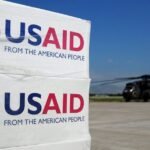
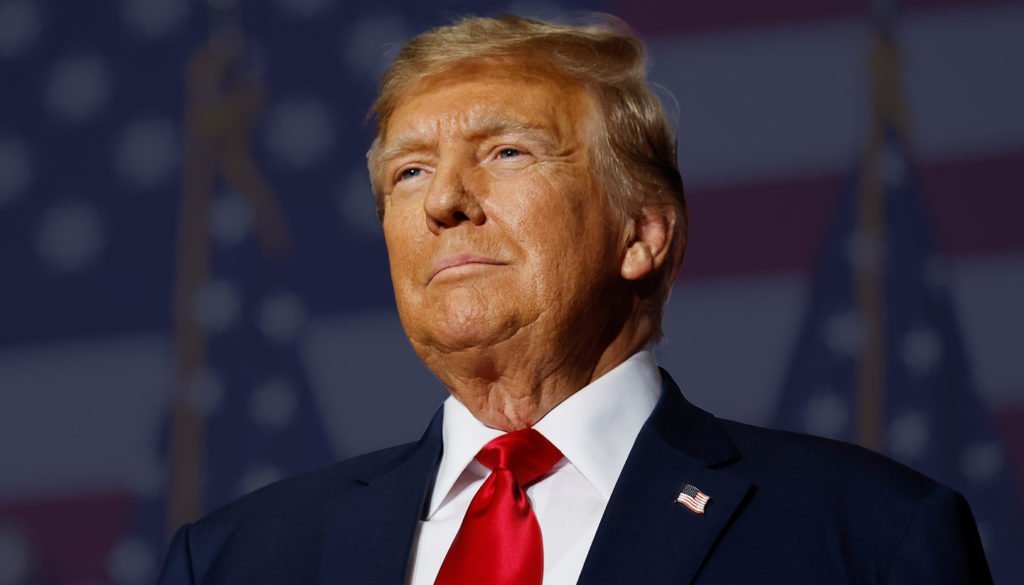
At the heart of the issue is President Donald Trump’s recent executive order freezing all U.S. aid to South Africa, citing alleged human rights violations and Pretoria’s ongoing case against Israel at the International Court of Justice (ICJ). The diplomatic rift is already impacting investor confidence and currency stability in the region, and Namibia—whose economy is closely tied to South Africa—finds itself caught in the middle.
How Namibia’s Economy is Tied to South Africa
Namibia, a small but resource-rich nation in Southern Africa, maintains strong economic ties with both the United States and South Africa. However, its financial dependence on South Africa makes it particularly vulnerable to any economic disruption in its larger neighbor.
One of the most significant risks to Namibia’s financial stability is the fact that the Namibian dollar (NAD) is pegged to the South African rand (ZAR) at a 1:1 ratio. This means that any fluctuation in the value of the South African rand—whether due to economic sanctions, investor panic, or declining trade—will directly impact Namibia’s currency, inflation rates, and economic outlook.
Namibia’s Central Bank Governor Johannes !Gawaxab emphasized this concern in a recent statement:
“Our currency is pegged to the South African rand, so any impact on the rand will directly affect us. It’s too early to tell what the full implications will be, but we need to monitor the situation closely.”
Beyond currency fluctuations, Namibia’s economy is deeply integrated with South Africa’s through the Southern African Customs Union (SACU), a regional economic alliance that includes Botswana, Eswatini, Lesotho, Namibia, and South Africa. SACU plays a key role in trade, customs revenue sharing, and economic policies in the region, and any shock to South Africa’s economy could ripple across Namibia’s key industries.
Trump’s Executive Order: The Core of the Dispute
The U.S.-South Africa tensions stem from a number of diplomatic disagreements, most notably:
- South Africa’s Land Expropriation Policy
- The U.S. government has expressed concerns over South Africa’s new land expropriation laws, which allow land to be seized without compensation in an effort to address historical injustices from apartheid. Trump’s administration has cited human rights violations as a justification for freezing hundreds of millions of dollars in U.S. aid to South Africa.
- South Africa’s Case Against Israel at the International Court of Justice (ICJ)
- South Africa filed a case against Israel at the ICJ in The Hague, alleging that Israel’s military actions in Gaza constitute genocide. This move has been heavily criticized by the U.S. government, which strongly supports Israel. In response, Trump’s administration has cut diplomatic engagements with South Africa, further straining relations.
These actions have spooked investors, leading to capital outflows from South Africa and increased speculation against the South African rand. Given Namibia’s currency peg, the Namibian dollar has weakened alongside the rand, which could drive up the cost of imports and increase inflation in the country.
Impacts on Key Sectors in Namibia
The economic ripple effects of the U.S.-South Africa dispute are already being felt in Namibia’s key sectors, including:
1. Mining and Resource Exports
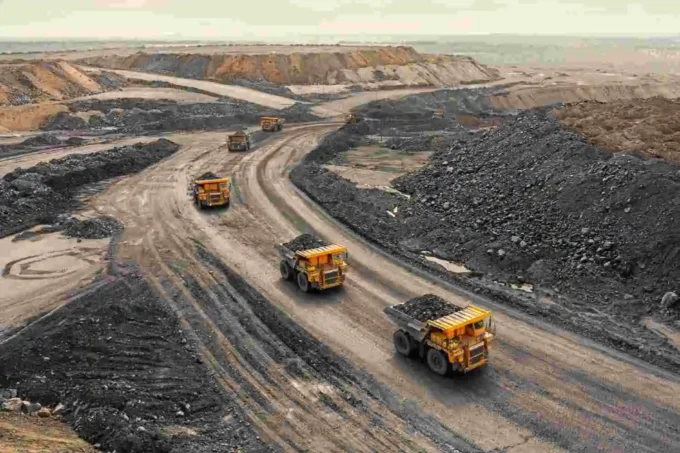
Namibia is a major exporter of diamonds, uranium, and gold, with a significant portion of its mining revenue linked to South African markets. Any slowdown in South Africa’s economy could:
- Reduce demand for Namibian minerals
- Disrupt supply chains for mining equipment and services
- Trigger lower global commodity prices, impacting mining profitability
Additionally, the recent strength of the U.S. dollar against the Namibian dollar could increase production costs for mining companies that rely on imported machinery and fuel priced in U.S. dollars.
2. Agriculture and Food Security
Namibia imports a large percentage of its food and agricultural products from South Africa, including grains, dairy, and processed foods. A weakened South African rand could increase food prices in Namibia, leading to:
- Higher inflation
- Rising costs for consumers
- Potential shortages of essential goods if South Africa’s supply chains are disrupted
3. Tourism Industry
Tourism is a vital part of Namibia’s GDP, with many visitors coming from South Africa, Europe, and the U.S.. However, the deteriorating diplomatic ties between the U.S. and South Africa could:
- Reduce American tourist arrivals in Southern Africa
- Lower overall visitor numbers if regional travel confidence declines
- Affect tourism investments, as potential investors reconsider Southern Africa’s economic stability
4. Foreign Aid and Economic Assistance
While Namibia is not directly affected by the U.S. aid freeze (since it receives minimal American aid compared to South Africa), there are indirect effects to consider:
- Less regional development funding from American programs in Southern Africa
- Possible pullout of U.S.-backed infrastructure projects in the region
- Decreased financial aid to SACU, affecting Namibia’s share of customs revenue
Monetary Policy Response and Interest Rate Cuts
Amid these growing uncertainties, Namibia’s Central Bank has taken preemptive measures to mitigate economic risks. On February 12, 2025, the Monetary Policy Committee (MPC) cut Namibia’s benchmark interest rate by 25 basis points to 6.75%—the fourth consecutive rate reduction.
This move is intended to:
- Lower borrowing costs for businesses and consumers
- Encourage investment and economic activity
- Align Namibia’s monetary policy with South Africa’s
Since Namibia’s central bank often follows the South African Reserve Bank’s decisions, this rate cut is not surprising. However, it also signals concerns that economic growth is slowing, requiring proactive measures to stimulate financial stability.
What Comes Next? Namibia’s Path Forward
As Namibia navigates the challenges posed by the U.S.-South Africa dispute, policymakers will need to take strategic steps to minimize the fallout. Key considerations include:
- Diversifying Economic Partners
- Namibia must expand trade relationships beyond South Africa and the U.S. by strengthening ties with China, the EU, and other African economies.
- Bolstering Domestic Industries
- Reducing reliance on South African imports by boosting domestic agricultural and manufacturing sectors will help shield Namibia from external shocks.
- Strengthening Financial Resilience
- The central bank may need to intervene in currency markets to stabilize the Namibian dollar if volatility worsens.
- Enhancing Regional Cooperation
- As part of SACU and the Southern African Development Community (SADC), Namibia can push for regional strategies to counteract economic instability.
Conclusion: A Delicate Balancing Act for Namibia
The escalating U.S.-South Africa tensions pose a significant challenge to Namibia’s economic stability, given its close financial ties to South Africa. While it remains too early to assess the full impact, policymakers must remain vigilant in managing currency risks, supporting domestic industries, and diversifying trade partnerships.
If Namibia can navigate these challenges wisely, it has an opportunity to emerge as a more resilient economy, less reliant on external shocks and more self-sufficient in the long term. However, in the short term, the country must brace for economic uncertainty, as it remains deeply tied to the fortunes of its largest economic partner—South Africa.
Ready to take your career to the next level? Join our dynamic courses: ACCA, HESI A2, ATI TEAS 7 , HESI EXIT , NCLEX – RN and NCLEX – PN, Financial Literacy!🌟 Dive into a world of opportunities and empower yourself for success. Explore more at Serrari Ed and start your exciting journey today! ✨
photo source: Google
By: Montel Kamau
Serrari Financial Analyst
13th February, 2025