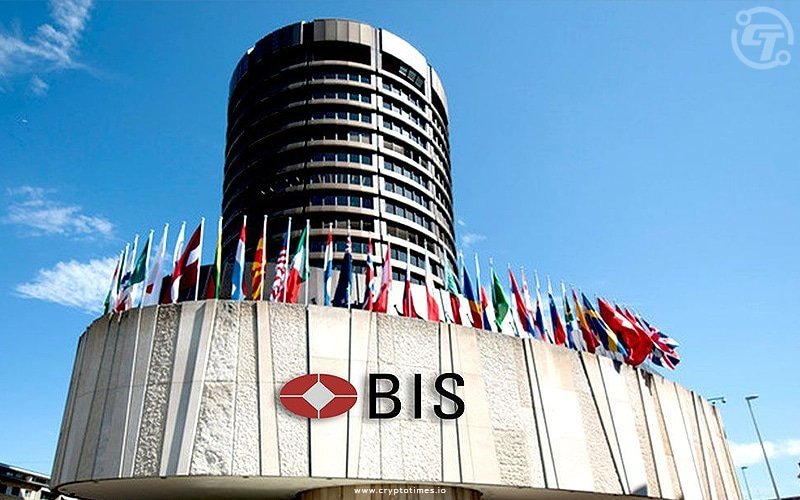
The Bank for International Settlements (BIS), the global umbrella organization for central banks, has issued a stark warning about the risks posed by U.S. President Donald Trump’s economic policies.
In a speech delivered in Mexico City, BIS General Manager Agustin Carstens outlined the growing concerns surrounding trade tensions, deregulation, and loose fiscal policies, all of which could create serious challenges for global financial stability.
Carstens, who previously served as the governor of the Bank of Mexico, emphasized that widespread policy uncertainty could have far-reaching implications for global economies and monetary policies.
“Such pervasive policy uncertainty will affect central banks in several ways,” Carstens stated.
As businesses delay investments and households postpone major purchases, economic growth could stagnate, further exacerbating market volatility.
Key Risks Highlighted by BIS
The BIS has identified several critical risks that could disrupt global financial stability, including:
- Trade Uncertainty and Tariffs
- Deregulation and Weaker Financial Oversight
- Loose Fiscal Policies and Rising Debt Levels
- Inflationary Pressures from Currency Depreciation
- Diverging U.S. and Global Interest Rates
Each of these factors has the potential to amplify market instability, forcing central banks to adjust their policies in response to shifting economic conditions.
1. Trade Uncertainty and Its Impact on Global Markets
Since President Trump’s re-election, concerns about a renewed trade war have resurfaced, particularly with China, Canada, and Mexico.
The Trump administration’s previous trade battles resulted in billions of dollars in tariffs, leading to supply chain disruptions and higher consumer prices. Analysts fear that new tariffs or trade restrictions could:
- Disrupt global supply chains, increasing costs for multinational corporations.
- Weaken international trade agreements, leading to retaliatory measures from other nations.
- Slow global economic growth, particularly in emerging markets that rely on U.S. trade.
With the global economy already facing headwinds, a return to protectionist policies could undermine efforts to achieve stability and growth.
2. Deregulation and Financial Supervision Concerns
Another major risk highlighted by the BIS is the deregulation of financial markets.
Trump’s administration has consistently advocated for fewer regulations on industries ranging from banking to environmental protections. While some argue that deregulation can spur economic growth, the BIS warns that weakening financial oversight could:
- Increase the risk of market speculation and financial bubbles.
- Lead to weaker safeguards against economic downturns.
- Encourage a “race to the bottom” in regulatory standards, particularly in Europe.
If financial institutions loosen lending standards or engage in high-risk investments, the global financial system could become more vulnerable to shocks.
3. Loose Fiscal Policies and Rising Debt Levels
Carstens also cautioned against the potential impact of Trump’s fiscal policies, particularly as they relate to government debt and budget deficits.
Historically, large tax cuts combined with increased government spending have resulted in rising federal deficits. The U.S. national debt currently stands at over $34 trillion, and further increases could:
- Drive inflation higher, as the government prints more money to finance spending.
- Increase borrowing costs, making it more expensive for businesses and consumers to take out loans.
- Weaken the U.S. dollar, leading to further currency fluctuations.
“In the extreme, an abrupt repricing of public debt could put financial stability at risk,” Carstens warned.
4. Inflationary Pressures from Currency Depreciation
With financial markets already experiencing large currency swings, the BIS is particularly concerned about the potential for rising inflation.
Key factors contributing to inflationary risks include:
- A weaker U.S. dollar, which makes imported goods more expensive.
- Higher tariffs on foreign goods, which could drive up costs for American consumers.
- Increased government borrowing, which could flood the economy with excess liquidity.
Central banks, including the Federal Reserve, may be forced to raise interest rates to keep inflation under control, potentially slowing economic growth even further.
5. Diverging U.S. and Global Interest Rates
The final major risk outlined by the BIS is the widening gap between U.S. and global interest rates.
Currently, U.S. economic growth has outpaced much of the rest of the world, leading the Federal Reserve to pursue a different monetary policy strategy compared to other central banks.
If the U.S. continues to raise interest rates while other major economies keep rates low, the result could be:
- Increased capital outflows from emerging markets, as investors seek higher returns in the U.S.
- Depreciation of foreign currencies, particularly in developing nations that rely on foreign investment.
- Heightened volatility in bond and equity markets, as traders adjust their portfolios in response to changing interest rate differentials.
Market Reactions and Investor Sentiment
Following the BIS warning, global financial markets have responded with heightened caution.
- Stock markets in Europe and Asia have experienced sharp declines, with investors worried about the impact of trade uncertainties.
- The U.S. bond market has seen increased volatility, reflecting concerns over rising inflation and interest rate hikes.
- Emerging market currencies have weakened, as investors move capital toward safer assets like gold and U.S. treasuries.
While some analysts remain optimistic about U.S. economic growth, others caution that market instability could persist unless clearer policy directions emerge.
How Central Banks Are Responding
Central banks worldwide are now facing difficult decisions in response to these uncertainties.
- The Federal Reserve has signaled that it may need to adjust its monetary policy approach, balancing inflation control with economic growth concerns.
- The European Central Bank (ECB) has warned that U.S. policies could have spillover effects on European economies, particularly if trade barriers increase.
- Emerging market central banks are preparing for capital outflows, with some considering intervention strategies to stabilize their currencies.
Looking Ahead: Key Questions for the Global Economy
As markets digest the BIS warning, several key questions remain:
- Will President Trump escalate trade tensions, or seek more stable agreements?
- How will the Federal Reserve navigate inflationary pressures while supporting growth?
- Can global central banks coordinate policies to minimize economic disruption?
- Will financial deregulation increase risk-taking behavior in U.S. markets?
The answers to these questions will shape the future of global financial stability in the coming years.
Conclusion: A Cautious Outlook Amid Policy Uncertainty
The BIS warning serves as a critical reminder that economic policies matter, and that uncertainty in trade, fiscal policy, and monetary strategy can have far-reaching consequences.
While global markets have shown resilience in recent years, the current landscape demands caution from policymakers, investors, and businesses alike.
As central banks navigate these challenges, collaboration and prudent decision-making will be essential to maintaining financial stability in an increasingly complex and interconnected world.
Ready to take your career to the next level? Join our dynamic courses: ACCA, HESI A2, ATI TEAS 7 , HESI EXIT , NCLEX – RN and NCLEX – PN, Financial Literacy!🌟 Dive into a world of opportunities and empower yourself for success. Explore more at Serrari Ed and start your exciting journey today! ✨
photo source: Google
By: Montel Kamau
Serrari Financial Analyst
10th January, 2025