
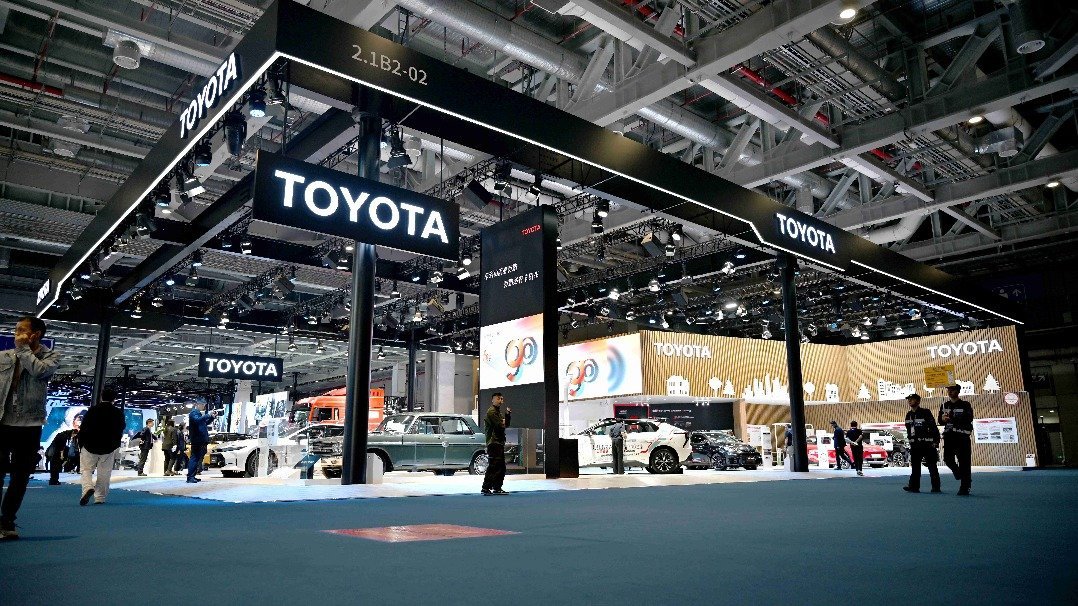
In a bold strategic move to expand its presence in the world’s largest automotive market, Toyota Motor Corporation has announced plans to build a new wholly-owned electric vehicle (EV) manufacturing plant in Shanghai. The facility, located in Jinshan District in southwest Shanghai, is set to begin production in 2027, focusing on a new battery electric vehicle under the Lexus brand. This development marks a significant milestone for Toyota as it seeks to compete more aggressively in China’s rapidly growing EV sector.
A Shift in Toyota’s China Strategy
For decades, Toyota has operated in China through joint ventures with local companies such as FAW Group and GAC Group, adhering to regulatory requirements that previously required foreign automakers to partner with Chinese firms. However, China’s policy changes in 2018 allowed foreign automakers to establish wholly-owned operations, paving the way for Toyota to make this significant move.
The new Shanghai facility represents Toyota’s first fully independent EV manufacturing venture in China, signaling the company’s commitment to increasing its competitiveness in the region. By establishing a dedicated EV plant, Toyota aims to accelerate the production of battery electric vehicles (BEVs) tailored specifically for Chinese consumers. The company’s decision aligns with the growing consumer demand for new energy vehicles (NEVs) and the increasing government support for clean transportation initiatives.
Toyota’s investment in Jinshan District also underscores its confidence in China’s manufacturing capabilities, supply chain advantages, and robust EV ecosystem. The company has highlighted that this project will enable it to provide high-quality electric vehicles at a faster pace, catering to the evolving needs of Chinese consumers.
China’s Growing Dominance in the EV Market
China has rapidly emerged as a global leader in the electric vehicle industry, surpassing traditional automotive powerhouses like the United States and Germany. In 2023, China accounted for over 60% of global EV sales, with domestic brands such as BYD, NIO, and XPENG gaining a strong foothold. The Chinese government has played a crucial role in fostering this growth, implementing policies that encourage EV adoption, such as subsidies, tax incentives, and the expansion of charging infrastructure.
In addition to regulatory support, China’s dominance in battery production gives it a competitive edge in the EV market. The country is home to some of the world’s largest battery manufacturers, including CATL and BYD, which supply batteries not only to Chinese automakers but also to international companies like Tesla and Volkswagen. This well-established supply chain makes China an attractive location for automakers looking to scale up EV production.
Toyota’s decision to set up a new plant in Shanghai positions it to tap into this ecosystem, ensuring access to advanced battery technology, skilled labor, and an expansive consumer base that is increasingly shifting toward sustainable mobility.
Investment and Economic Impact
The new facility in Jinshan District will have an initial production capacity of around 100,000 units per year, with plans to expand depending on market demand. The project is expected to create approximately 1,000 new jobs during the initial phase, providing employment opportunities in manufacturing, engineering, and supply chain management.
Beyond direct job creation, Toyota’s investment will also stimulate economic activity in related industries, including battery production, logistics, and automotive parts manufacturing. The presence of a major automaker in Jinshan District will likely attract additional investments from suppliers and technology partners, further strengthening Shanghai’s position as a hub for EV production.
The Shanghai municipal government has expressed strong support for Toyota’s investment, emphasizing its commitment to creating a world-class business environment. Local authorities have pledged to provide streamlined regulatory approvals, infrastructure development, and other incentives to facilitate the project’s successful implementation.
Toyota’s Competitive Position in China
Despite being one of the world’s top-selling automakers, Toyota has faced challenges in the Chinese market, particularly in the EV segment. The company has traditionally focused on hybrid vehicles, with models like the Toyota Prius leading the global transition toward electrification. However, as Chinese consumers increasingly favor pure battery electric vehicles (BEVs), Toyota has found itself playing catch-up in this highly competitive sector.
In 2024, Toyota’s sales in China declined by nearly 7%, reflecting the intense competition from domestic automakers. Companies like BYD have aggressively expanded their market share by offering affordable, high-tech electric vehicles with longer range and advanced connectivity features. Additionally, Tesla’s strong presence in China has further intensified the competition, with its Shanghai Gigafactory producing hundreds of thousands of EVs annually.
By establishing a dedicated EV plant, Toyota aims to regain its competitive edge by accelerating BEV production and enhancing its research and development capabilities in China. The company has emphasized that it will focus on delivering premium-quality electric vehicles that combine advanced battery technology, superior driving performance, and cutting-edge in-car digital experiences.
Global Expansion and Future Outlook
Toyota’s investment in China is part of a broader global strategy to expand its electric vehicle footprint. The company has committed billions of dollars to EV and battery production in key markets, including the United States, Japan, and Europe.
In the United States, Toyota is constructing a $14 billion battery production facility in North Carolina, expected to create 5,000 jobs and support the company’s North American EV lineup. Similarly, in Japan, Toyota has announced plans to increase EV production capacity while advancing research on next-generation solid-state batteries.
The company’s focus on battery technology is particularly noteworthy. Toyota has been a pioneer in hybrid technology for decades, but it has been relatively cautious in fully transitioning to battery electric vehicles. However, with the rapid advancements in battery efficiency and cost reduction, Toyota is now ramping up its EV efforts. The company has set a goal of selling 3.5 million EVs annually by 2030, with a significant portion of those vehicles expected to come from its China operations.
Challenges and Risks
While Toyota’s new EV plant in Shanghai represents a major growth opportunity, the company also faces several challenges. The Chinese EV market is highly competitive, with domestic brands continuously innovating and expanding their market share. Additionally, evolving government policies and shifting consumer preferences could impact Toyota’s long-term success.
Another potential challenge is the global supply chain for critical EV components, including semiconductors and rare earth materials. Supply chain disruptions in recent years have affected automakers worldwide, leading to production delays and increased costs. Toyota will need to navigate these challenges effectively to ensure a stable supply of materials for its Shanghai plant.
Moreover, consumer preferences in China are rapidly evolving, with increasing demand for smart, connected vehicles equipped with autonomous driving features and artificial intelligence-based assistance systems. Toyota will need to integrate advanced digital technologies into its EV lineup to stay competitive in this fast-changing market.
Financial Performance and Investor Confidence
Toyota’s announcement comes at a time when the company is experiencing strong financial performance. On the same day it revealed its new China investment, Toyota raised its net profit forecast for the fiscal year ending March 2025 to 4.52 trillion yen (approximately $29.5 billion), up from a previous estimate of 3.57 trillion yen. This revised forecast reflects the company’s production recovery efforts and the positive impact of a weaker yen.
Despite a 27% drop in operating profit in the most recent quarter, Toyota’s strategic initiatives and cost management efforts have reassured investors. Following the profit forecast revision, the company’s shares rose by 4.3%, reflecting confidence in Toyota’s ability to navigate the competitive landscape.
Conclusion
Toyota’s plan to establish a new EV manufacturing plant in Shanghai marks a significant milestone in its electrification strategy. By investing in a wholly-owned facility, the company is positioning itself to compete more effectively in China’s booming EV market while contributing to the country’s green energy transition.
As Toyota accelerates its EV production efforts, the success of this venture will depend on its ability to innovate, adapt to market trends, and leverage China’s robust supply chain ecosystem. With increasing global demand for electric vehicles and a growing focus on sustainability, Toyota’s investment in Shanghai underscores its commitment to shaping the future of mobility.
This move not only strengthens Toyota’s presence in China but also signals a broader shift in the automotive industry, where traditional automakers are racing to stay ahead in the electrification revolution.
Ready to take your career to the next level? Join our dynamic courses: ACCA, HESI A2, ATI TEAS 7 , HESI EXIT , NCLEX – RN and NCLEX – PN, Financial Literacy!🌟 Dive into a world of opportunities and empower yourself for success. Explore more at Serrari Ed and start your exciting journey today! ✨
photo source: Google
By: Montel Kamau
Serrari Financial Analyst
6th January, 2025