
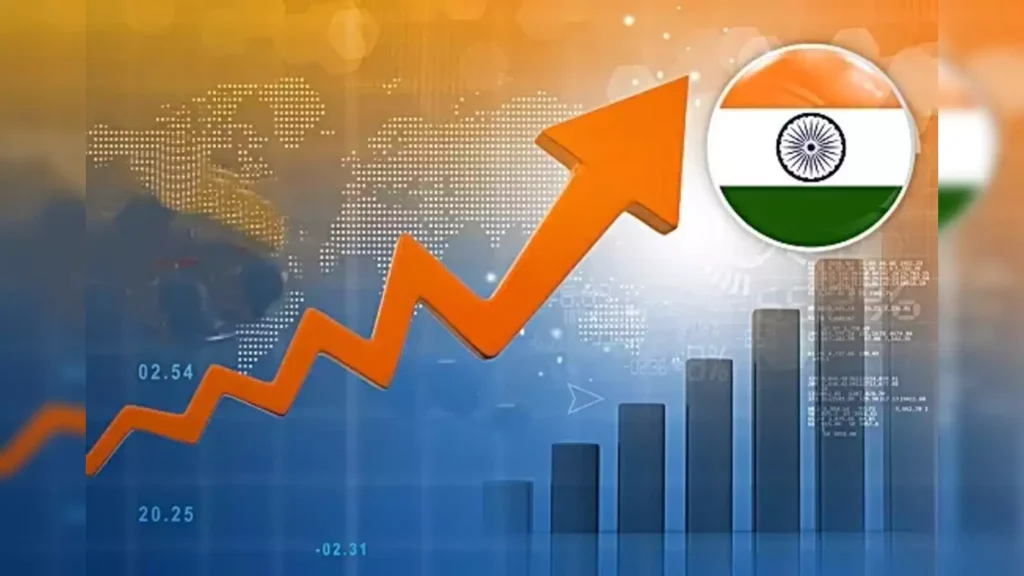
India’s economy is projected to grow between 6.3% and 6.8% in the 2025-26 financial year, according to early government estimates ahead of the annual budget announcement. This forecast suggests a slowdown compared to previous years, as economic activity faces multiple headwinds, including subdued domestic demand, slower corporate investments, and a weaker manufacturing sector.
The economy is already expected to slip to 6.4% growth in the current financial year (2024-25)—the slowest pace in four years—compared to a robust 8.2% expansion in 2023-24. This slowdown aligns with expectations of global economic uncertainty, fluctuating commodity prices, and tightening monetary policies worldwide.
India’s Growth Slowdown: Key Factors at Play
1. Declining Private Consumption Amid Inflationary Pressures
One of the biggest contributors to India’s slowing growth trajectory is weak private consumption, which accounts for nearly 60% of India’s GDP.
- Persistently high food and fuel prices have dented household purchasing power, forcing many families to cut back on discretionary spending.
- Stagnant wage growth has also played a role, with lower real incomes reducing the ability of middle-class and lower-income households to spend on goods and services.
- Rural demand remains tepid, as erratic monsoon rains in some regions have impacted agricultural output, leading to slower income growth in the farming sector.
The government is expected to introduce targeted fiscal measures in the upcoming budget to stimulate consumption, including tax reliefs, rural spending programs, and social welfare incentives.
2. Weakness in the Manufacturing and Industrial Sector
India’s manufacturing industry, a key pillar of the economy, has struggled with slowing exports, high input costs, and weaker domestic demand.
- The Production Linked Incentive (PLI) scheme, launched to boost local manufacturing, has not yet yielded the expected benefits across all sectors.
- Some industries, including automobiles, electronics, and pharmaceuticals, have maintained steady growth, but textiles, steel, and heavy engineering sectors have seen weaker demand.
- Supply chain disruptions and geopolitical tensions, including the ongoing Red Sea shipping crisis, have raised costs for import-dependent industries.
To counter these challenges, the government may reduce import tariffs on essential manufacturing components to encourage domestic production and make Indian goods more competitive in international markets.
3. Corporate Investment Slowing Despite Policy Reforms
A key concern for policymakers is sluggish private sector investment, which has failed to accelerate despite various government incentives.
- High borrowing costs—due to the Reserve Bank of India’s (RBI) tight monetary policy—have discouraged many companies from making large capital expenditures.
- Large conglomerates, including Reliance, Tata, and Adani, have continued investing, but mid-sized and small businesses are struggling with limited access to credit.
- The real estate sector, which has seen a strong revival in urban areas, remains unevenly distributed, with luxury housing thriving but affordable housing projects stagnating.
Finance Minister Nirmala Sitharaman’s budget on February 1 is expected to introduce corporate tax incentives and easier access to credit to revive investment sentiment.
How the Government Plans to Respond
Given the economic slowdown, the Modi government is likely to focus on boosting domestic demand, easing supply-side constraints, and maintaining fiscal discipline in its upcoming budget. Key policy measures under consideration include:
1. Increased Infrastructure Spending
The government is expected to increase capital expenditure (capex) allocation, particularly in:
- Transport (roads, railways, and airports) to create jobs and improve logistics.
- Renewable energy projects, including solar and wind power, to meet India’s sustainability goals.
- Urban infrastructure, such as affordable housing and smart city projects, to drive real estate growth.
2. Fiscal Support for MSMEs and Rural India
Micro, Small, and Medium Enterprises (MSMEs) contribute 30% of India’s GDP and employ millions. However, many businesses are struggling with high borrowing costs and slower demand. Potential budget measures include:
- Lower interest rates on government-backed MSME loans.
- Easier compliance norms for small businesses, reducing regulatory burdens.
- Expanded rural employment guarantee programs to increase disposable incomes in rural areas.
3. Possible Tax Relief for the Middle Class
With high inflation eating into savings, the government may announce income tax relief measures, such as:
- Higher tax exemption limits for salaried individuals.
- Incentives for homebuyers, such as increased deductions on home loan interest.
- Cuts in indirect taxes (GST) on essential goods, particularly food and fuel.
4. Strengthening the Manufacturing Sector
To revive manufacturing growth, the government may:
- Expand the Production Linked Incentive (PLI) scheme to more industries.
- Reduce import duties on critical raw materials.
- Enhance R&D incentives to encourage domestic innovation.
Global Factors Influencing India’s Growth
While domestic challenges play a significant role, global macroeconomic conditions will also impact India’s growth in 2025-26.
1. Global Inflation and Interest Rate Trends
- The US Federal Reserve and European Central Bank’s monetary policies will influence global liquidity flows.
- If US interest rates remain high, foreign investors may pull funds from emerging markets like India, affecting stock markets and currency stability.
2. China’s Economic Slowdown
- China’s sluggish recovery post-pandemic could impact India’s exports, especially in metals, chemicals, and IT services.
- However, some Indian companies could benefit from supply chain shifts as global firms diversify away from China (the “China Plus One” strategy).
3. Geopolitical Risks and Trade Disruptions
- The ongoing Red Sea shipping crisis has led to rising freight costs for Indian exporters.
- Escalating tensions in the Middle East and Ukraine-Russia conflict continue to fuel commodity price volatility, affecting India’s oil import bill.
Stock Market and Investor Sentiment
India’s stock markets, which have seen record highs in recent months, experienced a correction due to concerns over slowing GDP growth.
- Foreign investors have become cautious amid global volatility.
- Domestic institutional investors, however, remain bullish on long-term prospects.
- Key sectors expected to perform well in 2025 include technology, pharmaceuticals, banking, and renewable energy.
Despite near-term concerns, analysts remain optimistic about India’s long-term potential, citing:
- A strong demographic dividend (young workforce).
- Rising digital economy growth, driven by fintech, e-commerce, and AI.
- Government focus on self-reliance and infrastructure investments.
Conclusion: Navigating Growth Challenges in 2025-26
India’s economy is projected to grow between 6.3% and 6.8% in 2025-26, reflecting a moderate slowdown from previous years. The government faces critical policy choices to maintain economic momentum while addressing inflationary pressures, weak private consumption, and slowing corporate investments.
The upcoming budget on February 1, 2025, will be crucial in shaping India’s economic path. Key focus areas will likely include infrastructure spending, tax relief measures, manufacturing incentives, and support for MSMEs.
While global uncertainties and domestic challenges pose risks, India’s strong fundamentals, digital transformation, and policy interventions are expected to keep the economy on a steady growth path.
Ready to take your career to the next level? Join our dynamic courses: ACCA, HESI A2, ATI TEAS 7 , HESI EXIT , NCLEX – RN and NCLEX – PN, Financial Literacy!🌟 Dive into a world of opportunities and empower yourself for success. Explore more at Serrari Ed and start your exciting journey today! ✨
photo source: Google
By: Montel Kamau
Serrari Financial Analyst
31st January, 2025