In a landmark move to bolster space cooperation, the European Commission has officially signed the Africa-EU Space Partnership Programme, a EUR 100 million initiative aimed at strengthening space collaboration between Europe and Africa. This significant milestone, the result of years of dedicated partnership, stands as a flagship component of the EU’s Global Gateway strategy, reinforcing commitments to sustainable development, the green transition, and digitalization across the African continent.
The programme is set to be officially launched at the NewSpace Africa Conference in April 2025, marking the commencement of its implementation.
Strengthening EU-Africa Space Collaboration
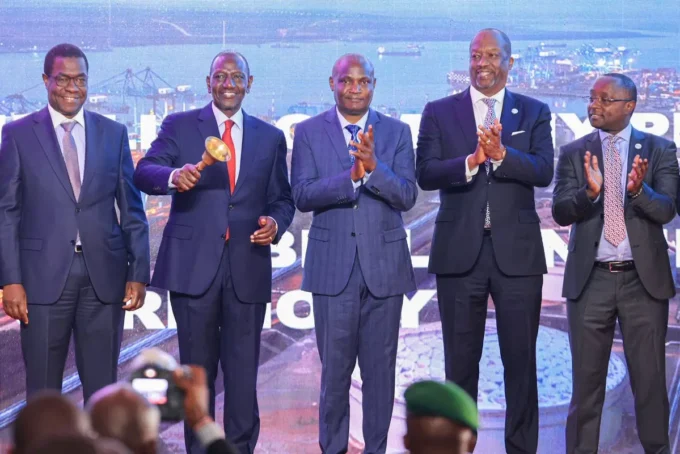
The signing ceremony, held on the sidelines of the EU Space Conference in Brussels, brought together key representatives from both regions. Attendees included H.E. Dr. Tidiane Ouattara, President of the Council of the African Space Agency; Dr. Josef Aschbacher, Director General of the European Space Agency (ESA); Phil Evans, Director General of the European Organisation for the Exploitation of Meteorological Satellites (EUMETSAT); Florence Rabier, Director General of the European Centre for Medium-Range Weather Forecasts (ECMWF); Marjeta Jäger, Deputy Director-General for International Partnerships (INTPA) at the European Commission; and Catherine Kavvada, Director and Coordinator for Innovation, Applications, and International Cooperation at the European Commission.
Key Priorities of the Programme
According to the European Union’s mission statement, the initiative will focus on three strategic areas:
- Advancing the Green Transition
The programme aims to leverage space-based services to enhance early warning systems for hazardous weather and climate-related events, thereby strengthening disaster preparedness and response. Africa, which is disproportionately affected by climate change, will benefit from improved monitoring and mitigation strategies. For instance, satellite data can provide critical information on weather patterns, enabling better planning for agricultural activities and disaster management. - Strengthening Institutional Collaboration
The initiative seeks to bolster EU-Africa decision-making frameworks, improving policy coordination and governance in the space sector. By promoting institutional partnerships, it aims to create an enabling environment for sustainable space development. This includes harmonizing regulatory frameworks and fostering dialogue between African and European space agencies to ensure cohesive and effective collaboration. - Boosting Private Sector Growth and Innovation
The programme will enhance Africa’s space industry by supporting capacity building, innovation, and the development of a space-based data economy. European private companies will be actively engaged in service provision, technology transfer, and training, promoting mutual benefits for African and European stakeholders. This collaboration is expected to stimulate economic growth, create jobs, and foster technological advancements within the African space sector.
Beyond strengthening Africa’s space capabilities, the initiative also opens doors for European space companies, providing access to new markets and opportunities for collaboration. By promoting innovation and competitiveness, the programme ensures Europe remains a key player in global space cooperation.
Jozef Síkela, Commissioner for International Partnerships, emphasized the significance of this initiative, stating: “The Africa-EU Space Partnership Programme is a vital part of our cooperation with Africa. Together, we will harness space technology to tackle global challenges, strengthen resilience against climate change, drive digitalization, and build lasting partnerships. Space is the new frontier of progress, and through this programme, we are ensuring that Africa can fully benefit from its potential.”
A Legacy of EU-Africa Space Cooperation
This new Africa-EU Space Partnership Programme builds upon over two decades of collaboration, during which the EU has invested EUR 200 million in Africa’s space sector. The programme will leverage key European space technologies, including Copernicus (Earth observation), Galileo and EGNOS (satellite navigation), and GMES and Africa, for space-based data access for natural resource management and climate monitoring.
By increasing the adoption of space-based data and strengthening institutional and private sector capacity, the programme will enable African nations to:
- Monitor Environmental Changes More Effectively: Utilizing Earth observation data to track deforestation, desertification, and other environmental changes, facilitating informed decision-making for conservation and resource management.
- Reduce Disaster Risks Through Advanced Early Warning Systems: Implementing satellite-based early warning systems to predict natural disasters such as floods, droughts, and storms, thereby enhancing preparedness and response efforts.
- Support Sustainable Economic Growth: Developing applications in agriculture, mining, and other sectors to optimize resource utilization and promote sustainable practices. For example, precision agriculture techniques can be employed to improve crop yields and water management.
The programme’s first phase, which will begin in early 2025, will focus on building institutional capacity, developing technical infrastructure, and fostering innovation to ensure long-term resilience and growth. Key implementing partners include the European Space Agency (ESA), EUMETSAT, ECMWF, the African Union Commission (AUC), the Agency for the Safety of Aviation in Africa and Madagascar (ASECNA), and the African Space Agency (AfSA).
Enhancing Agricultural Productivity Through Space Technology
One of the critical areas where the Africa-EU Space Partnership Programme is expected to make a significant impact is agriculture. Africa’s agricultural sector faces numerous challenges, including climate variability, pest infestations, and inefficient farming practices. By integrating space technology, the programme aims to address these challenges and enhance agricultural productivity.
For instance, satellite imagery can be used to monitor crop health, soil moisture levels, and pest outbreaks. This information enables farmers to make informed decisions about irrigation, fertilization, and pest control, leading to increased yields and reduced resource wastage. Additionally, accurate weather forecasting through satellite data can help farmers plan planting and harvesting activities more effectively, mitigating the risks associated with unpredictable weather patterns.
Improving Environmental Monitoring and Natural Resource Management
Africa is home to diverse ecosystems and abundant natural resources. However, environmental degradation and unsustainable resource exploitation pose significant threats to the continent’s ecological balance and economic development. The Africa-EU Space Partnership Programme seeks to enhance environmental monitoring and promote sustainable resource management through advanced space-based technologies.
By leveraging Earth observation data, the programme will facilitate the monitoring of deforestation rates, water bodies, and wildlife populations. This information is crucial for developing effective conservation strategies, enforcing environmental regulations, and promoting sustainable land use practices. Moreover, monitoring natural resources such as minerals and forests can aid in preventing illegal exploitation and ensuring that resource extraction contributes to sustainable development.
Advancing Connectivity and Bridging the Digital Divide
In today’s digital age, connectivity is a cornerstone of socio-economic development. However, many African regions, particularly rural areas, still lack reliable internet access, hindering education, healthcare, and economic opportunities. The Africa-EU Space Partnership Programme aims to address this issue by promoting satellite-based connectivity solutions.
Satellite communication technologies can provide high-speed internet access to remote and underserved areas, bridging the digital divide and fostering inclusive development. Improved connectivity will enable access to online education platforms, telemedicine services, and digital financial services, empowering communities and driving economic growth.
Fostering Innovation and Building Human Capital
A key component of the Africa-EU Space Partnership Programme is fostering innovation and building human capital within the African space sector. The programme will support educational initiatives, research and development projects, and capacity-building efforts to cultivate a skilled workforce capable of driving the continent’s space ambitions.
Collaborations between African and European universities and research institutions will be encouraged to facilitate knowledge exchange and joint innovation. Additionally, the programme will provide training opportunities for African professionals in areas such as satellite engineering, data analysis, and space policy
Ready to take your career to the next level? Join our dynamic courses: ACCA, HESI A2, ATI TEAS 7 , HESI EXIT , NCLEX – RN and NCLEX – PN, Financial Literacy!🌟 Dive into a world of opportunities and empower yourself for success. Explore more at Serrari Ed and start your exciting journey today! ✨
photo source: Google
By: Montel Kamau
Serrari Financial Analyst
31st January, 2025