Introduction
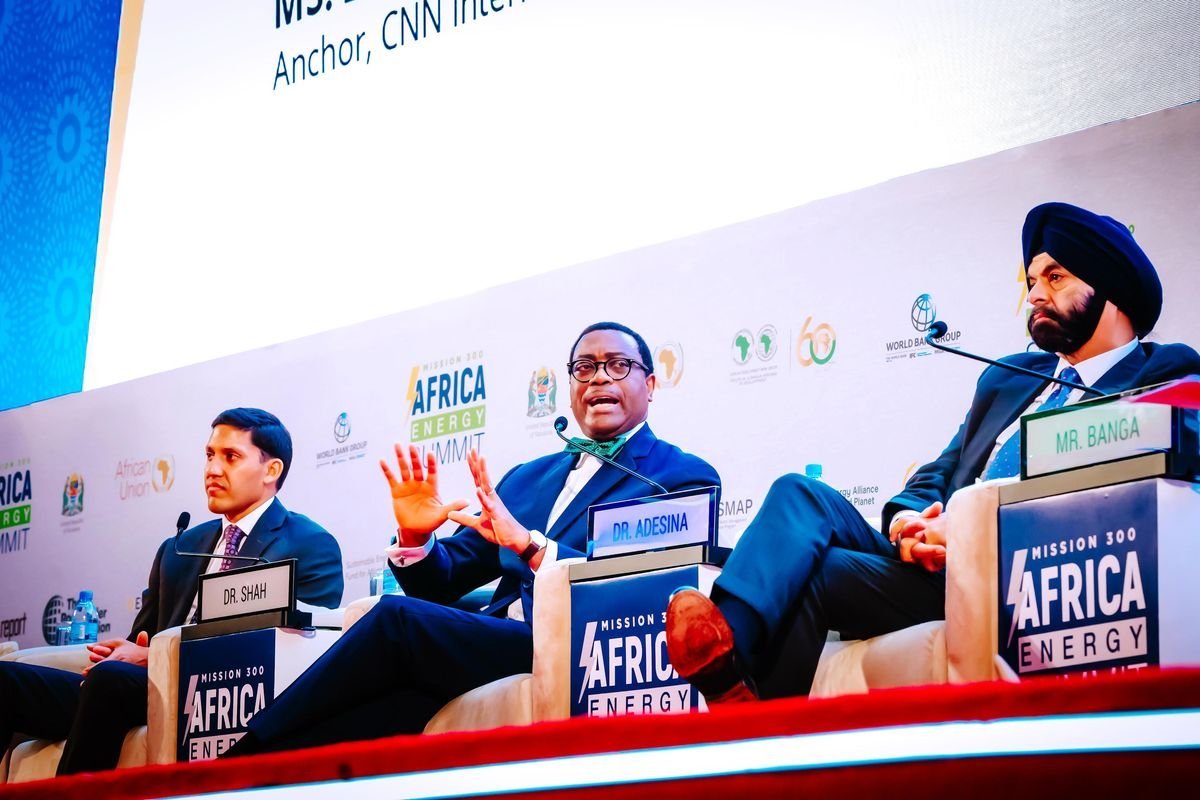
In a significant move aimed at tackling energy poverty across Africa, The Rockefeller Foundation has announced an additional investment of US$15.9 million to support the ambitious Mission 300 initiative, which seeks to provide electricity access to 300 million Africans by 2030. This announcement was made during the Mission 300 Africa Energy Summit, held in Dar es Salaam, Tanzania, in collaboration with the African Development Bank (AfDB), the World Bank Group, and the African Union.
The new funding will be directed toward three major initiatives:
- A US$10 million investment in Zafiri, a distributed renewable energy (DRE) investment company led by the International Finance Corporation (IFC).
- A US$2.5 million grant to ODI Global Washington for the Mission 300 Fellowship Program, which will embed energy experts in African governments to facilitate the expansion of electricity access.
- A US$3.4 million grant to Sustainable Energy for All (SEforALL), an organization that will provide technical support to African governments in executing their Mission 300 commitments.
This latest investment builds upon the initial US$10 million that The Rockefeller Foundation and the Global Energy Alliance for People and Planet (GEAPP) committed toward the Mission 300 Technical Assistance Accelerator in 2024.
Why Electricity Access in Africa Matters
Africa is home to over 600 million people without electricity, representing nearly 43% of the continent’s population. The lack of reliable electricity has significant economic and social implications, limiting opportunities for education, healthcare, industrialization, and economic development.
- Economic Impact:
Without electricity, small businesses and industries struggle to operate efficiently, leading to slow economic growth and high unemployment rates. Reliable electricity is critical for supporting small and medium-sized enterprises (SMEs), which are the backbone of Africa’s economy. - Health Implications:
Many rural hospitals lack stable power, making it difficult to store vaccines, operate life-saving medical equipment, and provide essential healthcare services. The expansion of electricity access will significantly improve healthcare delivery across the continent. - Educational Benefits:
Without electricity, students rely on kerosene lamps and candles, which are not only expensive but also dangerous due to their fire hazards and toxic fumes. Access to electricity will enable students to study longer and access digital learning tools. - Environmental Considerations:
A major challenge in Africa is deforestation due to firewood and charcoal use for cooking. Expanding access to clean energy solutions like solar mini-grids and battery storage systems will help reduce reliance on unsustainable energy sources.
Rockefeller Foundation’s Investment in Africa’s Energy Future
1. Investing in Zafiri: Scaling Africa’s Renewable Energy Sector
The largest portion of The Rockefeller Foundation’s new funding—US$10 million—will go to Zafiri, a distributed renewable energy investment company launched by the International Finance Corporation (IFC).
What is Zafiri?
Zafiri is a new investment platform aimed at scaling Africa’s private-sector-led renewable energy solutions, including:
- Mini- and metro-grids
- Solar home systems
- Battery energy storage systems
- Clean cooking technologies
With additional funding from IFC, AfDB, The Rockefeller Foundation, and the International Development Association, Zafiri aims to provide long-term equity financing to energy startups and developers. This initiative is expected to benefit more than 30 million people by 2030.
Why Zafiri Matters
According to Makhtar Diop, IFC Managing Director, Africa’s energy gap is one of the biggest obstacles to its economic progress. “Millions of people across Africa lack access to electricity, a situation that is both untenable and unfathomable in the 21st century,” Diop said.
2. Mission 300 Fellowship Program: Empowering African Governments
The Rockefeller Foundation is also providing US$2.5 million to ODI Global Washington to launch the Mission 300 Fellowship Program.
Program Details:
- The program will embed 10-15 highly skilled energy professionals in African government ministries and energy offices.
- Fellows will work directly with policymakers to help develop and implement electricity expansion programs.
- The two-year fellowship will prioritize African citizens, ensuring that local talent is at the forefront of policy execution.
Why Government Support is Essential
Expanding electricity access requires more than just investment—it requires strong government policies, regulatory frameworks, and efficient implementation strategies. By training local energy experts, the Mission 300 Fellowship will help governments navigate the complex challenges of electrification.
According to Sasha Kapadia, Director of ODI Global Advisory, public servants in many low- and middle-income African countries are often stretched too thin to handle large-scale infrastructure projects. The Fellowship will fill this gap by providing technical expertise.
3. SEforALL: Implementing Mission 300 Across Africa
The Rockefeller Foundation will provide US$3.4 million to Sustainable Energy for All (SEforALL), a UN-backed organization committed to ending energy poverty.
SEforALL’s Key Responsibilities:
- Developing energy transition plans for Mission 300 countries.
- Supporting data-driven energy access planning to create market and regulatory frameworks.
- Creating financial tools that enable private-sector participation in energy investments.
Innovative Financial Solutions
One of the biggest barriers to electricity expansion in Africa is high-interest rates and currency depreciation. SEforALL plans to develop a new pan-African local currency financing mechanism, which will:
- Protect local investors from currency volatility.
- Unlock new capital sources for energy developers.
According to Damilola Ogunbiyi, CEO of SEforALL, this commitment demonstrates The Rockefeller Foundation’s leadership in fighting energy poverty.
Global Support for Mission 300
Beyond The Rockefeller Foundation, multiple international development banks have pledged their support:
- World Bank Group: Committed $30-$40 billion in investments.
- African Development Bank (AfDB): Allocating $10-$15 billion for the project.
- Islamic Development Bank (IsDB): Providing $2.65 billion in project financing and $2 billion in insurance for power projects.
- Asian Infrastructure Investment Bank (AIIB): Committed $1-$1.5 billion in financing.
With these collective efforts, Mission 300 could mobilize up to $90 billion, transforming Africa’s energy sector over the next five years.
The Road Ahead: What’s Next?
The Rockefeller Foundation’s investment is part of a larger strategy to catalyze energy access while ensuring sustainable and inclusive development.
- Near-term goals (2025-2026):
- Roll out Zafiri’s first equity investments in energy startups.
- Place the first cohort of Mission 300 Fellows in government ministries.
- Launch SEforALL’s local currency financing mechanism.
- Long-term goals (by 2030):
- Connect 300 million Africans to electricity.
- Support clean energy transitions to meet Sustainable Development Goal 7 (SDG 7).
- Establish Africa as a leader in renewable energy solutions.
Conclusion
The Rockefeller Foundation’s $15.9 million investment represents a major step toward expanding electricity access in Africa. Through Zafiri, the Mission 300 Fellowship, and SEforALL, this funding will accelerate electrification, create jobs, and improve millions of lives.
As Africa continues to grow, energy access will determine its economic trajectory. With strong partnerships, innovative financing, and targeted investments, Mission 300 could be the turning point in Africa’s energy transformation.
Ready to take your career to the next level? Join our dynamic courses: ACCA, HESI A2, ATI TEAS 7 , HESI EXIT , NCLEX – RN and NCLEX – PN, Financial Literacy!🌟 Dive into a world of opportunities and empower yourself for success. Explore more at Serrari Ed and start your exciting journey today! ✨
photo source: Google
By: Montel Kamau
Serrari Financial Analyst
30th January, 2025