Nigeria’s economy has faced an unprecedented crisis over the last eight years, losing an estimated $300 billion in Gross Domestic Product (GDP). This decline has pushed the country from its former position as Africa’s largest economy to the fourth, trailing Egypt, South Africa, and Algeria. Tilewa Adebajo, CEO of CFG Advisory, unveiled these findings in the firm’s 2025 economic forecast, painting a grim picture of policy missteps and economic stagnation.
The Economic Decline in Numbers
Nigeria’s GDP now stands at approximately $200 billion, a sharp contrast to its peak years when it was celebrated as a leading economic powerhouse on the continent. Adebajo attributed the loss to a range of factors, including:
- Policy Inconsistencies: Reforms have been poorly implemented or abandoned midway, leading to market instability.
- Naira Devaluation: Over eight years, the naira has experienced a staggering 300% devaluation, plunging from ₦450 to over ₦1,700 per US dollar.
- Stagflation: The simultaneous occurrence of stagnant growth, high unemployment, and inflation has further eroded economic progress.
Reforms and Their Mixed Results
Nigeria’s 18-month economic reform program, intended to address systemic issues, has delivered mixed outcomes:
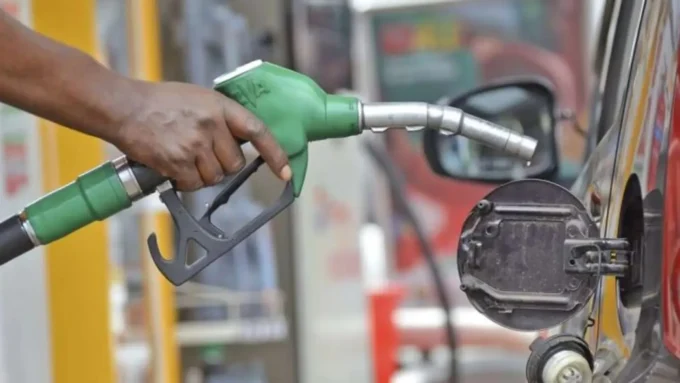
- Fuel Subsidy Removal: The removal of subsidies, though aimed at redirecting funds to development projects, has instead contributed to higher inflation, reduced purchasing power, and public discontent.
- Rising Debt: Public debt has surpassed $100 billion, with annual debt servicing costs ballooning to ₦16.3 trillion in the 2025 budget—far exceeding allocations for critical sectors such as defense, health, and education.
- Inflation Surge: The inflation rate remains high but is projected to decline to 22% by the end of 2025.
Social intervention programs meant to cushion the impact of these reforms have largely failed, leaving households and businesses grappling with soaring costs and reduced incomes.
The Role of Oil and Missed Opportunities
Oil, Nigeria’s economic backbone, has not been leveraged effectively in recent years. While crude oil production remains below capacity, structural issues such as pipeline vandalism, theft, and underinvestment continue to hamper progress. Notably:
- Declining Investments: Foreign Direct Investment (FDI) in Nigeria has reached historic lows, with only $29 million recorded in the first half of 2024.
- Unrealized Revenue: Joint venture stakes in oil production, if sold, could generate $30–50 billion to ease debt pressures and stabilize the foreign exchange market.
During its peak years (2009 and 2014), Nigeria attracted $22 billion in oil investments. A return to such levels would require significant policy shifts and improved investor confidence.
Challenges in Key Sectors
Power Sector
Nigeria’s power sector remains a bottleneck for industrial productivity and overall economic growth. Despite reforms aimed at privatizing the sector, issues such as inadequate transmission and distribution infrastructure persist. This has left businesses reliant on costly alternatives like diesel generators, further inflating production costs.
Debt Management
With public borrowing at unsustainable levels, Nigeria’s credit rating has been downgraded, discouraging investment and increasing borrowing costs. Debt servicing has reached alarming proportions, accounting for more than 100% of the combined allocations for key sectors.
Monetary Policy and Inflation
The Central Bank of Nigeria (CBN) faces an uphill battle in curbing inflation while managing liquidity. The money supply increased by 50% year-on-year, peaking at ₦108 trillion. Without effective monetary policy interventions, inflationary pressures will continue to erode economic stability.
Potential for Recovery
Despite these challenges, experts like Adebajo believe that Nigeria’s economic decline is reversible. Key recommendations include:
- Debt Reduction: Implementing strategies to lower the national debt and restore the country’s credit rating to investment grade.
- Structural Reforms: Boosting productivity by addressing inefficiencies in agriculture, manufacturing, and technology.
- Oil Revenue Optimization: Selling joint venture stakes in oil assets and improving production to attract investments.
- Diversification: Reducing dependence on oil by investing in sectors like agriculture, tech, and services.
Global and Regional Implications
Nigeria’s economic woes are not isolated but reflect broader challenges facing African economies. Many countries in the region are grappling with similar issues, including high debt levels, weak governance, and underdeveloped infrastructure. However, Nigeria’s size and influence mean its economic health has significant implications for the region.
Competition Among African Economies
- Egypt: Currently Africa’s largest economy, Egypt has leveraged its strategic location and diversified economy to attract foreign investments.
- South Africa: Despite facing its own challenges, South Africa remains a hub for financial services and industrial production.
- Algeria: Benefiting from its oil and gas exports, Algeria has overtaken Nigeria in GDP rankings.
For Nigeria to reclaim its position as Africa’s leading economy, it must adopt bold reforms and leverage its potential more effectively.
The Way Forward
To reverse the $300 billion GDP loss and address systemic challenges, Nigeria must pursue a coordinated strategy that aligns monetary, fiscal, trade, and investment policies. This includes:
- Strengthening Governance: Ensuring transparency and accountability in public finance management.
- Building Investor Confidence: Enacting investor-friendly policies and addressing concerns over security and corruption.
- Empowering the Private Sector: Creating an enabling environment for businesses to thrive, with access to affordable credit and reliable infrastructure.
Conclusion
Nigeria’s economic challenges are significant but not insurmountable. The country’s vast resources, youthful population, and strategic position offer immense potential for recovery and growth. However, this will require a shift from short-term fixes to long-term, sustainable policies.
As Adebajo aptly summarized, “The government must align monetary, fiscal, trade, and investment policies to steer the economy out of this quagmire. Anything short of this will perpetuate Nigeria’s economic challenges.”
By addressing these issues head-on, Nigeria can regain its footing and emerge stronger, setting an example for other nations facing similar challenges. The road to recovery may be long, but with decisive action, the country can unlock its potential and reclaim its status as Africa’s largest economy.
Ready to take your career to the next level? Join our dynamic courses: ACCA, HESI A2, ATI TEAS 7 , HESI EXIT , NCLEX – RN and NCLEX – PN!🌟 Dive into a world of opportunities and empower yourself for success. Explore more at Serrari Ed and start your exciting journey today! ✨
photo source: Google
By: Montel Kamau
Serrari Financial Analyst
14th January, 2024