Zambia’s national currency, the kwacha, remains under significant strain, hitting a series of record lows as the nation grapples with severe drought conditions and their cascading economic effects. As a copper-dependent Southern African economy, Zambia’s challenges are compounded by falling copper production, debt pressures, and disrupted power generation.
Currency Under Pressure
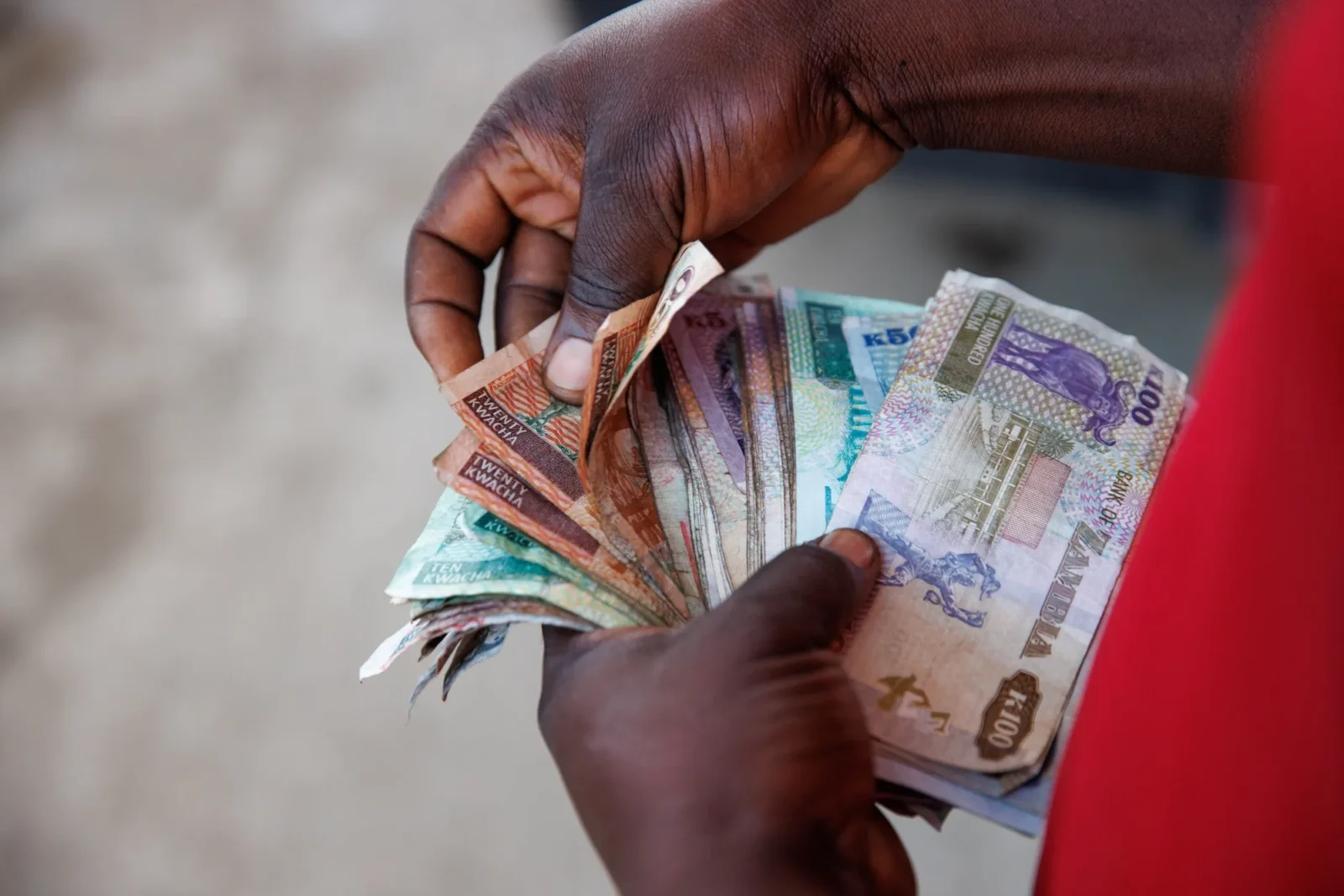
The kwacha has depreciated nearly 15% over the last six months and is now roughly 3% below its pre-debt restructuring levels. On Wednesday, the currency was trading at 27.95 kwacha per dollar, a slight improvement from the previous day’s record low of 28.05.
While analysts had hoped that Zambia’s emergence from default in 2024 would stabilize the kwacha and improve investor sentiment, the current economic reality tells a different story. The prolonged drought and associated economic disruptions continue to overshadow any optimism from the debt restructuring success.
Drought and Its Impact on the Economy
Zambia is facing one of the worst droughts in decades, exacerbated by the severe effects of El Niño. This dry spell has drastically reduced rainfall across southern Africa, devastating agricultural output and intensifying food insecurity in the region.
Hydroelectric Power Crisis
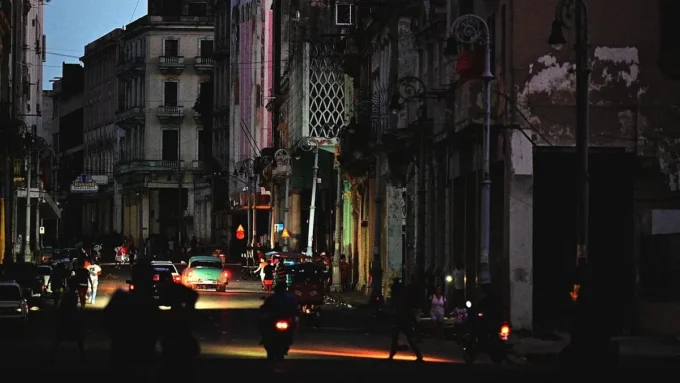
The drought has severely impacted the Kariba Dam, Zambia’s largest source of hydroelectric power. Water levels at the dam have dropped to critically low levels, forcing authorities to cut electricity generation. Power shortages have hit industries hard, particularly mining, which is the backbone of Zambia’s economy.
Copper Production Declines
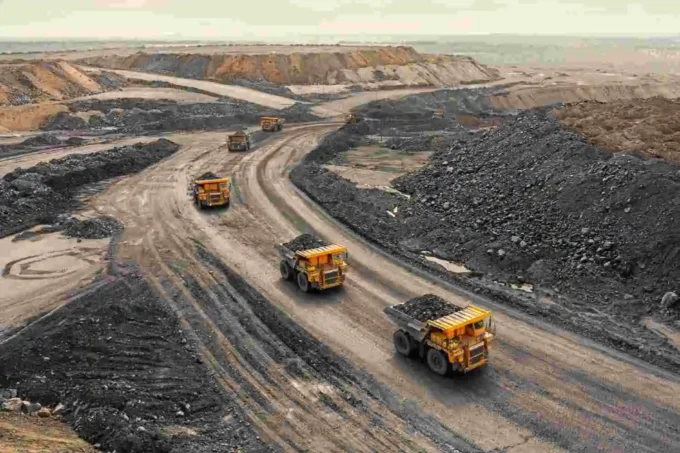
As the world’s second-largest copper producer in Africa, Zambia relies heavily on copper exports for foreign revenue. However, energy shortages have forced mining companies to reduce production. With copper accounting for over 70% of the country’s export earnings, the decline in output has significantly reduced dollar inflows, further weakening the kwacha.
Debt Burden and Currency Woes
Zambia’s economic challenges are compounded by its debt situation. The nation defaulted on $11 billion in external debt in November 2020, becoming the first African country to do so during the COVID-19 pandemic. While a restructuring deal in 2024 offered a brief respite, the kwacha’s performance has failed to reflect the anticipated benefits.
Limited Investor Confidence
Despite the successful restructuring, investor confidence remains tepid. Analysts suggest that the ongoing drought and economic instability have deterred potential investments, limiting the inflow of much-needed foreign currency.
Short-Term Relief Measures
On Wednesday, some companies sold dollars to prepare for local tax payments, offering temporary support to the kwacha. However, such measures are insufficient to address the underlying issues driving the currency’s weakness.
El Niño’s Regional Impact
The effects of the El Niño phenomenon extend beyond Zambia, impacting other Southern African nations as well. Neighboring countries like Zimbabwe and Malawi are also experiencing reduced agricultural output and energy shortages.
Food Security Crisis
The drought has led to significant crop failures across the region, particularly in staple crops like maize. In Zambia, this has driven up food prices, exacerbating inflation and putting additional pressure on households already struggling with high living costs.
Energy Reliance
Zambia’s dependence on hydroelectric power highlights the vulnerabilities of relying on a single energy source. While the government has explored alternatives such as solar and thermal energy, these initiatives have yet to make a meaningful impact on the country’s energy mix.
Global Copper Market Dynamics
Zambia’s challenges are further influenced by fluctuations in the global copper market. While copper prices have remained relatively stable, the country’s reduced production capacity has limited its ability to capitalize on international demand.
Green Energy Transition
The global push for green energy has increased demand for copper, a critical component in renewable energy technologies and electric vehicles. However, Zambia’s inability to meet production targets risks sidelining the nation in this emerging market.
Competition from Other Producers
Zambia faces competition from other copper-producing nations, including the Democratic Republic of Congo (DRC). The DRC has ramped up production in recent years, attracting investments that might have otherwise gone to Zambia.
Government Efforts and Policy Responses
The Zambian government has taken steps to address the economic crisis, but challenges remain.
Debt Management
The successful debt restructuring deal was a crucial step in restoring fiscal stability. However, analysts argue that more proactive measures are needed to improve investor confidence and attract foreign capital.
Diversification
Efforts to diversify the economy beyond copper have gained momentum, with initiatives focusing on agriculture, tourism, and manufacturing. However, the pace of diversification has been slow, and the drought has further hindered progress.
Power Sector Reforms
To address energy shortages, the government has announced plans to invest in renewable energy projects, including solar farms and wind power. While these initiatives are promising, they require substantial funding and time to implement.
Social and Humanitarian Impacts
The economic crisis has had profound social consequences for Zambia’s population.
Rising Poverty Levels
The combination of drought, inflation, and currency depreciation has pushed more Zambians into poverty. Rural communities, which depend heavily on agriculture, are particularly vulnerable.
Migration Trends
Economic pressures have prompted an increase in migration, with many Zambians seeking opportunities in neighboring countries. This trend has implications for regional stability and labor markets.
Outlook and Recommendations
While Zambia’s challenges are significant, there are opportunities for recovery and growth.
Leverage Global Partnerships
Zambia can strengthen ties with international organizations and development partners to secure funding for critical infrastructure projects.
Expand Renewable Energy Capacity
Accelerating investments in renewable energy can reduce the country’s dependence on hydroelectric power and mitigate the impact of future droughts.
Boost Agricultural Resilience
Enhancing irrigation infrastructure and promoting drought-resistant crops can improve food security and support rural livelihoods.
Capitalize on Copper’s Green Potential
By addressing production bottlenecks, Zambia can position itself as a key player in the global green energy transition.
Conclusion
Zambia’s currency crisis underscores the interconnectedness of environmental, economic, and social challenges. While the current situation is dire, targeted interventions and a long-term vision can help the country navigate this difficult period and lay the foundation for sustainable growth.
As Zambia seeks to stabilize its economy and build resilience, collaboration between the government, private sector, and international community will be essential. With strategic planning and decisive action, the nation can turn its challenges into opportunities and emerge stronger on the global stage.
Ready to take your career to the next level? Join our dynamic courses: ACCA, HESI A2, ATI TEAS 7 , HESI EXIT , NCLEX – RN and NCLEX – PN!🌟 Dive into a world of opportunities and empower yourself for success. Explore more at Serrari Ed and start your exciting journey today! ✨
photo source: Google
By: Montel Kamau
Serrari Financial Analyst
9th January, 2024