The Forum on China-Africa Cooperation (FOCAC) continues to strengthen the enduring ties between China and African nations, charting an ambitious path for mutual growth and development. During a visit to Brazzaville, the capital of the Republic of Congo, Chinese Foreign Minister Wang Yi underscored China’s commitment to “burnishing the credentials” of FOCAC, outlining a comprehensive road map for the forum’s initiatives over the next three years.
Strengthening FOCAC’s Role in Development
The visit highlighted the importance of aligning strategies to elevate the forum’s impact. According to Wang, FOCAC serves as a symbol of China-Africa solidarity, a beacon of South-South cooperation, and a model for international collaboration with Africa.
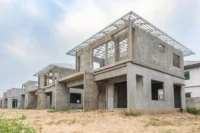
Since its inception 25 years ago, FOCAC has significantly contributed to Africa’s infrastructure development, creating jobs and improving living standards across the continent. Wang detailed the forum’s achievements, including the construction of:
- 100,000 kilometers of roads
- 10,000 kilometers of railways
- Nearly 1,000 bridges
- Almost 100 ports
Over the past three years alone, these initiatives have generated over 1 million jobs for Africans, underscoring the tangible benefits of Sino-African cooperation.
Beijing Summit Outcomes and Implementation Plans
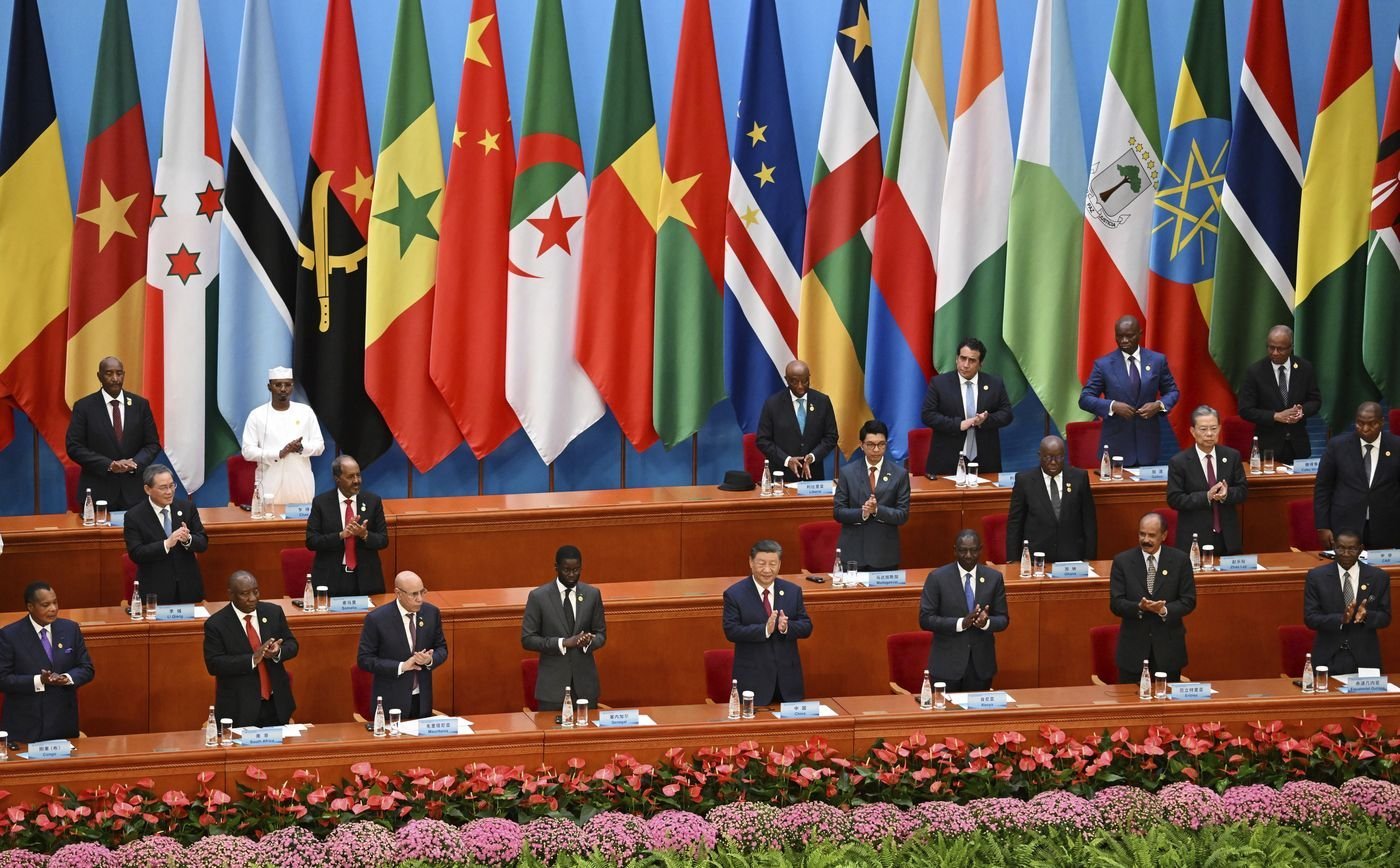
The 2024 Beijing summit marked a pivotal moment in Sino-African relations, culminating in a declaration to build an all-weather China-Africa community with a shared future. A three-year action plan was adopted to translate this vision into reality.
Key outcomes from the summit include:
- Zero-Tariff Treatment:
Wang emphasized the implementation of zero-tariff treatment for 100% of tariff lines to boost African exports to China. - Infrastructure Development:
Plans are underway to establish a China-Africa network featuring land-sea links to improve connectivity and logistics. - Livelihood Projects:
A focus on 1,000 “small yet beautiful” livelihood projects will address critical needs in healthcare, education, and local industries.
Green and Low-Carbon Development
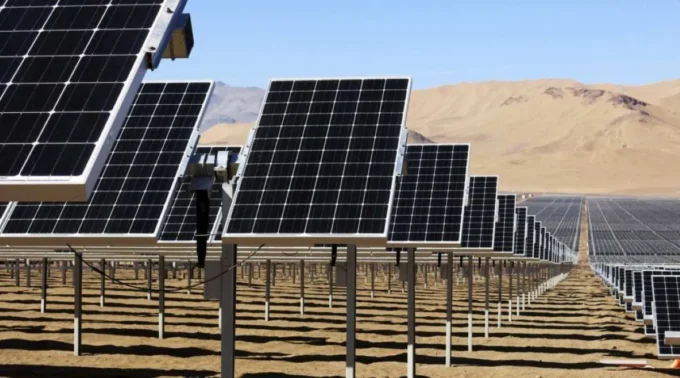
As climate change remains a global priority, China has pledged to support Africa’s transition to green development. Wang highlighted the “Africa Solar Belt,” an initiative to enhance the continent’s renewable energy capacity.
Achievements in Renewable Energy:
- Jointly built photovoltaic power stations with an installed capacity exceeding 1.5 gigawatts.
- Expanded access to clean energy, illuminating homes and reducing reliance on fossil fuels.
Future Plans:
China plans to implement clean energy projects proposed at the Beijing summit, enabling Africa to embrace sustainable development pathways. Moreover, China aims to collaborate with African nations to advocate for equitable international climate governance and increased support from developed nations.
Economic Collaboration and Market Access
Trade and investment remain at the heart of FOCAC’s mission. Wang called for an enhanced China-Africa investment and trade cooperation mechanism to provide broader market access and modern technologies.
Progress in Economic Partnerships:
- Trade between China and Africa reached $282 billion in 2023, a record high.
- China is Africa’s largest trading partner, accounting for 21% of the continent’s total trade.
- Major imports from Africa include oil, minerals, and agricultural products, while exports to Africa focus on machinery, electronics, and textiles.
Future Goals:
- Strengthen Africa’s industrial capacity through joint ventures and technology transfer.
- Expand partnerships in agriculture to improve food security.
- Promote e-commerce platforms to connect African small businesses with Chinese consumers.
Infrastructure as a Catalyst for Growth
Infrastructure development remains a cornerstone of China-Africa cooperation. Beyond roads, railways, and ports, there is a renewed focus on:
- Energy Infrastructure: Investments in hydropower, solar farms, and electricity grids to address Africa’s energy deficit.
- Telecommunications: Deployment of 5G networks to enhance digital connectivity and bridge the digital divide.
- Urban Development: Building smart cities equipped with modern amenities and sustainable practices.
People-to-People Exchanges
The China-Africa Year of People-to-People Exchanges, slated for 2025, aims to deepen cultural and educational ties. Initiatives include:
- Scholarship Programs: Providing opportunities for African students to study in China.
- Cultural Festivals: Showcasing African art and culture in China and vice versa.
- Skill Development: Training programs for African professionals in sectors such as healthcare, engineering, and ICT.
Challenges and the Road Ahead
Despite FOCAC’s successes, challenges remain:
- Debt Concerns:
Critics have raised concerns about Africa’s growing debt to China, which reached approximately $696 billion in 2023. However, Wang reaffirmed China’s commitment to sustainable financing, including debt restructuring and relief measures. - Security Issues:
Political instability and conflicts in parts of Africa pose risks to ongoing projects. Enhanced security cooperation will be vital to safeguarding investments. - Local Content Integration:
There is a growing demand for greater involvement of local businesses and labor in Chinese-funded projects to ensure inclusive growth.
African Leaders Praise FOCAC
During his meeting with Wang, President Denis Sassou Nguesso of the Republic of Congo lauded FOCAC’s contributions to Africa’s development. He emphasized the urgent need to address challenges in infrastructure, energy, agriculture, and industrialization.
Sassou Nguesso expressed optimism that China’s focus on Africa would inspire greater global attention and support for the continent.
The Tradition of Sino-African Engagement
Wang’s visit to the Republic of Congo is part of a broader tour of African nations, including Namibia, Chad, and Nigeria. This marks the 35th consecutive year that a Chinese foreign minister has started the year with a visit to Africa, symbolizing the importance China places on its partnership with the continent.
A Vision for the Future
FOCAC’s ambitious plans for the next three years reflect a shared vision of progress, sustainability, and mutual benefit. As China and Africa work together to implement these initiatives, the partnership is set to reach new heights, fostering a community of shared destiny.
By addressing global challenges such as climate change, economic inequality, and infrastructure gaps, the China-Africa partnership under FOCAC has the potential to serve as a model for South-South cooperation, delivering tangible benefits to millions of people across the globe.
Ready to take your career to the next level? Join our dynamic courses: ACCA, HESI A2, ATI TEAS 7 , HESI EXIT , NCLEX – RN and NCLEX – PN!🌟 Dive into a world of opportunities and empower yourself for success. Explore more at Serrari Ed and start your exciting journey today! ✨
photo source: Google
By: Montel Kamau
Serrari Financial Analyst
9th January, 2024