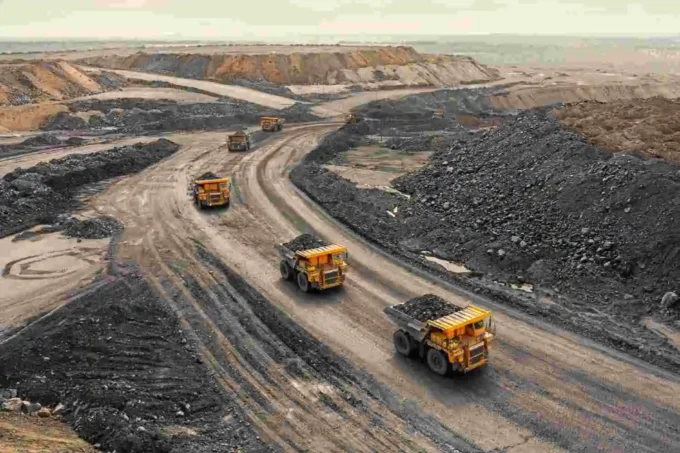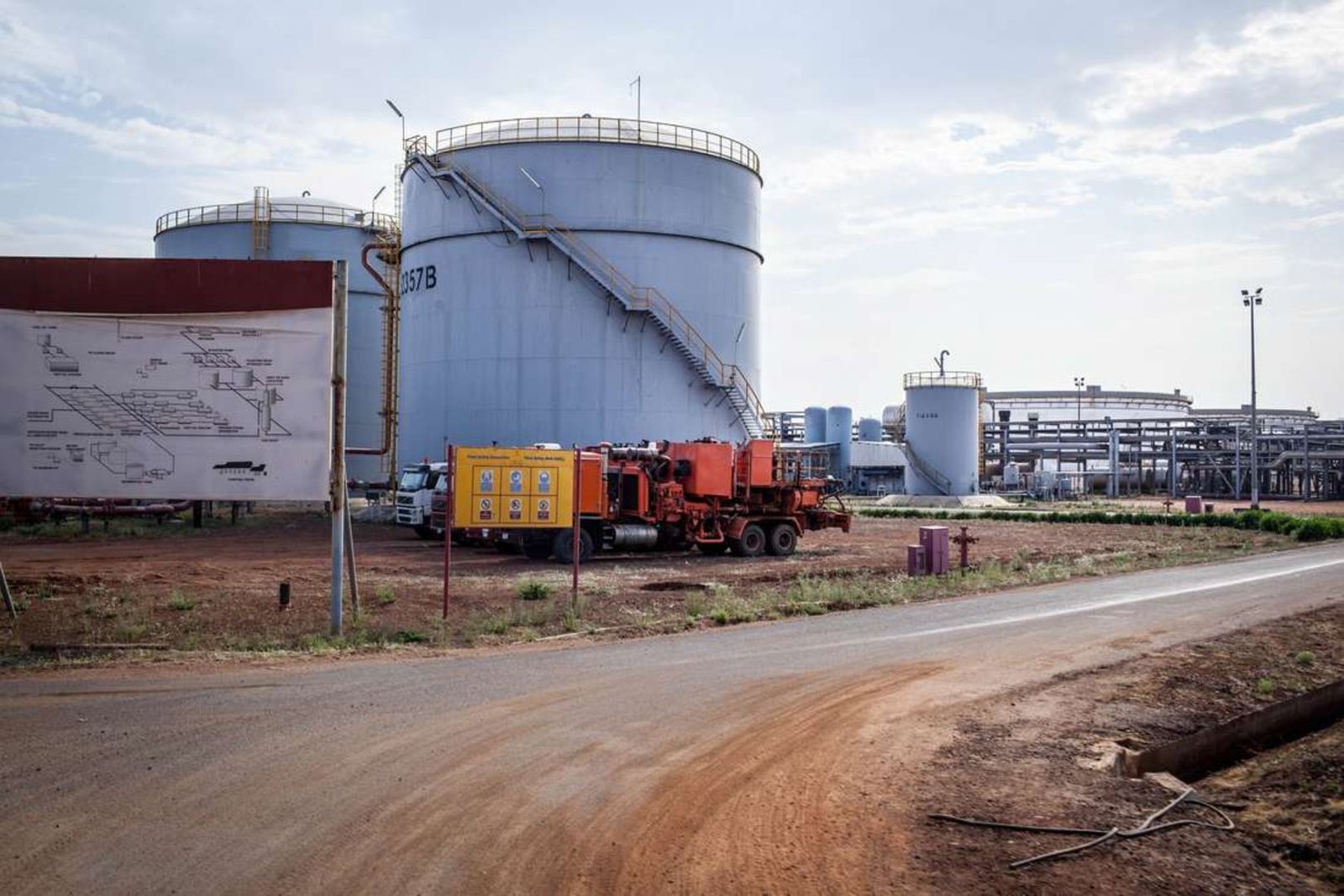
South Sudan has officially resumed oil production in Blocks 3 and 7 in Upper Nile State, marking a significant milestone for its struggling economy. This development follows the lifting of a nearly yearlong force majeure by Sudan’s government and the Basher Pipeline Company (Bapco), enabling the transport of crude oil to Port Sudan on the Red Sea.
The initial output target has been set at 90,000 barrels per day, as confirmed by South Sudan’s Petroleum Minister, Puot Kang, during the announcement on January 8, 2025.
Oil Production Resumption: A Critical Step Forward
South Sudan’s resumption of oil production comes at a time when the country is grappling with economic instability and humanitarian crises exacerbated by conflict in neighboring Sudan.
Force Majeure Lifted
The force majeure, declared in February 2024 due to security concerns and disruptions in Sudan, had halted oil production and exports. The recent decision by Sudan to lift the blockade reflects improved security conditions, paving the way for South Sudan to restart operations in partnership with Dar Petroleum Company (DPOC) and other stakeholders.
Economic Impact
Oil is the backbone of South Sudan’s economy, accounting for over 90% of government revenue. Prior to the conflict in Sudan, South Sudan was producing approximately 150,000 barrels of crude oil daily. The resumption of production, even at a reduced capacity of 90,000 barrels per day, is expected to provide much-needed revenue to stabilize the economy and fund essential services.
Challenges Facing the Oil Sector
Security Concerns
While Sudan has reported improved security conditions, ongoing tensions in the region continue to pose risks. Ensuring the safety of oil workers, infrastructure, and transportation routes remains a top priority.
Infrastructure Limitations
South Sudan’s reliance on Sudan for oil exports underscores the need for robust infrastructure development. The country’s oil is transported via pipelines that traverse Sudan, making it vulnerable to disruptions caused by regional conflicts.
Environmental and Operational Risks
Decades of conflict and insufficient investment in infrastructure have resulted in aging oil facilities. Environmental degradation and oil spills are persistent challenges, with local communities bearing the brunt of the impact.
Humanitarian Crisis and Migration Dynamics
Refugee Influx
South Sudan has become the second-largest recipient of people fleeing conflict in Sudan. Since April 2023, over 810,000 individuals have crossed into South Sudan, including returning South Sudanese refugees and asylum seekers from other countries.
Regional Impact
More than half of the refugees are hosted in the Maban region, while 135,000 have settled in the Ruweng Administrative Area. Urban areas are also experiencing an influx, adding pressure to already strained resources but also creating opportunities for economic integration.
Humanitarian Assistance
International organizations and local authorities are working to address the needs of refugees and host communities. However, funding gaps and logistical challenges hinder the delivery of essential services such as food, healthcare, and education.
Historical Context of South Sudan’s Oil Sector
South Sudan gained independence from Sudan in 2011, inheriting substantial oil reserves. Under the terms of an agreement, crude oil is exported through pipelines in Sudan to Port Sudan. However, this dependency has made South Sudan vulnerable to geopolitical and regional conflicts.
At its peak, South Sudan was producing 350,000 barrels per day. However, civil war, political instability, and regional tensions have significantly reduced output over the years.
The Path to Economic Recovery
Diversification Efforts
The government has expressed interest in diversifying the economy to reduce reliance on oil. Investments in agriculture, renewable energy, and small-scale industries are being promoted to create jobs and stimulate growth.
Strengthening Regional Cooperation
South Sudan’s relationship with Sudan and other neighboring countries will be crucial in ensuring the stability of oil exports. Diplomatic efforts to maintain peace and security along critical infrastructure routes are ongoing.
Attracting Foreign Investment
South Sudan’s leadership is actively seeking international investors to modernize its oil sector and expand production capacity. Recent efforts to improve transparency and governance in the sector are part of broader reforms aimed at creating a favorable investment climate.
Global Oil Market Trends
The resumption of oil production in South Sudan coincides with a volatile global oil market. Fluctuating oil prices and shifting energy policies worldwide add layers of complexity to the country’s efforts to maximize revenue from its oil exports.
Increased production from South Sudan could contribute to stabilizing the supply of crude oil in global markets, particularly in the context of ongoing geopolitical tensions that have disrupted supply chains.
Voices from Leadership
Minister Puot Kang described the resumption of oil production as a “critical turning point” for South Sudan’s economy:
“This milestone not only reaffirms our commitment to rebuilding our economy but also demonstrates the resilience and determination of our people and partners.”
Similarly, Dar Petroleum Company’s spokesperson emphasized the collaborative efforts that made the resumption possible:
“We are optimistic about the future of South Sudan’s oil sector. Our shared commitment to sustainability and development will ensure long-term benefits for the nation and its people.”
Future Prospects
The resumption of oil production is a significant step forward for South Sudan, but much work remains to be done. Addressing security challenges, modernizing infrastructure, and managing the influx of refugees will be critical to ensuring sustainable growth.
In the long term, the government’s ability to diversify the economy and invest in human capital will determine the country’s trajectory. International partnerships and regional cooperation will also play a pivotal role in shaping South Sudan’s economic and humanitarian landscape.
Ready to take your career to the next level? Join our dynamic courses: ACCA, HESI A2, ATI TEAS 7 , HESI EXIT , NCLEX – RN and NCLEX – PN!🌟 Dive into a world of opportunities and empower yourself for success. Explore more at Serrari Ed and start your exciting journey today! ✨
photo source: Google
By: Montel Kamau
Serrari Financial Analyst
8th January, 2024