The Africa Investment Forum 2024 Market Days marked a pivotal moment in the deepening relationship between Japan and Africa. Held from December 8 to 10, the event brought together leaders, investors, and innovators to discuss strategies for driving Africa’s agricultural and energy transformation. Central to the discussions was the role of Japanese technology and innovation, which was showcased as a critical catalyst for Africa’s sustainable development.
During the plenary session, African Development Bank President Dr. Akinwumi Adesina set the tone by emphasizing the untapped potential of Africa’s agricultural sector and the opportunities presented by its energy transition. He urged Japanese stakeholders to take bold actions, highlighting the importance of partnerships in unlocking Africa’s growth potential.
Agriculture: The Cornerstone of Africa’s Economic Future
Africa possesses 65% of the world’s remaining arable land, making it a critical frontier for global food security. With the continent’s food and agricultural market projected to reach $1 trillion by 2030, agriculture has emerged as a key driver of economic growth.
“Agriculture is the place to be,” declared Dr. Adesina. “You may like oil and gas, that’s fine. But nobody drinks oil, and nobody smokes gas. Everybody eats food three times a day.”
Dr. Adesina’s remarks underscored the urgency of addressing Africa’s agricultural challenges, including low productivity, insufficient infrastructure, and limited access to financing. He called on Japanese investors to leverage their technological expertise to revolutionize the sector.
Digital Innovations in Agriculture
Japanese companies showcased groundbreaking technologies that are transforming agricultural practices across Africa:
Satellite Monitoring by Space Shift Inc.
Space Shift Inc. presented an AI-powered satellite technology that combines optical and radar data to monitor crops continuously, even through cloud cover. This innovation is being used in Nigeria to predict harvest timings and track farming activities, improving decision-making and credit scoring for farmers.
Smart Agriculture by AAIC Partners Africa Limited
In Rwanda and Tanzania, AAIC Partners Africa Limited has deployed Internet of Things (IoT) solutions and satellite technologies to optimize agricultural operations over 1,700 hectares. Their work highlights how Japanese technology can drive efficiency and productivity in large-scale farming.
Instant Payments with VunaPay
VunaPay addressed a critical challenge faced by African farmers: delayed payments. Its digital platform enables instant payments upon produce delivery, providing financial stability to farmers. “Imagine working hard for a month and being told you won’t be paid for another six months,” said Koya Matsuno, COO of VunaPay, as he explained the transformative impact of their solution.
Carbon Credits and Methane Reduction
Green Carbon Inc. introduced sustainable practices such as biochar production and alternate wetting and drying (AWD) for rice fields, which can reduce methane emissions by up to 50%. These projects generate carbon credits, providing additional income for farmers while promoting environmental sustainability.
Energy Transition: The Green Revolution
Africa’s energy sector is undergoing a rapid transformation, driven by the need for sustainable solutions to address its growing energy demand. Japanese companies are playing a pivotal role in this green revolution:
Clean Energy by Hitachi Energy
Hitachi Energy is implementing renewable energy infrastructure across Africa, integrating clean energy into electrical grids and ensuring reliable power supply to cities and rural areas. Digital solutions are central to their approach, allowing real-time monitoring and issue identification to maintain power supply.
Hydrogen and Clean Cooking Solutions
Mizuho Bank highlighted two critical areas: hydrogen energy and clean cooking. With four in five Africans exposed to harmful gases from traditional cooking methods, transitioning to clean cooking solutions requires an investment of $4 billion. Mizuho Bank is championing this cause by facilitating partnerships and providing financing for sustainable energy projects.
Advancing Low-Carbon Hydrogen
The Japan Organization for Metals and Energy Security (JOGMEC) is actively promoting hydrogen and ammonia as low-carbon energy sources. JOGMEC’s initiatives focus on bridging the price gap to make these technologies accessible in Africa, advancing the continent’s transition to a low-carbon future.
Renewable Energy Projects
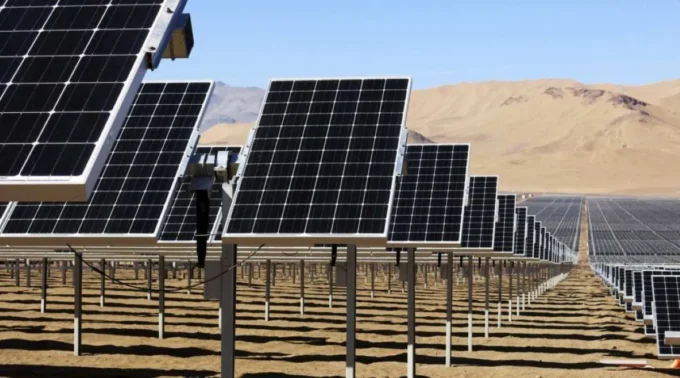
Nippon Export and Investment Insurance (NEXI) has significantly expanded its operations in Africa, underwriting renewable energy projects such as wind farms in Egypt and solar installations in Kenya. These projects are part of a $5 billion pipeline aimed at accelerating Africa’s green energy transition.
Strategic Partnerships and Financing
The Africa Investment Forum highlighted the importance of building ecosystems that foster collaboration between Japanese and African stakeholders.
Comprehensive Support from JICA
The Japan International Cooperation Agency (JICA) emphasized its three-pronged approach to supporting Africa: climate-resilient agriculture, food security enhancement, and financial inclusion. JICA’s partnerships, such as the $600 million Enhanced Private Sector Assistance for Africa (EPSA) facility, exemplify Japan’s commitment to Africa’s development.
Collaboration with MasterCard
The African Development Bank’s collaboration with MasterCard on the Community Pass program is another example of innovative partnerships. This initiative aims to provide 100 million African farmers with digital access to financial services, agricultural information, and market opportunities.
Catalyzing Action: From Interest to Implementation
A recurring theme throughout the forum was the need for Japanese investors to move beyond interest and take concrete action.
Ken Shibusawa, Vice-Chairperson of the Africa Project Team at Keizai Doyukai, stressed the “cost of inaction” for Japan. “In Japan, we have the technology, we have the people, we have the money, but what we lack is the action,” he said, urging businesses to seize opportunities in Africa to ensure a sustainable future for both regions.
Japan’s Long-Term Commitment to Africa
Deputy Vice Minister of Finance Daiho Fujii closed the forum by reaffirming Japan’s dedication to African development. Since its first participation in the African Development Fund in 1973, Japan has been a steadfast partner, contributing $9 billion through the EPSA program.
Looking ahead, the Tokyo International Conference on African Development (TICAD 9) in 2025 will provide another platform to strengthen Japan-Africa ties. “It is time for us to co-create innovative solutions together with Africa,” Fujii emphasized.
The Road Ahead
The 2024 Africa Investment Forum has set the stage for a new chapter in Japan-Africa relations. With Japanese technology and investment driving innovation in agriculture and energy, Africa is poised to achieve sustainable development, ensuring food security and energy access for future generations.
As stakeholders prepare for TICAD 9, the momentum generated at the forum underscores the transformative potential of this partnership, promising a brighter and more sustainable future for Africa.
Ready to take your career to the next level? Join our dynamic courses: ACCA, HESI A2, ATI TEAS 7 , HESI EXIT and NCLEX – RN !🌟 Dive into a world of opportunities and empower yourself for success. Explore more at Serrari Ed and start your exciting journey today! ✨
photo source: Google
By: Montel Kamau
Serrari Financial Analyst
20th December, 2024