

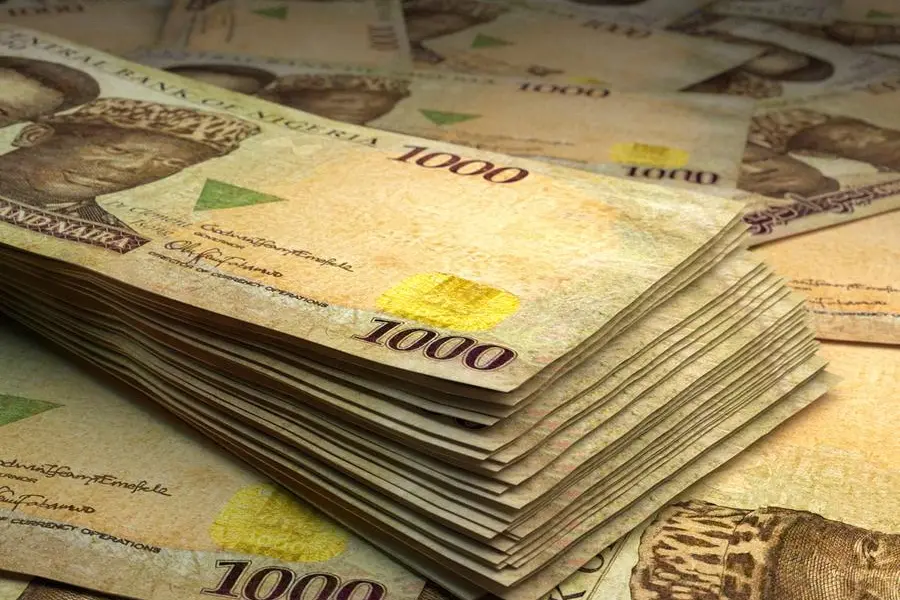
The Federal Government of Nigeria has successfully raised $2.2 billion through Eurobonds, a strategic move to finance the 2024 fiscal deficit and support its broader budgetary objectives. These funds, split between $700 million in 6.5-year bonds maturing in 2031 and $1.5 billion in 10-year bonds maturing in 2034, were issued at competitive yields of 9.625% and 10.375%, respectively.
A Milestone in Nigeria’s Fiscal Strategy
The Debt Management Office (DMO) revealed the successful pricing in a statement on Monday, highlighting the positive reception of the bond issuance in international markets. According to the DMO, the offering attracted a peak order book exceeding $9 billion, representing an oversubscription of over 4.18 times the initial target.
“This outcome underscores the strong confidence in Nigeria’s sound macroeconomic framework and fiscal management,” stated Patience Oniha, Director-General of the DMO.
The proceeds from the Eurobond issuance will be directed toward bridging the country’s 2024 budget deficit, estimated at ₦14.46 trillion (approximately $18.8 billion). This deficit represents 4.5% of the nation’s GDP, as outlined in Nigeria’s Medium-Term Expenditure Framework and Fiscal Strategy Paper for 2024-2026.
Global Investor Confidence
The Eurobond issuance was met with robust interest from a diverse pool of investors across geographies, including the United Kingdom, North America, Europe, Asia, and the Middle East. Nigerian investors also participated, further underscoring domestic confidence in the government’s fiscal strategy.
The demand for Nigeria’s bonds was strong across various investor classes, including fund managers, insurance and pension funds, hedge funds, banks, and other financial institutions.
Olawale Edun, Nigeria’s Minister of Finance and Coordinating Minister of the Economy, highlighted the significance of the issuance:
“Today’s successful issuance signifies increasing confidence in the efforts of President Bola Ahmed Tinubu’s administration to stabilize the economy and chart a course for sustainable, inclusive growth. The broad investor appetite for our Eurobonds is a testament to our ongoing economic reforms and engagement with international capital markets.”
A Competitive Yield in Challenging Conditions
The 9.625% and 10.375% yields for the 6.5-year and 10-year bonds, respectively, reflect Nigeria’s efforts to remain competitive in a challenging global economic environment. Recent global monetary tightening by major central banks has elevated borrowing costs for emerging markets. Despite these conditions, Nigeria’s ability to attract oversubscription demonstrates its resilience and improved liquidity position.
Central Bank of Nigeria (CBN) Governor, Olayemi Cardoso, emphasized the significance of this achievement:
“This outcome underscores the growing confidence of investors in Nigeria’s creditworthiness. It highlights our improved liquidity position and access to international markets to support the financing needs of the government.”
Strategic Utilization of Funds
The government has earmarked the $2.2 billion Eurobond proceeds for addressing critical budgetary needs and financing the fiscal deficit. The funds are expected to play a pivotal role in bridging gaps in infrastructure, healthcare, and education, while also boosting social intervention programs.
The Tinubu administration has prioritized the diversification of funding sources and deepened engagement with international capital markets as part of its fiscal sustainability efforts. The issuance also aligns with the government’s focus on reducing dependency on local borrowing, which has historically exerted pressure on domestic interest rates and liquidity.
Economic Reforms Driving Confidence
Nigeria’s recent economic reforms have played a crucial role in boosting investor confidence. Key policy measures include the removal of fuel subsidies, unification of exchange rates, and the introduction of market-driven economic strategies to spur growth and attract foreign investment.
The government has also taken steps to streamline public spending and enhance revenue generation through measures such as improved tax administration, privatization of non-performing public assets, and the implementation of performance-based budgeting.
“These reforms are not just about economic stabilization but are part of a broader vision to create a more inclusive and sustainable economy for all Nigerians,” added Edun.
Nigeria’s Debt Profile: A Balancing Act
Despite the success of the Eurobond issuance, concerns about Nigeria’s rising debt profile remain. As of June 2024, the country’s total public debt stood at ₦87 trillion (approximately $113 billion), with external debt accounting for nearly 40% of the total.
However, the government maintains that its debt levels are sustainable. The DMO has emphasized that Nigeria’s debt-to-GDP ratio of approximately 32.5% remains below the 55% threshold recommended by the International Monetary Fund (IMF) for developing economies.
Analysts, however, caution that the government must balance its borrowing strategy with efforts to boost revenue and curb wasteful spending. Increased reliance on Eurobonds also exposes the country to exchange rate risks, particularly in the context of a weakening naira.
Strategic Listing of Notes
The Eurobond notes will be admitted to the official list of the UK Listing Authority and made available for trading on the London Stock Exchange’s regulated market. They will also be accessible on the FMDQ Securities Exchange Limited and the Nigerian Exchange Limited.
This multi-listing strategy enhances the liquidity and attractiveness of the bonds, offering investors multiple platforms for trading and secondary market engagement.
Broader Implications for Emerging Markets
Nigeria’s successful Eurobond issuance serves as a bellwether for other emerging markets facing similar fiscal challenges. Amid global economic uncertainties and tightening monetary policies, the ability to attract oversubscription signals robust investor appetite for high-yield opportunities in frontier markets.
By leveraging its strong demand, Nigeria has set a benchmark for African nations looking to tap international capital markets.
Looking Ahead: Challenges and Opportunities
While the successful Eurobond issuance is a positive development, it also underscores the challenges ahead. Nigeria must ensure that the borrowed funds are utilized effectively to deliver tangible economic benefits. Transparency and accountability in fund allocation will be critical to maintaining investor confidence.
Furthermore, the government must address structural bottlenecks in the economy, including issues related to power supply, security, and regulatory inefficiencies. These challenges, if unresolved, could dampen the long-term impact of the funds raised.
The Road to Inclusive Growth
As Nigeria navigates its fiscal challenges, the Eurobond issuance is a step toward achieving its broader economic goals. The Tinubu administration’s focus on reforms, transparency, and international engagement positions the country to unlock new growth opportunities while addressing the needs of its citizens.
For the global investor community, Nigeria’s story is one of resilience, adaptability, and untapped potential. The successful $2.2 billion Eurobond issuance is not just a financing milestone but a reaffirmation of the country’s commitment to economic progress.
Ready to take your career to the next level? Join our dynamic courses: ACCA, HESI A2, ATI TEAS 7 , HESI EXIT and NCLEX – RN !🌟 Dive into a world of opportunities and empower yourself for success. Explore more at Serrari Ed and start your exciting journey today! ✨
photo source: Google
By: Montel Kamau
Serrari Financial Analyst
4th December, 2024