Introduction
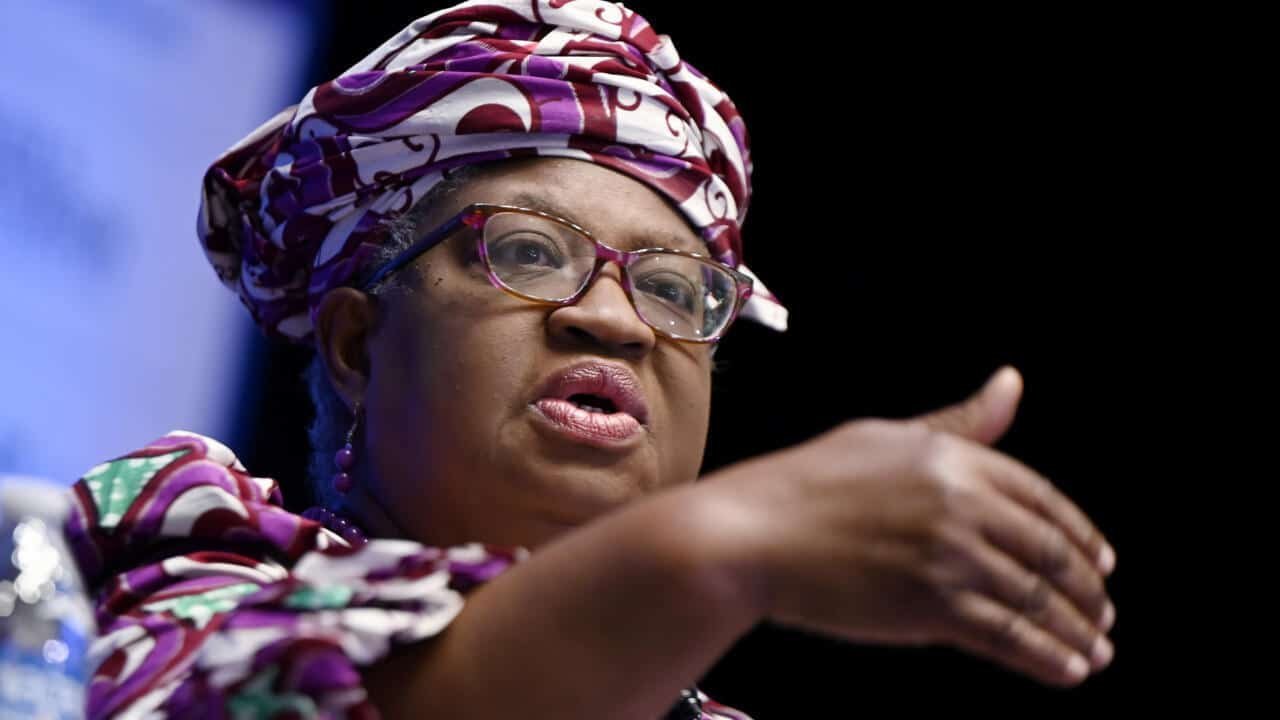
Ngozi Okonjo-Iweala, the first woman and first African to lead the World Trade Organization (WTO), is poised to be reappointed for a second term amid rising tensions and uncertainties surrounding the future of international trade rules. Her reappointment comes as geopolitical divides intensify, and the potential return of former U.S. President Donald Trump to the White House looms large, posing significant challenges to the global trade body’s stability and relevance.
Context of Okonjo-Iweala’s Leadership
Appointed in March 2021 after overcoming months of delay caused by opposition from the Trump administration, Okonjo-Iweala brought a fresh perspective to the WTO. Her tenure has been marked by efforts to modernize the organization, focus on climate change, and address the trade disruptions caused by the COVID-19 pandemic. Despite these strides, the WTO faces deep-rooted challenges, including a paralyzed dispute resolution mechanism and growing skepticism toward multilateralism among key member states.
Reappointment Amid Political Calculations
Okonjo-Iweala’s current term is set to end in August 2025. However, discussions among WTO members have accelerated her reappointment process to preempt any potential opposition from a Trump administration should he return to power. Her uncontested candidacy reflects members’ preference for continuity over the risks of a leadership vacuum or a politically charged selection process.
According to sources close to the WTO, Okonjo-Iweala’s reappointment is not just a vote of confidence in her leadership but also a pragmatic move to shield the organization from external disruptions. The expedited decision aligns with a proposal by African states, emphasizing her broad support across member nations.
Challenges Posed by Trump’s Potential Return
During his first term, Trump was a vocal critic of the WTO, accusing it of being biased against the United States and undermining its trade sovereignty. His administration crippled the WTO’s Appellate Body by blocking the appointment of judges, effectively halting its ability to resolve trade disputes. Trump also threatened to withdraw the U.S. from the organization entirely.
Trump’s rhetoric during his 2024 campaign suggests a return to aggressive trade policies, including the imposition of tariffs on key trading partners like China, Canada, and Mexico. Analysts fear that a second Trump presidency could exacerbate tensions within the WTO, undermining its role as a mediator in global trade conflicts.
Broader Challenges Beyond the U.S.
While U.S. policies under Trump draw significant attention, the WTO’s challenges extend beyond Washington. Many member countries have increasingly turned to unilateral trade measures to address domestic priorities such as national security, climate change, and industrial policy. This trend reflects waning commitment to the WTO’s rules-based system and highlights the need for reforms to restore its credibility.
For instance, disputes between the European Union and China over subsidies, as well as growing protectionism in emerging economies, have added to the WTO’s workload and exposed gaps in its framework. Addressing these issues requires not only political will but also innovative approaches to balance national interests with global trade norms.
Okonjo-Iweala’s Reform Agenda
Since assuming office, Okonjo-Iweala has advocated for comprehensive reforms to revitalize the WTO. Key priorities include:
- Restoring the Dispute Resolution System: The collapse of the Appellate Body remains a critical issue. Efforts to reform the system have been met with mixed reactions, with some members calling for stricter adherence to rules while others seek greater flexibility.
- Addressing Climate Change: Okonjo-Iweala has emphasized the need for trade policies that support environmental sustainability. Initiatives such as carbon border adjustment mechanisms and green technology transfers are central to this agenda.
- Promoting Inclusive Trade: Recognizing the disproportionate impact of trade policies on developing nations, Okonjo-Iweala has pushed for greater representation and capacity-building support for these countries within the WTO framework.
- Responding to Geopolitical Shifts: The rise of regional trade blocs and bilateral agreements has challenged the WTO’s centrality. Okonjo-Iweala’s leadership seeks to reinvigorate multilateralism by demonstrating the benefits of global cooperation.
Potential Outcomes and Strategic Options
Okonjo-Iweala’s second term will likely focus on navigating these complex dynamics while safeguarding the WTO’s core functions. Experts suggest that the organization must adopt a more pragmatic approach, prioritizing achievable reforms over grand but unattainable goals.
In the short term, building consensus among major economies, including the U.S., EU, and China, will be crucial. Establishing a roadmap for dispute resolution reform and securing commitments to address trade-related environmental issues could serve as confidence-building measures.
Longer-term strategies might involve redefining the WTO’s role in a multipolar world, where regional agreements and non-state actors play an increasingly significant role in shaping trade policies. Strengthening partnerships with institutions like the International Monetary Fund (IMF) and the World Bank could also enhance the WTO’s relevance in addressing global challenges.
Conclusion
Ngozi Okonjo-Iweala’s reappointment as WTO chief comes at a pivotal moment for the organization. While her leadership has been widely recognized, the road ahead is fraught with challenges, from potential U.S. disengagement to broader systemic issues. Her ability to navigate these complexities and build a more resilient WTO will determine not only the organization’s future but also the stability of the global trading system.
Ready to take your career to the next level? Join our dynamic courses: ACCA, HESI A2, ATI TEAS 7 , HESI EXIT and NCLEX – RN !🌟 Dive into a world of opportunities and empower yourself for success. Explore more at Serrari Ed and start your exciting journey today! ✨
photo source: Google
By: Montel Kamau
Serrari Financial Analyst
2nd December, 2024