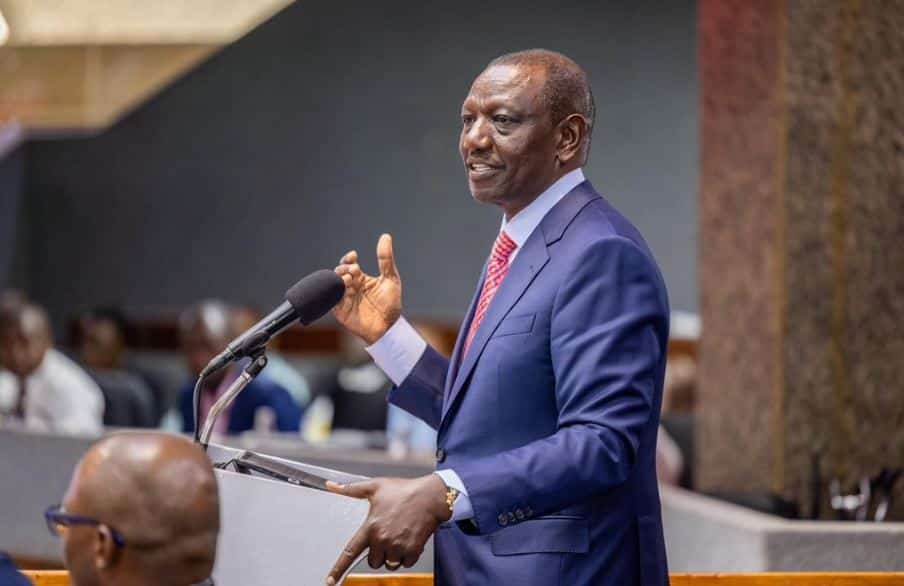
Kenyan President William Ruto has hailed his administration’s achievements in stabilizing the economy, citing a significant reduction in inflation as one of the highlights of his two-year tenure. Inflation dropped from 9.6% in September 2022 to 2.7% in October 2024, the lowest rate recorded in the country in 17 years.
During his State of the Nation Address, delivered to both houses of Parliament, President Ruto emphasized that these gains have been achieved despite challenging local and global economic conditions. He also outlined his administration’s plans to sustain and enhance economic stability.
Key Milestones in Economic Stabilization
- Inflation Reduction
The drop in inflation to 2.7% is attributed to a combination of factors, including the government’s fiscal discipline, reforms in taxation, and efforts to curb public resource wastage. Lower prices for essential commodities, improved agricultural productivity, and stable energy costs have also played a crucial role in easing inflationary pressures. - Currency Stabilization
President Ruto highlighted a significant recovery of the Kenyan shilling, which appreciated from KSh 162 to the dollar in February 2024 to KSh 129 by November 2024. This 20% recovery marks a milestone in currency stabilization and reflects growing investor confidence and strengthened foreign exchange reserves. - Economic Growth
The President reported a 5.6% GDP growth in 2023 and projected a 5% growth for 2024, signaling resilience in Kenya’s economy despite global uncertainties. Key sectors contributing to this growth include agriculture, ICT, tourism, and manufacturing. - Tax Revenue Growth
The government achieved an 11.5% increase in business tax revenue, supported by expanded tax bases and improved compliance measures. Initiatives such as digitizing tax collection processes and cracking down on tax evasion have yielded significant results.
Policy Measures and Reforms
President Ruto outlined several measures that his administration has implemented to stabilize the economy and foster sustainable growth:
1. Reducing Government Expenditure
To address the ballooning wage bill, the government has introduced plans to reduce the size of the public sector workforce. This includes freezing non-essential hiring and reassessing roles in various departments.
2. Mobilizing Resources Through Increased Taxation
The administration has enacted tax reforms targeting high-net-worth individuals and multinational corporations, ensuring equitable contributions to national revenue. These measures aim to reduce the fiscal deficit while maintaining a fair taxation environment.
3. Curbing Public Resource Wastage
The government has instituted stricter financial oversight to eliminate corruption and inefficiencies in public spending. Enhanced auditing processes and digitization of public procurement systems are expected to bolster transparency and accountability.
4. Strengthening Agricultural Production
As agriculture remains a backbone of Kenya’s economy, the government has invested heavily in irrigation projects, subsidies for fertilizers, and access to markets for small-scale farmers. These interventions have not only stabilized food prices but also contributed to improved rural incomes.
5. Expanding Trade Opportunities
President Ruto’s administration has pursued bilateral and multilateral trade agreements to enhance exports, particularly in the horticulture, tea, coffee, and textiles sectors. The government has also prioritized infrastructure projects to improve trade logistics, including upgrading ports and road networks.
Economic Challenges and Global Context
Despite these achievements, Kenya’s economy faces persistent challenges:
- High Public Debt
Kenya’s public debt remains a significant concern, with debt servicing consuming a substantial portion of government revenues. The administration is negotiating favorable repayment terms with lenders and exploring alternative financing options. - Global Economic Pressures
External factors such as fluctuating commodity prices, climate change, and geopolitical tensions have impacted Kenya’s economy. Rising interest rates globally have also constrained access to affordable financing. - Unemployment and Cost of Living
While inflation has eased, high unemployment and rising living costs remain critical issues. The government has pledged to create jobs through industrialization and investment in the digital economy.
Public Reception and Political Implications
President Ruto’s economic reforms have drawn mixed reactions. Supporters praise his administration’s efforts to stabilize the economy and foster growth, while critics argue that the measures have disproportionately impacted lower-income households.
For instance, the increased taxation policies have faced backlash from small business owners and informal sector workers, who feel overburdened by the reforms. Meanwhile, opposition leaders have questioned the long-term sustainability of the government’s strategies, calling for more inclusive policies to address inequality.
Future Economic Outlook
President Ruto expressed optimism about Kenya’s economic trajectory, stating that his administration is working tirelessly to position the country for long-term prosperity. Upcoming initiatives include:
- Green Energy Investments
Plans are underway to increase Kenya’s renewable energy capacity, particularly in geothermal, wind, and solar power. These investments aim to reduce reliance on fossil fuels, lower energy costs, and attract environmentally conscious investors. - Digital Economy Growth
Kenya is leveraging its status as a regional ICT hub to expand the digital economy. The government has launched programs to enhance internet connectivity, promote e-commerce, and support tech startups. - Infrastructure Modernization
Major infrastructure projects, such as the Nairobi Expressway and LAPSSET Corridor, are expected to boost trade and regional integration, contributing to economic growth. - Social Programs
To cushion vulnerable populations, the government plans to scale up social safety nets, including cash transfer programs and affordable housing initiatives.
Conclusion
President William Ruto’s administration has made significant strides in stabilizing Kenya’s economy, as evidenced by the historic drop in inflation and a stronger shilling. However, sustaining these gains will require addressing structural challenges, managing public debt, and ensuring inclusive growth.
As the government continues to implement its reforms, Kenyans will be watching closely to see if these measures translate into tangible benefits for the population. President Ruto’s legacy will likely be defined by how effectively his administration navigates the complex economic landscape and delivers on its promises of prosperity and stability.
Ready to take your career to the next level? Join our dynamic courses: ACCA, HESI A2, ATI TEAS 7 and HESI EXIT !🌟 Dive into a world of opportunities and empower yourself for success. Explore more at Serrari Ed and start your exciting journey today! ✨
photo source: Google
By: Montel Kamau
Serrari Financial Analyst
22nd November, 2024