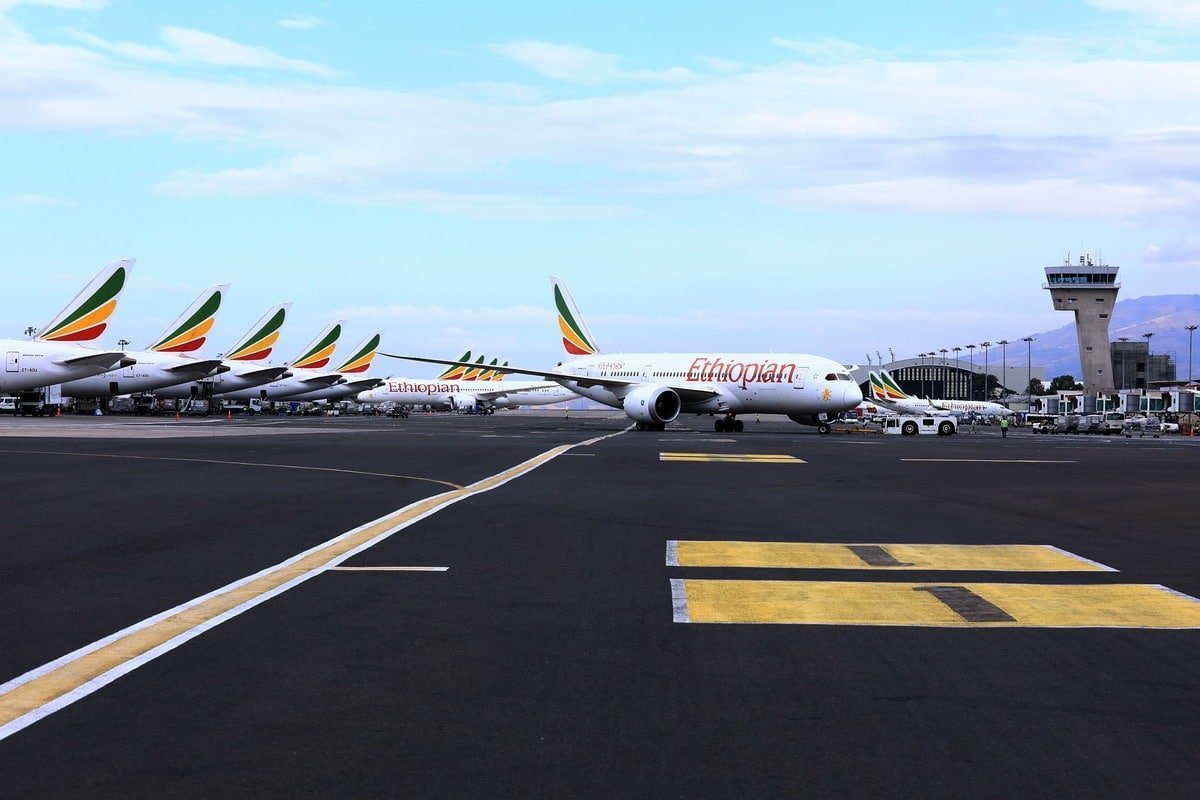
Africa is set to unveil its most ambitious aviation infrastructure project yet: a new mega-airport near Bishoftu, Ethiopia, 25 miles from the bustling capital city of Addis Ababa. Costing an estimated £5 billion, this facility will not only become the largest airport on the continent but also one of the busiest globally, with projections of handling 110 million passengers annually.
The project, aptly named “Mega Airport City,” promises to revolutionize air travel in Africa. It aims to enhance Ethiopia’s connectivity, stimulate economic growth, and serve as a model for sustainable and technologically advanced infrastructure. Ethiopian Airlines, the nation’s flagship carrier, has played a pivotal role in spearheading this initiative, alongside Dar Al-Handasah Consultants, which has been entrusted with designing and overseeing the project.
The Vision Behind Mega Airport City
The ambitious project underscores Ethiopia’s determination to cement its status as a regional and global aviation hub. Ethiopian Airlines Group CEO, Mesfin Tasew, emphasized that the airport would not only improve air connectivity but also drive economic progress while prioritizing environmentally responsible practices.
Mega Airport City is envisioned as a modern aerotropolis, featuring a four-runway configuration and state-of-the-art terminal facilities. The project aims to address the limitations of the current Addis Ababa Bole International Airport, which, despite its strategic importance, faces capacity constraints. Located at an altitude of 2,334 meters (7,625 feet) above sea level, Bole Airport is among the highest international airports in the world, which presents operational challenges.
Strategic Importance
Ethiopia’s central location makes it an ideal aviation hub, connecting Africa with Europe, Asia, and the Americas. The new airport will further solidify this position, offering enhanced facilities and capacity to accommodate the growing passenger and cargo demands.
Ethiopian Airlines, already Africa’s largest and most profitable airline, has become synonymous with efficiency and growth in the aviation sector. The airline plays a crucial role in promoting intra-African trade and tourism while also serving as a vital link for international travel. The Mega Airport City will amplify these efforts, supporting the airline’s vision to double its passenger capacity by 2035.
Economic Impacts
The economic implications of the project are monumental. The construction phase alone is expected to generate thousands of jobs, with long-term benefits including increased tourism, business opportunities, and enhanced logistics for trade. Once operational, the airport will act as a catalyst for economic activities in the surrounding regions, fostering urbanization and infrastructure development.
Mega Airport City is also expected to bolster Ethiopia’s foreign exchange earnings by facilitating increased international trade and tourism. The airport will support the nation’s broader economic strategy, which aims to diversify beyond traditional sectors like agriculture and focus on manufacturing, services, and technology.
Sustainability and Innovation
In line with global trends, Mega Airport City will incorporate eco-friendly and sustainable practices. Plans include renewable energy solutions, water conservation systems, and cutting-edge waste management technologies. This aligns with Ethiopia’s commitment to environmental sustainability, which has been highlighted in various national development plans.
Technological innovation is another cornerstone of the project. The airport will feature advanced air traffic control systems, biometric passenger identification, and seamless baggage handling technologies. These innovations aim to deliver a world-class travel experience while maintaining stringent security standards.
Challenges and Criticism
Despite its promise, the project is not without challenges. Financing a £5 billion infrastructure development is a monumental task for a country with limited fiscal space. Ethiopia has relied heavily on external financing for its development projects, and critics have raised concerns about the long-term debt implications.
Additionally, the success of Mega Airport City hinges on the stability of Ethiopia’s political landscape. The country has faced significant internal conflicts in recent years, which could potentially disrupt construction timelines or deter foreign investment.
Comparisons with Global Giants
Upon completion, the Ethiopian mega-airport will join the ranks of some of the world’s busiest and largest airports, such as Hartsfield-Jackson Atlanta International Airport (USA), Beijing Daxing International Airport (China), and Dubai International Airport (UAE). While these airports are located in countries with significantly larger economies, Ethiopia’s determination to enter this elite club is a testament to its aspirations for global recognition and influence.
Regional Competition
Africa is witnessing a surge in aviation-related investments, with countries like Kenya, South Africa, and Nigeria also upgrading their airport facilities. However, Ethiopia’s project stands out due to its scale and ambition. The airport is poised to outshine existing hubs like OR Tambo International Airport in Johannesburg and Jomo Kenyatta International Airport in Nairobi, positioning Ethiopia as the continent’s aviation leader.
Completion Timeline
The Mega Airport City is expected to be operational by 2029, with construction progressing in phases. By then, the global aviation industry is projected to recover fully from the COVID-19 pandemic, with Africa experiencing the fastest growth in passenger demand.
This timeline aligns with Ethiopian Airlines’ strategic expansion plans, which include introducing new routes and increasing fleet size. The airline has already placed orders for next-generation aircraft to meet future demand.
Implications for Africa
The new airport is not just a milestone for Ethiopia but a symbol of Africa’s potential in the global aviation industry. It highlights the continent’s readiness to embrace modern infrastructure and leverage its strategic advantages. As Africa continues to grow economically, projects like Mega Airport City will play a pivotal role in shaping its future.
The Mega Airport City project represents a bold step forward for Ethiopia and Africa at large. With its completion, Ethiopia will not only redefine its aviation sector but also set a precedent for ambitious infrastructure development across the continent.
Ready to take your career to the next level? Join our dynamic courses: ACCA, HESI A2, ATI TEAS 7 and HESI EXIT !🌟 Dive into a world of opportunities and empower yourself for success. Explore more at Serrari Ed and start your exciting journey today! ✨
Photo source: Google
By: Montel Kamau
Serrari Financial Analyst
20th November, 2024