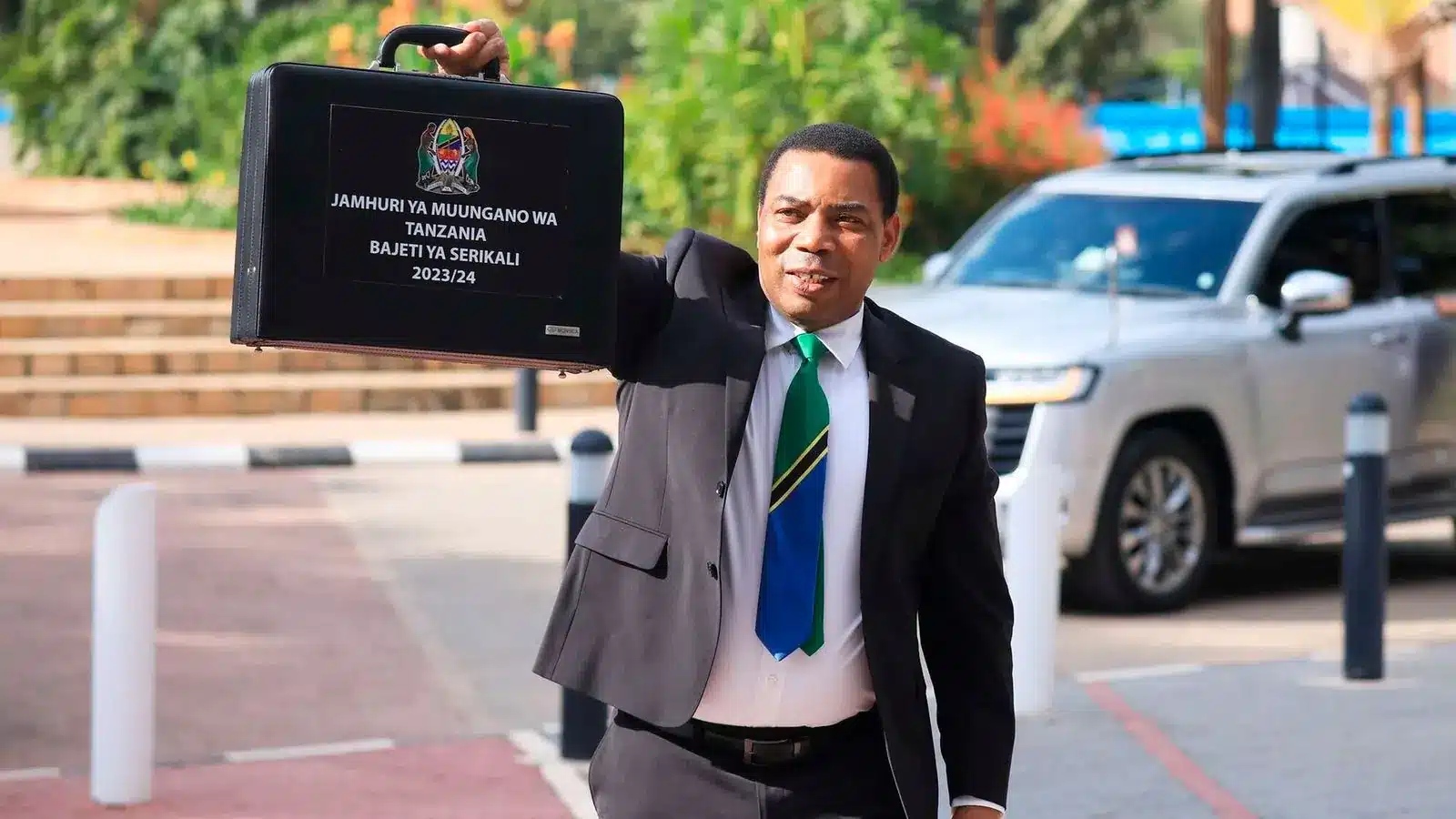
Tanzania plans to increase its national budget by 11.6% for the 2025/2026 fiscal year, elevating it from TSh 49.35 trillion ($18.98 billion) to TSh 55.06 trillion ($20.4 billion). The proposed increase reflects the country’s ambition to fund domestic priorities and reduce its dependence on external financing sources. Tanzania’s Finance Minister Mwigulu Nchemba outlined the details of this significant budget boost in his recent address to the National Assembly on November 1, setting an optimistic trajectory for economic growth and self-reliance through robust domestic revenue generation.
Tanzania’s Financial Landscape: A Balancing Act Between Debt and Revenue Generation
As of September 2024, Tanzania’s external debt stands at $32.89 billion, slightly up from $32.70 billion in August. Despite the increasing debt, Tanzania has maintained favorable credit ratings, which, according to Minister Nchemba, positions the country as a stable destination for future investments and loans. In March 2024, Moody’s upgraded Tanzania’s long-term issuer ratings from B2 to B1, surpassing other East African Community (EAC) nations. This upgrade was reaffirmed in September, primarily due to Tanzania’s “moderate” debt burden and proactive debt management practices. Furthermore, in June, Fitch Ratings assigned Tanzania a B+ rating with a stable outlook, citing consistent GDP growth projections (5.4% for 2024), structural reforms, and improved fiscal management as positive indicators.
With this strong financial standing, Tanzania expects to increase its capacity to attract international funding if needed, but its primary focus remains on enhancing domestic revenue collection, as reflected in the 70% domestic financing goal for the 2025/2026 budget. Minister Nchemba emphasized that the government is determined to implement a medium-term revenue collection strategy aimed at sustaining domestic funding of the budget, gradually reducing dependency on loans and foreign assistance.
Increased Revenue Projections and Funding Sources
Under the new budget framework, Tanzania projects internal revenue to rise from TSh 34.6 trillion ($12.79 billion) in 2024/2025 to TSh 38.9 trillion ($14.4 billion). External contributions, including concessional loans, aid, and commercial loans, are expected to bring in an additional TSh 16.02 trillion ($5.93 billion). Among these, concessional loans are anticipated to yield TSh 5.6 trillion ($2.07 billion), with commercial loans covering the balance. The government has also set a cap on development aid contributions from international partners at TSh 1.02 trillion ($377.77 million).
This reliance on internal resources signifies a shift in Tanzania’s fiscal strategy, underscoring its ambition to achieve a greater level of financial autonomy. According to Minister Nchemba, this is part of a broader plan to strengthen the Tanzania Revenue Authority (TRA) and ensure effective revenue collection to support ambitious public spending programs.
Economic Reforms and Taxation Challenges
The Tanzania Revenue Authority (TRA) has been given a collection target of TSh 29.41 trillion ($11.31 billion) for the 2024/2025 fiscal year, which accounts for a substantial portion of the planned revenue base. The TRA has already reported strong revenue collection in the first quarter (July to September), surpassing its target with collections totaling TSh 7.79 trillion ($2.88 billion). However, while revenue figures appear promising, TRA has recently faced criticism from both domestic and foreign businesses for alleged malpractices in tax administration. Concerns over these practices have led to the formation of a presidential commission in October 2024 to examine and reform the country’s tax policies.
The commission’s review aims to identify and rectify issues within the TRA’s tax collection procedures, which many businesses argue have hindered growth and investment. As the commission’s findings are expected to be critical to the success of the new budget plan, its recommendations could reshape Tanzania’s taxation landscape and potentially improve investor confidence in the country.
Budget Allocation: Priorities in Development and Public Services
In the proposed 2025/2026 budget, TSh 38.6 trillion ($14.29 billion) is earmarked for recurrent expenditure, while development expenditure is set at TSh 16.4 trillion ($6.07 billion). Among the key priorities is the funding of Tanzania’s general election scheduled for October 2025, which, while not explicitly allocated in the framework, will require significant resources to conduct successfully.
Other major expenditure areas include infrastructure development, health, education, and agricultural support, all aimed at addressing socio-economic disparities and enhancing the quality of life for Tanzanians. The increased focus on domestic-funded projects signals Tanzania’s commitment to building long-term resilience and reducing its reliance on international debt.
Infrastructure Investments and Economic Development Goals
To support its growth ambitions, Tanzania has laid out an extensive development agenda that includes improving infrastructure, boosting the industrial sector, and investing in digital and renewable energy projects. This approach aligns with President Samia Suluhu Hassan’s vision of transforming Tanzania into a middle-income economy. With a focus on industrialization and infrastructure, Tanzania seeks to reduce poverty, generate employment, and enhance productivity across sectors.
Key projects in infrastructure development include road and bridge construction, railway expansion, and port modernization, which are crucial for improving trade connectivity both regionally and globally. These projects are expected to foster economic growth and enable Tanzanian businesses to reach new markets, enhancing the country’s position as a trade hub in East Africa.
The Role of Foreign Direct Investment (FDI) and Regional Partnerships
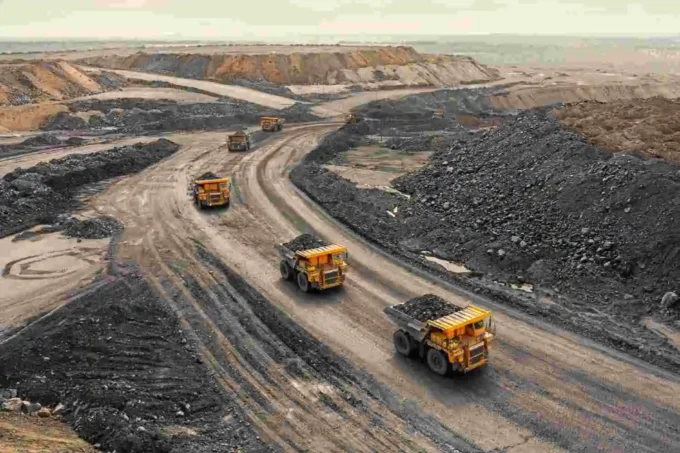
In addition to domestic revenue, foreign direct investment (FDI) remains a key driver of Tanzania’s development goals. The government is actively engaging with international partners to attract FDI, with recent projects indicating a renewed interest from foreign investors in Tanzania’s energy and mining sectors. The country’s stable political environment, ongoing economic reforms, and strategic geographic location have made it an attractive destination for investment within the EAC.
Furthermore, Tanzania’s leadership in the EAC has facilitated collaborative infrastructure projects, such as the EAC’s plans for cross-border transport corridors, energy interconnections, and joint trade agreements. These initiatives are expected to strengthen Tanzania’s economic ties with neighboring countries and stimulate mutual growth across the region.
Future Challenges and Risks
While the proposed budget for 2025/2026 reflects optimism, Tanzania faces several challenges, including the potential impact of global economic conditions, fluctuating commodity prices, and domestic inflation. Additionally, sustaining high growth rates in the face of external debt obligations will require careful economic planning and strategic investment.
With its external debt nearing $33 billion, Tanzania must balance borrowing needs with prudent fiscal policies to maintain creditworthiness and avoid over-dependence on debt. As the government continues to navigate these complexities, it remains focused on maintaining macroeconomic stability, ensuring that the country’s growth momentum is not derailed by external economic pressures.
Conclusion: A Path Forward for Tanzania’s Economic Transformation
Tanzania’s decision to increase its budget to approximately $20 billion for the upcoming fiscal year underscores the country’s commitment to economic development and fiscal self-reliance. By emphasizing domestic revenue collection and prudent public spending, Tanzania is positioning itself as a resilient and dynamic economy within East Africa.
The successful implementation of the 2025/2026 budget will hinge on the government’s ability to address tax administration challenges, improve infrastructure, and attract sustained investment. With supportive credit ratings, robust economic reforms, and ambitious development goals, Tanzania is poised to continue its journey towards economic transformation and greater financial independence. However, realizing these goals will require overcoming fiscal challenges and fostering an environment conducive to business growth and investment.
As Tanzania moves forward, the 2025/2026 budget stands as a testament to its strategic vision, highlighting the importance of sustainable economic policies in driving long-term prosperity.
Ready to take your career to the next level? Join our dynamic courses: ACCA, HESI A2, ATI TEAS 7 and HESI EXIT !🌟 Dive into a world of opportunities and empower yourself for success. Explore more at Serrari Ed and start your exciting journey today! ✨
Photo source: Google
By: Montel Kamau
Serrari Financial Analyst
13th November, 2024