

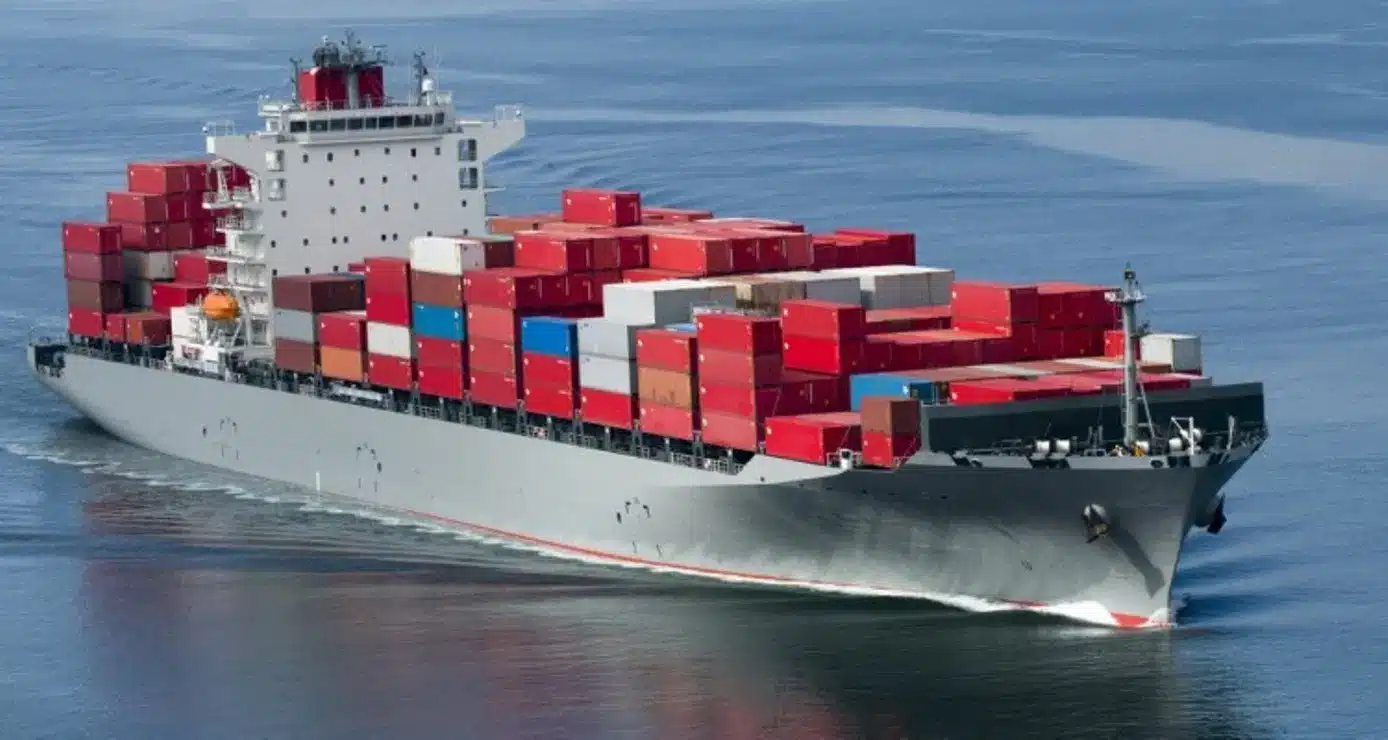
Nigeria’s trade ambitions under the African Continental Free Trade Area Agreement (AfCFTA) took a significant leap forward with its first shipment to Kenya, marking a milestone in regional commerce. The Nigeria Customs Service (NCS) facilitated this historic export, with Lucky Fibres—a subsidiary of the Tolaram Group—becoming one of the inaugural companies to utilize the AfCFTA framework for goods trade within Africa. This shipment represents more than just goods moving across borders; it underscores a unified vision for strengthening intra-African trade and reducing dependency on external markets.
The Role of Nigeria Customs Service in AfCFTA
In ensuring the successful dispatch of this first shipment, the Nigeria Customs Service has taken on a pivotal role as the Designated Competent Authority (DCA) under AfCFTA. Senior Trade Expert Olusegun Olutayo, who leads Trade Enablement at the Nigeria AfCFTA Coordination Office, explained the collaborative efforts involved. During a visit to the Apapa Area Command, Olutayo highlighted the importance of inter-African cooperation and coordination, with updates sent to the AfCFTA Secretariat in Ghana and communications with Kenya’s AfCFTA implementation committee.
“The Nigeria Customs Service has been fantastic; they are ready to facilitate trade. Once they hear there’s an issue, particularly around AfCFTA, you will see everyone supporting and facilitating it, which is the essence of true trade facilitation,” Olutayo shared.
Assistant Comptroller Olusola Salako, the releasing officer for the Lilypond Export Command at Apapa, elaborated on the NCS’s technological and strategic advancements. With a Unified Customs Management System (UCMS) in place, NCS officers are now better equipped to handle international transactions swiftly and efficiently. “Gone are the days when we experienced issues. Today, we have a UCMS, which will help us facilitate trade,” he noted. This system aligns with mandates from the World Customs Organisation, underscoring Nigeria’s commitment to international standards and to creating a seamless trade environment within Africa.
Why the AfCFTA Matters for Africa
AfCFTA, launched in January 2021, is one of the largest free trade areas globally, involving 54 out of 55 African Union (AU) member states and covering a market of more than 1.2 billion people. The AfCFTA aims to create a single market, deepen economic integration, and increase intra-African trade by eliminating tariffs on 90% of goods. This reduction in trade barriers is expected to lead to a 52.3% boost in intra-African trade by 2025, according to the United Nations Economic Commission for Africa (UNECA).
For Nigeria, Africa’s largest economy, AfCFTA is both an opportunity and a challenge. Increased market access means Nigerian companies can expand their reach within the continent, but it also presents competitive pressures as firms across Africa seek new opportunities in Nigeria. Nigeria’s decision to join AfCFTA in 2019 was significant, considering the initial reluctance due to concerns about protecting local industries. Today, however, the government and the private sector see AfCFTA as a platform to diversify exports beyond oil and develop Nigeria’s manufacturing and non-oil sectors.
Economic Implications for Nigeria and Kenya
The initial shipment from Nigeria to Kenya is just the beginning of what both governments hope will be an enduring trade relationship. In Kenya, the move to bolster intra-African trade is strategic, as the country seeks to diversify its imports and exports across the continent. In 2022, Kenya imported around $1.4 billion worth of goods from Nigeria, primarily petroleum products. Conversely, Kenya’s exports to Nigeria, which include tea, coffee, and horticultural products, totaled about $60 million, revealing a trade imbalance that could be mitigated with more diverse trade flows under AfCFTA.
Nigerian firms like Lucky Fibres are pioneering this new trade era by exporting non-oil products, which could help reduce Nigeria’s dependency on oil exports—a central aim of the AfCFTA for many African nations. Over time, as more Nigerian businesses tap into this intra-African market, the positive economic ripple effect could enhance Nigeria’s manufacturing sector, create jobs, and potentially decrease the country’s reliance on volatile oil prices.
Enhancing Trade Efficiency through Technology
A significant challenge to intra-African trade has historically been the lack of efficient customs and trade facilitation processes. For this reason, the Nigerian government and the NCS have invested in technological infrastructure, such as the Unified Customs Management System, which automates and streamlines customs processes. The system reduces delays, mitigates errors, and improves transparency in trade documentation, making it easier for companies to engage in cross-border transactions.
By aligning with the World Customs Organisation’s standards, the NCS has shown its commitment to facilitating trade, not only through improved technology but also by training its officers on best practices in trade facilitation. With dedicated officers and a streamlined customs process, Nigeria is positioning itself as a reliable trade partner within Africa.
Regional Collaboration and Capacity Building
The success of AfCFTA in Nigeria will require robust collaboration with other African countries, particularly in building institutional capacity and harmonizing trade regulations. To this end, Nigeria’s communication with AfCFTA’s Secretariat in Ghana and with Kenya’s trade implementation team reflects the importance of unity in achieving AfCFTA’s objectives. Cooperation among countries is essential for addressing challenges such as non-tariff barriers, customs delays, and discrepancies in trade standards.
For example, the AfCFTA implementation committee has identified several non-tariff barriers that need resolution, such as differing product standards and certification requirements across African countries. Addressing these challenges will enable smoother trade flows and increase the competitiveness of African businesses in the global market.
Opportunities and Challenges Ahead
While the AfCFTA presents significant opportunities, challenges remain. Many African countries lack the infrastructure needed to support large-scale trade. In Nigeria, issues such as inadequate transport networks, insufficient power supply, and logistical hurdles add costs to goods, making them less competitive. Overcoming these challenges requires sustained investment in infrastructure, capacity building, and policies that support small and medium-sized enterprises (SMEs) in entering export markets.
Another concern is the protection of local industries. AfCFTA’s elimination of tariffs could potentially harm smaller, less competitive businesses that are unable to compete with larger, more established firms from other African countries. Nigeria, in particular, is cautious about balancing open trade with protecting domestic industries—a consideration that led to the initial hesitance to join AfCFTA. Experts argue that the government will need to implement policies that allow local industries to grow without being overwhelmed by external competition.
Prospects for Intra-African Trade
Intra-African trade currently accounts for just 16% of the continent’s total trade volume, compared to 59% in Asia and 68% in Europe. AfCFTA’s goal is to significantly increase this figure by providing African businesses with easier access to neighboring markets. For Nigerian companies, this could mean access to a broader consumer base, thereby diversifying revenue streams and contributing to overall economic resilience.
Moreover, increased intra-African trade has the potential to foster job creation, reduce poverty, and contribute to the structural transformation of African economies. UNECA estimates that if implemented successfully, AfCFTA could lift 30 million people out of extreme poverty by 2035. For Nigeria, these projections signal a major opportunity to capitalize on its competitive sectors, such as agriculture, manufacturing, and digital services.
Conclusion: A New Era for African Trade
Nigeria’s first shipment to Kenya under AfCFTA is symbolic of a new era in African trade relations. It reflects a growing commitment among African nations to strengthen economic ties, reduce reliance on non-African markets, and build a self-sustaining trade network within the continent. As AfCFTA progresses, countries like Nigeria stand to benefit immensely, provided they can navigate the challenges of regional integration, improve infrastructure, and foster an environment conducive to trade.
The coming months will be critical as more African countries ramp up their AfCFTA implementation efforts. For Nigerian businesses and policymakers, this first shipment is a milestone achievement that points to the larger potential of AfCFTA: a continent connected by trade, driving economic growth, and offering vast opportunities for businesses and consumers alike. The future of Africa’s economic landscape could very well be shaped by this trade agreement, with Nigeria positioned at the forefront.
Ready to take your career to the next level? Join our dynamic courses: ACCA, HESI A2, and ATI TEAS 7! 🌟 Dive into a world of opportunities and empower yourself for success. Explore more at Serrari Ed and start your exciting journey today! ✨
photo source: Google
By: Montel Kamau
Serrari Financial Analyst
7th November, 2024