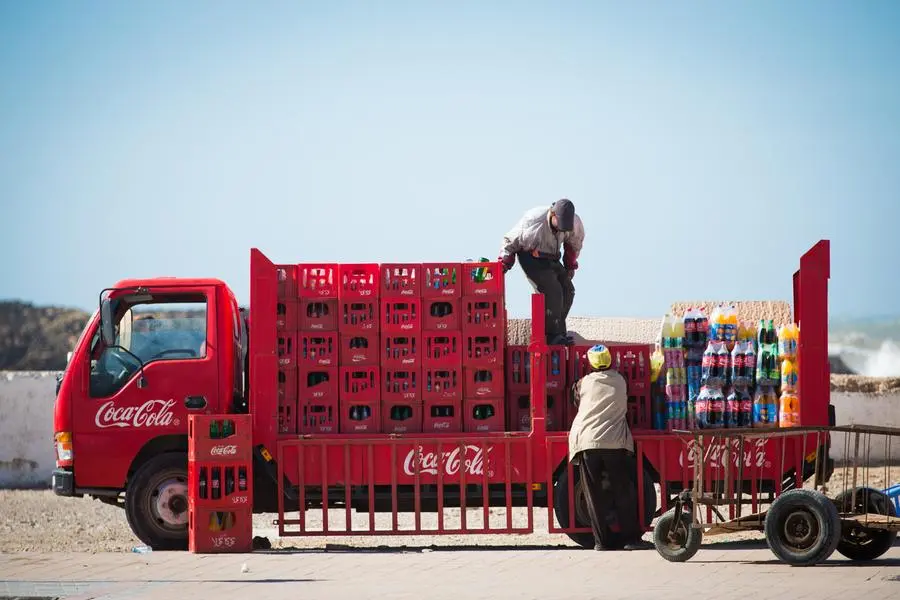
Coca-Cola Beverages Africa (CCBA) has committed a significant $50 million investment to expand its operations in Namibia by launching a state-of-the-art bottling line at its existing plant. This expansion is expected to increase production capacity by 30%, enabling the facility to produce an impressive 27,000 bottles per hour. This latest development underscores CCBA’s dedication to bolstering its presence in Africa, with Namibia serving as a focal point for regional expansion and economic growth.
This investment goes beyond production improvements. The installation of a cutting-edge water treatment plant with water recovery technology aims to significantly reduce water consumption. This initiative aligns with CCBA’s environmental goals and contributes to sustainable business practices. Alongside this, the plant’s use of artificial intelligence and automation not only advances operational efficiency but also drives local workforce development through specialized training programs designed to equip employees with future-ready skills.
Boosting Economic Impact Across the Value Chain
Pottie de Bruyn, General Manager of Coca-Cola Beverages Africa in Namibia, emphasized that the investment serves more than just output expansion. “We’ve ensured that this production line goes beyond output numbers. It’s about creating shared opportunities across the value chain,” de Bruyn explained. This expansion is expected to have ripple effects, positively impacting local businesses that supply raw materials and services. The increased demand for local suppliers is anticipated to drive job creation and strengthen the economic linkages within the Namibian economy.
In addition to raw material sourcing, the plant expansion is likely to create indirect employment opportunities in logistics, warehousing, and retail. Local businesses that supply packaging, transportation, and maintenance services stand to benefit from the increased volume of products and operational needs of the expanded facility. Coca-Cola’s decision to incorporate advanced technology in this project is part of a broader strategy to enhance operational efficiency, meet growing consumer demand, and contribute to the overall development of Namibia’s manufacturing and services sectors.
Water Sustainability and Environmental Goals
One of the defining features of this project is the installation of a water treatment plant with advanced water recovery technology, reflecting CCBA’s commitment to environmental sustainability. The system is designed to reduce water consumption significantly by recycling water used during production processes. This not only reduces the plant’s reliance on external water resources but also aligns with the Coca-Cola Company’s global commitment to return 100% of the water it uses in its finished products back to communities and nature by 2030.
Namibia, known for its arid climate and scarce water resources, will particularly benefit from Coca-Cola’s sustainable water management practices. This initiative is expected to serve as a model for other beverage production facilities in the region, highlighting the importance of water stewardship in industrial operations. The investment is aligned with Namibia’s national water conservation goals, and CCBA has stated its intent to collaborate with local stakeholders to address broader water issues, positioning itself as a proactive partner in sustainable resource management.
Advanced Technology and Workforce Training
The integration of artificial intelligence and other advanced technologies in the new bottling line reflects CCBA’s ambition to be at the forefront of the fourth industrial revolution in Africa. This includes using predictive analytics for quality control and automated systems that can adjust production parameters in real time. These advancements increase productivity and reduce downtime, allowing for faster production cycles and more consistent product quality.
To support the technology-driven changes, CCBA has introduced an extensive skills training program for employees. Sunil Gupta, CEO of CCBA, noted, “This investment is a clear demonstration of our continued belief in the future of Namibia.” Gupta highlighted that training is a crucial part of the investment, ensuring that employees are well-equipped to operate and maintain the new machinery and automation systems. By investing in human capital, CCBA is not only enhancing productivity but also contributing to Namibia’s skills development agenda. This approach ensures that the local workforce is prepared to thrive in an increasingly digitalized economy, which will likely contribute to higher standards in manufacturing across the region.
Commitment to Digital Transformation and Customer Service
CCBA’s $50 million investment also aligns with its broader strategy of becoming a “customer-centric, digitally enabled, growth-driven business.” As part of this strategy, CCBA has committed to using digital solutions to improve the efficiency of its supply chain, enhance customer engagement, and ensure quicker product delivery. By upgrading its bottling facilities in Namibia with digital capabilities, CCBA aims to provide a faster response to consumer demands while maintaining a high standard of product quality and consistency.
With this investment, Coca-Cola is positioning itself to capitalize on Namibia’s growing consumer market and the broader African demand for its products. The African beverage market has seen robust growth over recent years, driven by an expanding middle class, increased urbanization, and a shift towards more diverse beverage preferences. By increasing production capacity in Namibia, Coca-Cola is better equipped to cater to this growing demand and meet the changing preferences of African consumers.
Economic and Social Impact of the Investment
The impact of Coca-Cola’s investment extends beyond its production facility. By committing $50 million to local infrastructure, Coca-Cola supports the Namibian government’s industrialization efforts, which aim to diversify the economy and reduce dependency on imports. This investment is likely to enhance the manufacturing sector’s contribution to Namibia’s GDP, which could positively influence economic stability and growth.
The expansion also demonstrates Coca-Cola’s confidence in Namibia as a stable and conducive business environment, a sentiment echoed by Sunil Gupta. This show of confidence can potentially attract further foreign investment in the country, as Coca-Cola’s investment may encourage other multinational companies to consider Namibia as a viable base for production and distribution in Southern Africa.
Furthermore, Coca-Cola’s emphasis on workforce training supports Namibia’s national agenda for upskilling and creating sustainable employment. By training employees in digital and technical skills, Coca-Cola is helping to build a more skilled workforce, which can positively impact the labor market as a whole. These skills may open up opportunities for employees to pursue additional roles in advanced manufacturing, which can contribute to higher wages and improved standards of living.
Long-Term Vision and Corporate Responsibility
Coca-Cola Beverages Africa’s investment also includes a strong focus on corporate social responsibility (CSR). Alongside operational upgrades, Coca-Cola has announced its intent to partner with local communities on sustainability projects and social development programs. These initiatives will likely cover areas such as education, community health, and environmental conservation, all of which align with Coca-Cola’s global commitment to improving the well-being of communities in which it operates.
The introduction of water recovery technology serves as an example of Coca-Cola’s broader CSR efforts, particularly in water-stressed regions. By investing in technologies that minimize environmental impact, Coca-Cola is setting a precedent for sustainable manufacturing practices in Africa. This responsible approach to resource management is essential in regions where water scarcity is a pressing concern, and Coca-Cola’s actions may inspire other corporations to adopt similar practices.
Future Prospects and Regional Influence
Coca-Cola’s investment in Namibia reflects a broader trend of multinational corporations recognizing the potential of African markets. With Africa’s population projected to double by 2050, the demand for consumer goods, including beverages, is expected to rise significantly. Coca-Cola’s expansion positions it strategically to capitalize on this growing demand, particularly in Southern Africa, where economic integration initiatives and improved trade links are creating opportunities for cross-border distribution.
As Coca-Cola looks to the future, it has indicated that it will continue investing in technology and sustainable practices across its African operations. The company’s expansion strategy in Africa underscores its confidence in the continent’s long-term growth potential and its commitment to becoming an integral part of Africa’s economic landscape. By investing in Namibia, Coca-Cola is not only increasing its production capabilities but also reinforcing its role as a key player in Africa’s economic transformation.
In conclusion, Coca-Cola Beverages Africa’s $50 million investment in Namibia represents a significant step in the company’s African growth strategy, bringing technological advancements, economic opportunities, and a commitment to sustainability to the forefront. This initiative is expected to boost production, foster economic growth, and contribute to Namibia’s broader development goals. As Coca-Cola continues to focus on Africa, it exemplifies the positive role that multinational corporations can play in driving economic and social progress across the continent.
Ready to take your career to the next level? Join our dynamic courses: ACCA, HESI A2, and ATI TEAS 7! 🌟 Dive into a world of opportunities and empower yourself for success. Explore more at Serrari Ed and start your exciting journey today! ✨
Photo source: Google
By: Montel Kamau
Serrari Financial Analyst
7th November, 2024