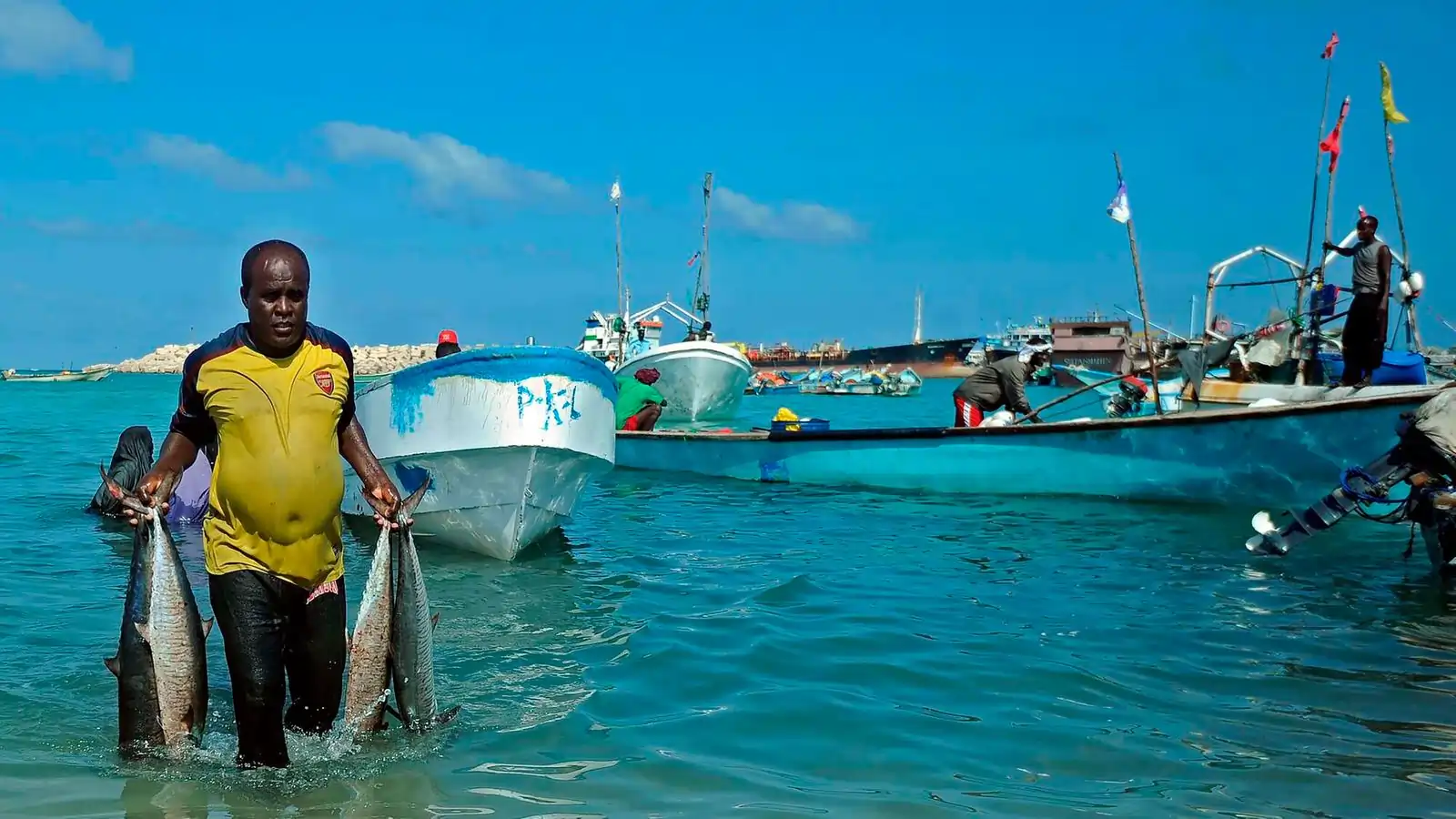
Somalia is poised to leverage its extensive maritime resources through an ambitious new fisheries policy aimed at transforming the nation’s economy. As it strengthens its ties within the East African Community (EAC), to which it became a member in 2024, the government is keen to capitalize on the sector’s $2 billion annual potential, while addressing long-standing challenges like illegal fishing and inadequate infrastructure. Somalia’s strategic coastline, stretching over 3,333 kilometers along the Indian Ocean, boasts one of the richest fisheries zones in the world, providing untapped opportunities for both domestic growth and international trade.
Somalia’s Vast Fisheries Potential and Regional Integration
The Somali fisheries sector holds the promise of significant economic returns, as the country sits on the cusp of a marine resource boom. With an Exclusive Economic Zone (EEZ) that covers an area 131% the size of the country’s landmass, Somalia has the capacity to generate at least $2 billion annually from its fisheries, according to experts like Dr. Abdiaziz Hussein Hassan of Somali National University. The EEZ includes some of the world’s richest tuna reserves, with the Indian Ocean’s tuna upwelling system recognized as a hotspot for artisanal and deep-sea fishing activities.
The Somali government is looking to the EAC as its first point of entry into regional markets, where the demand for seafood is steadily rising. East Africa, home to over 300 million people, presents a substantial consumer base. As income levels rise and dietary preferences shift toward healthier foods, the market for fish products continues to expand. Somali fisheries, once overlooked due to years of conflict and instability, could now cater to this growing demand by establishing trade partnerships with EAC nations like Kenya, Uganda, and Tanzania.
World Bank-Funded Badmaal Initiative: Infrastructure and Capacity Building
A cornerstone of Somalia’s fisheries development plan is the Badmaal Project, a World Bank-funded initiative worth $50 million. Launched in October 2024, Badmaal aims to enhance fishing infrastructure for small-scale fishers, including building jetties, landing bays, and fish processing centers. Additionally, the project will invest in cold storage and transportation networks to ensure that fish products can be efficiently moved from coastal areas to domestic and regional markets.
According to Ahmed Hassan Aden, Somalia’s Minister for Fisheries and Blue Economy, Badmaal represents the first step toward empowering coastal communities, promoting sustainable fishing practices, and protecting Somalia’s rich marine ecosystem. By providing small-scale fishers with the tools and infrastructure they need to increase productivity, the government aims to foster a thriving fishing industry that can compete on both regional and global scales.
Combatting Illegal, Unreported, and Unregulated (IUU) Fishing
Somalia’s coastal waters have long been plagued by illegal, unreported, and unregulated (IUU) fishing, which has drained the country’s natural resources and deprived local fishers of vital income. To tackle this issue, Somalia has ramped up maritime patrols and surveillance, with the support of international partners such as the European Union’s Operation Atalanta, which combats piracy and illegal fishing in the region.
In addition to enhancing policing efforts, Somalia has reformed its fisheries licensing system. The government has shifted from issuing blanket, time-bound fishing licenses to foreign vessels to a more regulated system where licenses are pegged to the amount of catch rather than the duration of fishing. This approach not only ensures that foreign vessels adhere to sustainable fishing quotas but also increases transparency and accountability in the licensing process.
Somalia’s decision to limit foreign fishing activity aligns with global trends in marine conservation. Countries such as Mauritania and Morocco, which also benefit from rich marine resources, have implemented strict regulations that allow them to earn significant revenues from their fisheries sectors—$850 million and $1.8 billion annually, respectively. By adopting similar practices, Somalia aims to optimize its fisheries management and boost national revenue.
Lamu Port and Expanded Export Opportunities
Somalia’s geographic position offers significant trade advantages, particularly with its proximity to Lamu Port in northern Kenya. The port, which became operational in 2021, is part of the broader Lamu Port-South Sudan-Ethiopia Transport (LAPSSET) Corridor, a key infrastructure project that seeks to enhance regional connectivity. By utilizing Lamu Port, Somalia can streamline its fish exports to international markets, taking advantage of the port’s modern facilities and strategic location along major shipping lanes.
The Somali government has already established connections with Lamu, with experts like Dr. Stephen Mbithi, a fisheries consultant from Kenya, leading delegations to explore export opportunities. As Somalia’s fisheries sector grows, Lamu Port is expected to play a pivotal role in facilitating trade with key markets in the Middle East, Asia, and Europe.
Sustainability and Environmental Considerations
Somalia’s fisheries policy also emphasizes environmental sustainability and the need to protect marine ecosystems from overfishing and pollution. Pollution, particularly from plastic waste and oil spills, has been a growing concern in Somalia’s coastal areas, threatening both marine life and the livelihoods of coastal communities. The Badmaal Project includes provisions to address pollution and ensure that fishing activities are conducted in a manner that preserves the long-term health of the ocean.
To support these efforts, Somalia is seeking partnerships with international environmental organizations and donors to implement marine conservation programs. By integrating conservation efforts with economic development, Somalia aims to create a blue economy that benefits both the environment and the people who depend on it.
Challenges and the Road Ahead
Despite the potential of Somalia’s fisheries sector, significant challenges remain. Years of civil conflict and instability have left the country with limited infrastructure, weak governance, and inadequate resources for law enforcement. While the Badmaal Project is a positive step toward addressing these issues, more investment is needed to build the necessary infrastructure and institutional capacity for sustainable fisheries management.
Moreover, the Somali government must continue to navigate complex geopolitical dynamics, particularly with regard to foreign fishing interests. Somalia has previously signed agreements with countries like China, granting fishing licenses to foreign vessels in exchange for fees. In 2018, for example, the Chinese Offshore Fishing Association signed a memorandum of understanding (MoU) with Somalia, allowing 31 Chinese tuna longline vessels to operate within Somalia’s EEZ. While such agreements provide short-term financial benefits, they have raised concerns about overfishing and the depletion of marine resources.
In March 2019, the World Bank issued a report highlighting the need for Somalia to improve its fisheries licensing regime and increase transparency to prevent exploitation by foreign fishing companies. The report stressed that better governance and oversight of the fisheries sector would help Somalia realize its full economic potential while safeguarding its marine environment.
Conclusion: A Promising Future for Somalia’s Blue Economy
As Somalia implements its new fisheries policy, the country stands at a critical juncture in its economic development. With the right investments in infrastructure, governance, and sustainability, Somalia has the opportunity to transform its fisheries sector into a major contributor to national and regional prosperity. By tapping into the $2 billion fisheries economy, Somalia can create jobs, generate revenue, and improve food security for its population.
The government’s focus on regional integration through the EAC, coupled with its efforts to curb illegal fishing and invest in coastal infrastructure, positions Somalia to become a key player in the global seafood market. As it navigates the challenges ahead, Somalia’s blue economy holds the promise of a brighter future for the country and its people.
Ready to take your career to the next level? Join our dynamic courses: ACCA, HESI A2, and ATI TEAS 7! 🌟 Dive into a world of opportunities and empower yourself for success. Explore more at Serrari Ed and start your exciting journey today! ✨
Photo source: Google
By: Montel Kamau
Serrari Financial Analyst
24th October, 2024