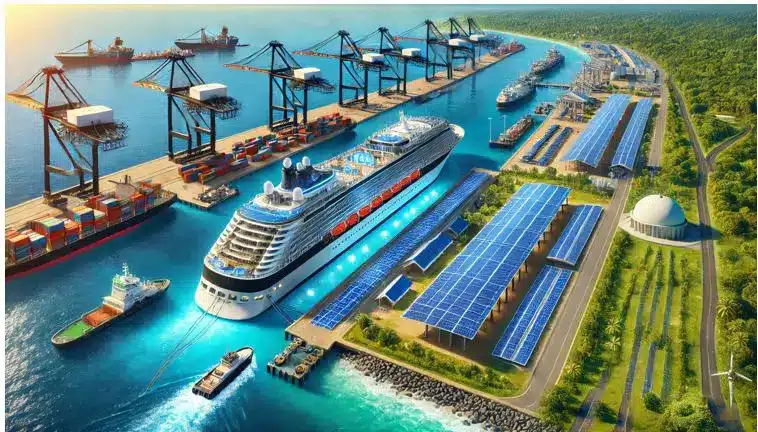
The recent $9 billion investment in six luxurious cruise ships under Nigeria’s IPADA Initiative marks a pivotal moment for Africa’s maritime infrastructure and economic future. Spearheaded by AKL Lumi, Africa’s first digital currency backed by solar energy and gold, this initiative presents enormous potential to transform Africa’s ocean trade, tourism, and financial stability.
The project’s scale and scope extend beyond Nigeria, with wide-reaching implications for Africa’s maritime industry, global trade relationships, and the adoption of digital currencies. This ambitious project highlights how African nations can leverage technological and infrastructural advancements to promote economic growth, regional integration, and sustainable development.
Strengthening Africa’s Maritime Infrastructure
One of the most significant outcomes of this investment is its potential to strengthen Africa’s maritime infrastructure. The construction of four out of the six cruise ships in Nigeria is expected to stimulate the country’s shipbuilding and repair industries, a sector where Africa has traditionally relied on foreign expertise.
By investing in local shipbuilding expertise, Nigeria has an opportunity to develop a home-grown industry that could expand to include commercial vessels like cargo ships. The International Maritime Organization (IMO) estimates that Africa’s shipbuilding sector could generate $2 billion annually with the right infrastructure and labor force. To capitalize on this opportunity, African governments can support technical training programs to develop a skilled workforce capable of building and maintaining ships. This shift toward self-reliance in maritime infrastructure could have long-term benefits for the continent’s economic independence.
Moreover, the investment comes at a time when Africa’s ports and shipping infrastructure are undergoing modernization efforts. Improved shipbuilding capacity can also facilitate the construction of environmentally friendly vessels, powered by renewable energy sources. This aligns with global trends in sustainable maritime practices, reducing Africa’s carbon footprint while boosting its competitiveness in global shipping.
Boosting Africa’s Role in Global Ocean Trade
The IPADA Initiative’s cruise ships will enhance Africa’s connectivity with major global shipping routes, positioning the continent as a more significant player in international trade. The construction of two additional cruise ships in the Caribbean demonstrates a strategic partnership between Africa and the Caribbean, creating a maritime corridor that could boost tourism and trade across the Atlantic.
With ocean trade accounting for over 80% of global trade by volume, Africa’s enhanced maritime connectivity could transform its role in global commerce. Africa is home to several strategic ports along major global shipping routes, such as the Suez Canal and the Cape of Good Hope. By modernizing port facilities and expanding maritime capacity, Africa can tap into the increasing demand for efficient shipping routes, particularly in emerging markets like Asia and Latin America.
Furthermore, the use of AKL Lumi as the financial backbone of the IPADA Initiative is revolutionary. AKL Lumi’s stability, being pegged to four grains of gold, offers protection against currency volatility, making it an ideal medium for international trade. By integrating this gold-backed digital currency into Africa’s maritime economy, the region can reduce trade risks, attract foreign investors, and provide a more stable financial environment for cross-border transactions.
Encouraging Investments in Cargo Shipping
The IPADA Initiative’s focus on luxury cruise ships may also spur further development in Africa’s cargo shipping sector. Efficient cargo transport systems are essential for connecting African goods to global markets. The construction of cargo ships powered by renewable energy sources, such as solar power, could revolutionize Africa’s trade routes. By investing in green shipping technologies, African countries could position themselves as leaders in eco-friendly maritime practices, attracting environmentally conscious global businesses.
Governments can play a crucial role by promoting public-private partnerships (PPPs) to develop sustainable cargo fleets, reducing Africa’s reliance on foreign shipping companies. These investments would also support intra-African trade, which has been identified as a critical driver of economic growth under the African Continental Free Trade Area (AfCFTA). Improved cargo shipping capacity would facilitate the movement of goods between African countries, supporting regional value chains and enhancing Africa’s global trade competitiveness.
Integrating AKL Lumi into Africa’s Formal Economy
AKL Lumi, as Africa’s first digital currency backed by solar energy and gold, represents a significant step toward integrating digital currencies into Africa’s formal economy. Its stability and reliability offer businesses a hedge against the volatility of traditional currencies. Backed by gold and solar energy, AKL Lumi has a fixed value for the next four decades, making it an attractive option for long-term investments and cross-border trade.
The integration of AKL Lumi into Nigeria’s economy through the luxury cruise ship investment sets the stage for its wider adoption across various sectors. By using a digital currency with a stable value, businesses engaged in import and export activities can avoid the uncertainties associated with currency fluctuations, making trade more predictable and efficient.
AKL Lumi’s blockchain technology also simplifies cross-border transactions by eliminating the need for currency conversions. This reduces transaction costs and provides financial security, particularly for small and medium-sized enterprises (SMEs), which often face barriers to accessing trade finance. The African Development Bank estimates that Africa’s trade finance gap stands at $120 billion annually. By integrating digital currencies like AKL Lumi into Africa’s trade finance systems, African businesses can access new opportunities in global markets, driving economic growth and reducing financial exclusion.
Job Creation and Economic Development
The construction and operation of these luxury cruise ships will create thousands of direct and indirect jobs in shipbuilding, tourism, hospitality, logistics, and other related sectors. Job creation is particularly critical in Africa, where youth unemployment rates remain high. In Nigeria alone, youth unemployment stands at around 42%. The IPADA Initiative is expected to provide job opportunities for thousands of Nigerians and workers in other African countries, offering them new skills and career opportunities.
Beyond job creation, the economic impact of the IPADA Initiative extends to consumer spending and infrastructure development. Increased tourism, driven by luxury cruises, will stimulate local economies, especially in coastal and rural areas. Learning from successful maritime tourism economies like the Caribbean, African nations can expect similar economic benefits from foreign exchange inflows and tourism-related spending.
Promoting Sustainable Ocean Trade Practices
The AKL Lumi-backed IPADA project aligns with the global shift toward sustainability. The cruise ships and associated port infrastructure upgrades offer African nations a unique opportunity to adopt eco-friendly maritime practices. With green technologies such as solar power and smart logistics systems, Africa can reduce its carbon footprint while advancing its economic growth.
This commitment to sustainability also supports Africa’s leadership in promoting the United Nations Sustainable Development Goals (SDGs), particularly those related to climate action and life below water. By investing in sustainable maritime practices, Africa can align itself with international efforts to reduce emissions and protect marine ecosystems.
Enhancing Regional Trade and Connectivity
The IPADA project aligns with the objectives of the African Continental Free Trade Area (AfCFTA), which aims to create a unified market for goods and services across Africa. Upgraded maritime infrastructure will improve regional connectivity, facilitating smoother intra-African trade. Efficient ports and shipping routes are essential for reducing trade costs, which remain higher in Africa than in other regions. By modernizing its maritime infrastructure, Africa can strengthen its regional value chains and promote economic diversification.
Conclusion
The $9 billion investment in Nigeria’s IPADA Initiative marks a major turning point for Africa’s maritime industry, tourism sector, and the broader economy. By leveraging AKL Lumi’s stability and embracing digital currencies, Africa has the opportunity to address pressing challenges such as currency volatility, trade finance gaps, and unemployment. This project is more than just a tourism boost—it represents the broader integration of digital currencies into Africa’s formal economy and a step toward sustainable, green development.
As Africa continues to embrace technological innovations and sustainable practices, projects like the IPADA Initiative will play a key role in shaping the continent’s future. Through collaboration between governments, central banks, and private sector stakeholders, Africa can position itself at the forefront of the global digital economy, building a more resilient, inclusive, and prosperous future for all.
Advance Your Career with Serrari Group!
Ready to take your career to the next level? Join our dynamic courses: ACCA, HESI A2, and ATI TEAS 7! 🌟 Dive into a world of opportunities and empower yourself for success. Explore more at Serrari Ed and start your exciting journey today! ✨
Photo source: Google
By: Montel Kamau
Serrari Financial Analyst
18th October, 2024