

Kenya is currently in advanced discussions with the United Arab Emirates (UAE) to secure a $1.5 billion commercial loan, with an interest rate of 8.25% and a repayment period of seven years. This loan, according to Finance Minister John Mbadi, offers more favorable terms compared to previous financing methods, such as Eurobonds. The move comes as the East African nation looks to diversify its funding sources amid rising fiscal challenges and delayed disbursements from international lenders like the International Monetary Fund (IMF).
Kenya’s Economic Context and Need for the Loan
Kenya’s economy has faced significant hurdles over the past few years, exacerbated by global economic disruptions and domestic policy challenges. The country has been battling high public debt, persistent fiscal deficits, and inflationary pressures. These challenges have been compounded by protests against tax hikes earlier this year, which forced the government to reconsider its fiscal strategy. One of the main reasons for the ongoing discussions with the UAE is the need to secure alternative sources of financing after the IMF delayed the release of a crucial loan tranche due to concerns about the country’s fiscal health.
Minister Mbadi emphasized that the loan from the UAE is a strategic move to manage Kenya’s external financing needs at a lower cost than previously available options. “This loan is cheaper than the Eurobond we borrowed at 10.7%,” Mbadi said during a press briefing, referring to a $1.5 billion Eurobond Kenya issued in February 2024 to buy back part of a maturing $2 billion Eurobond. By securing a lower interest rate, the government hopes to reduce its borrowing costs, which are becoming increasingly unsustainable.
IMF Concerns and Potential Risks
The IMF has raised concerns regarding Kenya’s move to secure external financing, especially a loan denominated in U.S. dollars, which could expose the country to additional currency risks. With the Kenyan shilling having depreciated by over 10% against the dollar over the past year, the IMF’s worries are not unfounded. External debt denominated in foreign currencies could place further pressure on the country’s already weakening exchange rate and lead to higher repayment costs in local currency terms.
Kenya’s public debt burden has steadily increased, with debt reaching over 70% of the country’s GDP by mid-2024. As a result, the IMF has been closely monitoring Kenya’s fiscal policies and debt management strategy. Despite this, Mbadi maintained that the UAE loan was a better option than the alternatives, including issuing more Eurobonds, which come with higher interest rates and less favorable terms. “Those are issues that we are discussing. We haven’t firmed them up. We are looking for the transaction adviser on the same,” he added, indicating that talks are still ongoing and subject to further consultations with stakeholders, including the IMF.
Kenya’s Debt Strategy and Economic Outlook
The government has set a foreign borrowing target of 168 billion Kenyan shillings (approximately $1.31 billion) for the current financial year. Should the loan from the UAE materialize, it would bring in an equivalent of 195 billion Kenyan shillings, surpassing the original target and helping reduce reliance on domestic borrowing. Local borrowing has been a point of contention in Kenya, as it often leads to higher interest rates that stifle private sector growth.
President William Ruto’s administration, which came into power in September 2022, has prioritized lowering the cost of borrowing to support businesses and foster economic growth. Last week, policymakers cut the central bank’s benchmark lending rate by 75 basis points to 12%, marking an effort to ease the cost of credit. However, Mbadi highlighted that the rate remains high, noting, “it should be at 10% or lower.” Lower interest rates are critical for stimulating private sector investment and accelerating economic recovery.
Kenya’s debt sustainability remains a critical issue. The country has continued to borrow heavily to fund infrastructure projects, repay maturing debt, and cover fiscal deficits. While Kenya has traditionally relied on Eurobonds and concessional loans from international financial institutions like the IMF and the World Bank, the government is increasingly looking to diversify its funding sources to include bilateral agreements such as this one with the UAE.
Strengthening Kenya-UAE Relations
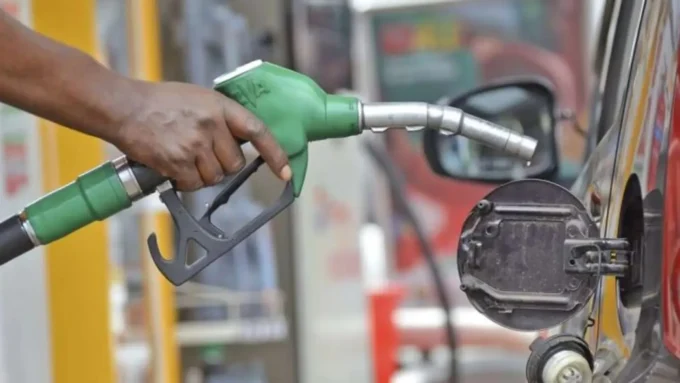
Under President Ruto, Kenya has moved to strengthen its ties with the UAE, a critical player in global trade and finance. The UAE is not only a leading supplier of oil to Kenya but also a significant investor in various sectors across East Africa. Last year, the UAE’s Abu Dhabi National Oil Company (ADNOC) and Emirates National Oil Company (ENOC) were selected by the Kenyan government to supply oil to Kenya on longer credit terms, in a bid to reduce pressure on the country’s foreign exchange reserves.
This deal marked a departure from the open tender system that Kenya had previously used for oil imports, highlighting the growing importance of Kenya’s relationship with the UAE. By securing favorable terms on oil imports, Kenya hopes to stabilize fuel prices and reduce inflationary pressures in the domestic economy.
Regional Examples of UAE Financial Support
Kenya is not the only African country that has sought financial support from the UAE in recent years. In 2018, the UAE provided Ethiopia with $1 billion to alleviate a severe shortage of foreign currency reserves, helping to stabilize its economy. Similarly, in July 2024, the UAE and Ethiopia announced a $817 million swap line agreement between their central banks, further deepening financial ties. This trend suggests that the UAE is positioning itself as a key financial partner for African nations in need of economic support.
In North Africa, the UAE has also been active in boosting economic development. In early 2024, the UAE signed a landmark agreement with Egypt to develop a prime stretch of the Mediterranean coast. This project is expected to bring in $35 billion in investments, further underscoring the UAE’s role as a major investor in African economies.
Conclusion: Opportunities and Challenges
For Kenya, securing a commercial loan from the UAE could provide much-needed relief in the short term as the government works to stabilize the economy and address fiscal challenges. The loan’s relatively lower interest rate compared to Eurobonds offers a more affordable means of financing. Additionally, the close relationship between Kenya and the UAE, particularly in the energy sector, presents opportunities for further collaboration that could benefit Kenya’s long-term economic goals.
However, the risks associated with external borrowing, especially in foreign currencies, should not be overlooked. Kenya’s increasing reliance on external debt, coupled with a depreciating currency, presents challenges that the government must manage carefully. Additionally, the ongoing discussions with the IMF highlight the complexities of balancing the need for financing with prudent debt management.
In the coming months, the outcome of these negotiations will be critical in shaping Kenya’s economic trajectory. Should the loan be finalized, it could provide a temporary reprieve from fiscal pressures, but it also underscores the need for comprehensive reforms to address the structural challenges facing the Kenyan economy. For now, Kenya continues to navigate a delicate balancing act between securing short-term financing and ensuring long-term economic stability.
Ignite Your Future with Serrari Group! 🚀
Ready to take your career to the next level? Join our dynamic courses: ACCA, HESI A2, and ATI TEAS 7! 🌟 Dive into a world of opportunities and empower yourself for success. Explore more at Serrari Ed and start your exciting journey today! ✨
Photo source: Google
By: Montel Kamau
Serrari Financial Analyst
17th October, 2024