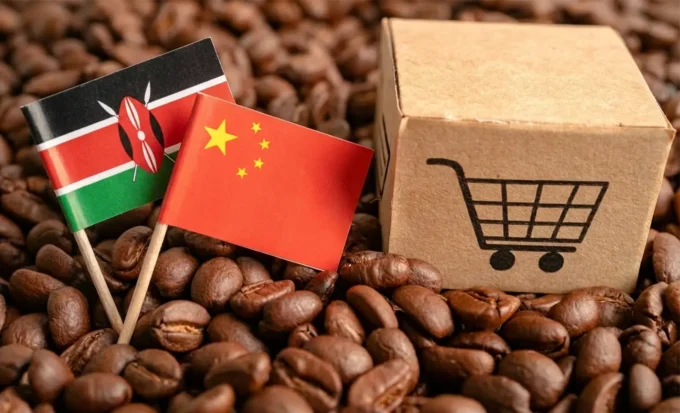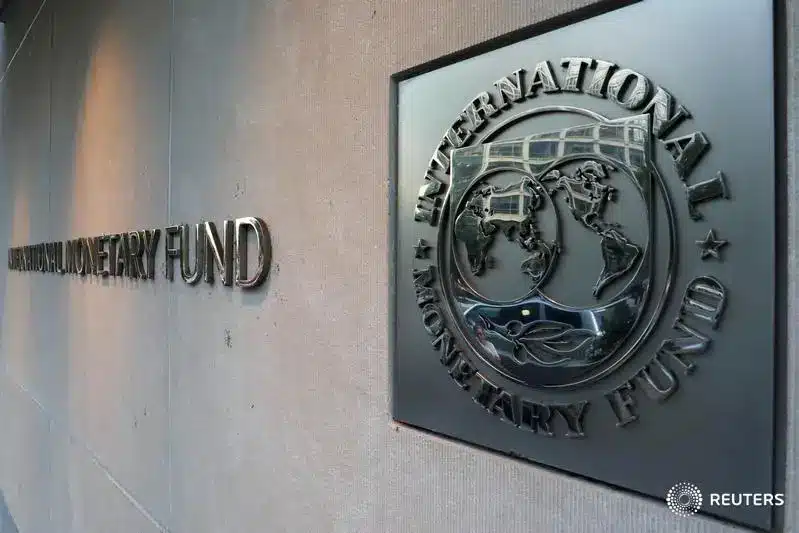
Kenya is taking significant steps toward addressing corruption and governance issues by requesting a formal assessment from the International Monetary Fund (IMF). This move follows pressure from Western countries and aligns with the Kenyan government’s ongoing efforts to manage its rising debt and economic instability. The IMF has confirmed the request for a governance diagnostic, which is designed to evaluate corruption vulnerabilities and governance challenges, particularly regarding their impact on public revenue, state finances, and economic growth.
Kenya’s debt burden has reached alarming levels in recent years, exacerbating economic challenges that have drawn both domestic and international concern. The government’s decision earlier this year to roll back proposed tax hikes, which led to widespread protests, has further complicated its ability to access much-needed financial support, including a $600 million disbursement from the IMF. These factors have placed immense pressure on President William Ruto’s administration to find alternative strategies to stabilize the nation’s finances.
The Governance Diagnostic
The IMF’s governance diagnostic, which is only initiated upon a country’s request, is a comprehensive tool that examines whether corruption and governance shortcomings are undermining economic performance. In Kenya’s case, this assessment is a critical step toward identifying areas where revenue might be leaking due to mismanagement or fraud, which has been a persistent problem for the country.
According to an IMF spokesperson, “The government of Kenya aims to strengthen its governance and anti-corruption policies. They intend to utilize these diagnostics to enhance public spending efficiency, boost competitiveness, foster growth, and reduce poverty in an inclusive manner.” This aligns with the government’s broader agenda of ensuring efficient utilization of resources while trying to rebuild the country’s reputation on the global stage.
Though the governance diagnostic is not directly tied to the disbursement of the $600 million IMF loan, it is widely viewed as a positive gesture. One insider familiar with the situation remarked that conducting this assessment could showcase the government’s commitment to addressing long-standing financial and governance issues, ultimately improving Kenya’s chances of receiving further international support.
Kenya’s Debt Crisis and Economic Struggles
Kenya’s debt levels have soared over the last decade, with the government borrowing heavily to fund large-scale infrastructure projects and social programs. However, these investments have not yielded the anticipated economic returns, and the country’s debt-to-GDP ratio has risen to precarious levels. Currently, public debt stands at over 70% of the GDP, prompting concerns about the government’s ability to service this debt without severely curtailing essential services or further taxing an already burdened population.
Kenya’s mounting debt was one of the primary reasons the government introduced a package of tax increases earlier this year, which included raising value-added tax (VAT) on essential goods and services. However, these measures were met with fierce opposition, sparking protests in June 2024. Demonstrators argued that the tax hikes disproportionately affected the country’s lower-income and working-class citizens, many of whom were already struggling with the high cost of living. The protests escalated into violence in some areas, prompting the government to rescind its proposed tax increases and seek alternative solutions.
The rollback of the tax hikes, while easing social unrest, has put Kenya’s fiscal health in jeopardy. The planned tax increases were expected to generate $2.7 billion in additional revenue, which would have played a critical role in reducing the budget deficit and stabilizing the economy. Without this revenue, the government’s ability to meet its debt obligations and fund necessary public services has become even more uncertain.
Corruption as a Persistent Problem
Kenya’s economic woes are compounded by deeply entrenched corruption within its public institutions. According to Transparency International’s Corruption Perception Index, Kenya consistently ranks among the most corrupt countries globally. Corruption scandals have plagued successive governments, with billions of dollars reportedly siphoned off through fraudulent procurement deals, misappropriation of public funds, and other illegal activities.
The Ruto administration has faced its own challenges in tackling corruption. Although the president campaigned on an anti-corruption platform, promising to root out waste and improve governance, critics argue that little has changed. In fact, the decision to roll back the tax hikes amid violent protests was seen by some as a capitulation to public frustration over widespread corruption and perceived government ineffectiveness.
Despite these challenges, the IMF governance diagnostic offers a pathway for the Kenyan government to demonstrate its commitment to reform. By embracing this evaluation, Kenya could gain valuable insights into how its financial management systems can be reformed to curb corruption, improve transparency, and promote better governance practices.
The IMF’s Role in Kenya’s Economic Recovery
The IMF has played a significant role in Kenya’s recent economic management efforts. In 2021, the IMF approved a $2.34 billion Extended Credit Facility (ECF) and Extended Fund Facility (EFF) arrangement for Kenya to address fiscal challenges caused by the COVID-19 pandemic. These funds were intended to help the country stabilize its economy, improve debt management, and promote long-term economic growth.
However, as Kenya’s fiscal crisis deepened, the disbursement of subsequent tranches of IMF funding has become increasingly contingent on the government’s ability to implement reforms. The governance diagnostic is seen as an essential step in unlocking further support from the IMF, as it demonstrates Kenya’s willingness to tackle the root causes of its economic problems.
The IMF has also emphasized that improving governance and curbing corruption are critical to Kenya’s long-term economic health. By addressing these issues, Kenya can create a more conducive environment for investment, enhance the efficiency of public spending, and foster inclusive growth. These reforms are also vital to reducing poverty, which remains a significant challenge in the country, particularly in rural areas.
The Western Push for Transparency
Western nations, particularly the United States and the European Union, have been vocal advocates for greater transparency and anti-corruption measures in Kenya. These countries have significant investments in Kenya and view corruption as a major impediment to the country’s economic development.
In recent years, Western governments have ramped up pressure on Kenya to improve its governance and transparency standards, particularly in the wake of numerous high-profile corruption scandals. The IMF’s governance diagnostic is seen as part of this broader effort to hold the Kenyan government accountable and ensure that international financial assistance is being used effectively.
In addition to financial support from the IMF, Kenya also relies heavily on foreign direct investment (FDI) from Western countries. Corruption and governance challenges have deterred many potential investors, who are wary of doing business in a country where bribery and bureaucratic inefficiencies are rampant. By addressing these issues, Kenya could attract more investment, particularly in key sectors such as infrastructure, technology, and manufacturing.
The Road Ahead for Kenya
Kenya’s request for an IMF governance diagnostic marks a significant step in its efforts to rebuild its economy and restore international confidence. However, the road ahead remains challenging. The country’s high debt levels, coupled with the lingering effects of the COVID-19 pandemic, have left the economy in a precarious state.
The Ruto administration must now balance the need for fiscal discipline with the demands of a population that is increasingly frustrated with the government’s inability to deliver on its promises. Implementing the recommendations from the IMF governance diagnostic will require strong political will and a commitment to transparency and accountability.
In the short term, Kenya will need to find alternative sources of revenue to replace the $2.7 billion in tax increases that were scrapped earlier this year. This may involve revisiting unpopular austerity measures, such as cutting public spending or increasing other taxes. At the same time, the government must work to create an environment that fosters economic growth and job creation, particularly for the millions of Kenyans who remain unemployed or underemployed.
Ultimately, Kenya’s economic recovery will depend on its ability to address the root causes of its fiscal crisis, including corruption and poor governance. The IMF governance diagnostic provides a valuable opportunity for the country to chart a new course and build a more sustainable and inclusive economy for the future.
photo source: Google
By: Montel Kamau
Serrari Financial Analyst
7th October, 2024